
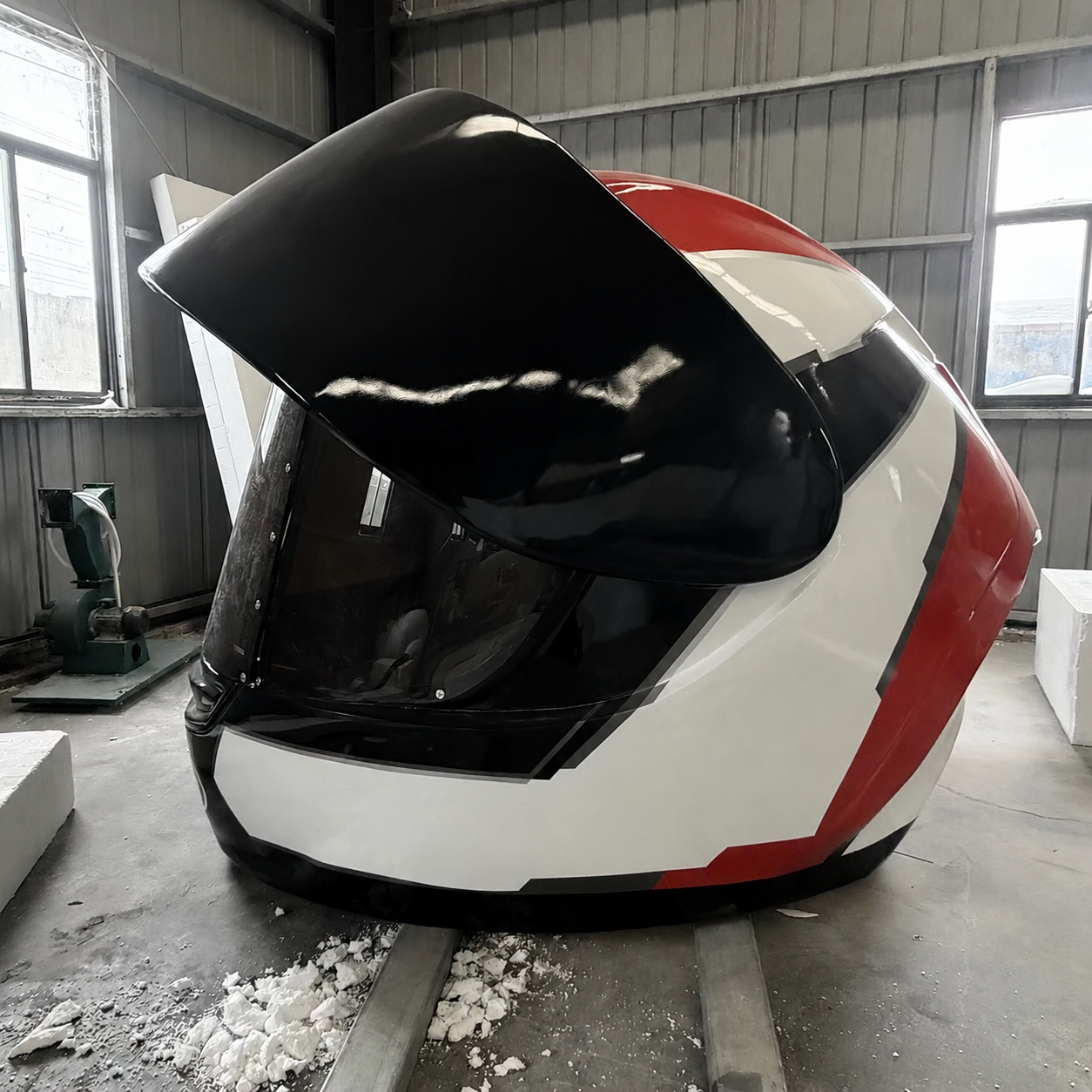
In a sprawling industrial workshop in China, a massive resin motorcycle helmet sculpture commands the floor. Standing nearly two meters tall with a glossy black visor, bold red racing stripes, and crisp white panels, it is unmistakably a motorcycle helmet — yet unmistakably a work of art. This piece, produced by Xinyesheng, is more than a display prop or brand mascot. It is a testament to what modern resin sculpture can achieve: faithful material reproduction, dramatic scale, and the kind of visual impact that stops people in their tracks. Behind it lies a meticulous process, a specialized craft, and a company that has spent over a decade perfecting both.
Content
Resin sculpture refers to three-dimensional artworks and decorative objects fabricated primarily from synthetic resins — most commonly polyester resin, fiberglass-reinforced resin (FRP), or polyurethane. These materials offer an extraordinary combination of properties that make them ideal for large-scale, detail-rich, and weather-resistant sculpture applications.
Unlike stone or metal, resin can be molded into virtually any shape. It accepts surface finishes that mimic chrome, matte rubber, gloss paint, metallic sheen, and even skin texture. For commercial installations — brand sculptures, trade show props, theme park elements, retail displays, and architectural decoration — resin has become the material of choice precisely because it bridges the gap between artistic quality and industrial reproducibility.
Key advantages of resin as a sculpture medium include:
The helmet sculpture photographed in Xinyesheng's factory demonstrates these traits: its glossy black top coat, the sharp contrast of racing red side panels, and the translucent dark visor all reflect careful layering of paint and resin finishing — a process that combines industrial technique with hand-applied artistry.
The production of a large resin sculpture like the helmet piece begins long before any liquid resin is poured. The process involves multiple disciplined phases, each requiring its own expertise.
The process typically starts with 3D modeling software. Designers take reference geometry — in this case, a real motorcycle helmet — and scale it up to the desired dimensions. Proportions must be carefully adjusted because what looks natural at 30 centimeters can appear distorted at two meters. Xinyesheng's design team, drawing on over a decade of sculpture experience, handles this critical phase with precision to ensure the final piece looks intentional and proportionate from every angle.
The rough form is typically carved from expanded polystyrene (EPS) foam using CNC routing machines or hand carving. The white foam debris visible on the workshop floor in the production photos is a clear indicator of this stage — foam carving leaves characteristic crumbling residue. A steel armature or internal frame is often integrated to provide structural rigidity, especially for large freestanding pieces.
Once the foam core is shaped, fiberglass cloth is layered over the surface along with polyester or epoxy resin. This FRP (fiberglass-reinforced plastic) shell creates a hard, durable exterior around the foam core. Multiple passes are applied to build up wall thickness and structural strength. The helmet's complex curved geometry — the visor cutout, the chin guard, the aerodynamic ridgeline — requires skilled hand-lamination to achieve smooth, uniform coverage.
After the resin shell cures, surface preparation begins: filling pinholes, sanding, applying putty, and progressive sanding through finer grits until the surface is completely smooth. This phase is often the most labor-intensive and determines whether the final piece looks premium or merely adequate. The helmet's mirror-gloss black sections required extensive preparation to achieve that reflective quality visible in the factory images.
Automotive-grade paints and clear coats are typically used for high-gloss resin sculptures. Masking, stenciling, and airbrush work allow for the precise color boundaries seen in the helmet — the clean line where white meets red, the defined racing stripe geometry, and the subtle shading at panel edges. A final protective clear coat seals the piece and provides UV resistance for long-term display.
Xinyesheng is not a generalist manufacturer that occasionally produces art pieces. With a registered capital of 10 million RMB and cooperative factory facilities spanning over 8,000 square meters, the company is structured specifically for sculpture production at scale. Their R&D team brings more than ten years of specialized sculpture expertise to every project, while an in-house design team drives ongoing artistic development and innovation.
What distinguishes Xinyesheng in a competitive market is their vertically integrated service model. Rather than outsourcing phases of production to different vendors, the company handles the complete workflow under one roof:
| Service Phase | What It Covers |
| Design | Concept development, 3D modeling, client revisions |
| Production | Foam carving, FRP layering, mold fabrication |
| Processing | Surface finishing, painting, detailing |
| Logistics | Crating, shipping coordination, customs documentation |
| Installation | On-site assembly and positioning support |
| After-Sales | Maintenance guidance, repair consultation, warranty support |
This integrated approach eliminates the communication gaps that frequently cause quality loss when different vendors handle different phases. A design detail specified in week one arrives intact in the finished piece — a reliability that clients ordering custom resin sculptures for high-visibility installations cannot afford to leave to chance.
While this particular helmet sculpture showcases Xinyesheng's resin capabilities, the company's portfolio extends across a broad range of sculptural materials. Each medium serves different functional and aesthetic purposes:
This material range means Xinyesheng can advise clients on the most appropriate medium for their specific project conditions — budget, site environment, maintenance expectations, timeline, and artistic intent — rather than defaulting to what the manufacturer finds easiest to produce.
Xinyesheng's story is rooted in Quyang, Hebei Province — historically China's "hometown of sculpture," a region with centuries of stonecutting tradition and a modern industrial cluster that now supplies sculptural artwork to clients worldwide. Starting as a small workshop operation, the company spent its early years building technical competency, establishing supplier relationships, and developing the quality standards that would allow it to compete in demanding international markets.
Over thirteen years, that foundation translated into an international presence spanning multiple continents. Xinyesheng's work has been installed in European public squares, North American university campuses, Asian religious and cultural sites, and African memorial projects. Each geography brings different regulatory requirements, cultural sensitivities, climate considerations, and logistical challenges — and navigating all of these successfully requires exactly the kind of integrated, experienced operation that Xinyesheng has built.
The company frames its mission as translating the "Story of Chinese Sculpture" into a global artistic language. This is not marketing language alone — it reflects a genuine positioning: bringing the craft heritage and production efficiency of China's sculpture industry to clients who need quality, scale, and reliability that purely local vendors in their own markets cannot always provide.
The oversized motorcycle helmet sculpture is a strong example of a category of resin work with numerous commercial and artistic applications. Pieces of this type — large-format, brand-recognizable objects executed with high surface quality — serve a range of purposes:
In each of these contexts, the quality of the sculpture's surface finish is critical. A piece that looks impressive in workshop photographs but develops cracking paint or delaminating resin within a year of installation is a liability, not an asset. This is where working with an experienced, integrated manufacturer like Xinyesheng — rather than the lowest-cost option — makes a measurable difference in long-term value.
One of the defining characteristics of Xinyesheng's output is the balance between traditional sculptural craftsmanship and modern production technology. CNC machining and 3D modeling accelerate the early phases and ensure dimensional accuracy at scale. But the finishing work — sanding, priming, painting, clear-coating, and final detailing — remains fundamentally a hand-craft process that no machine fully replicates.
The helmet sculpture in the workshop photographs exemplifies this duality. The overall geometry is precise and machine-assisted; the paint quality and surface gloss reflect hours of skilled hand finishing. It is this combination — the efficiency of industrial process with the quality ceiling of artisan craft — that allows Xinyesheng to deliver pieces that compete on aesthetics with bespoke studio work while maintaining the production capacity and timeline reliability that commercial clients require.
For clients evaluating resin sculpture suppliers, this integrated model is worth serious consideration. Projects that require a single point of accountability from concept to installation, consistent quality across multi-piece orders, and the technical depth to solve unfamiliar fabrication challenges benefit most from working with a company that has built its entire operation around sculpture — not one that treats it as a secondary service line.
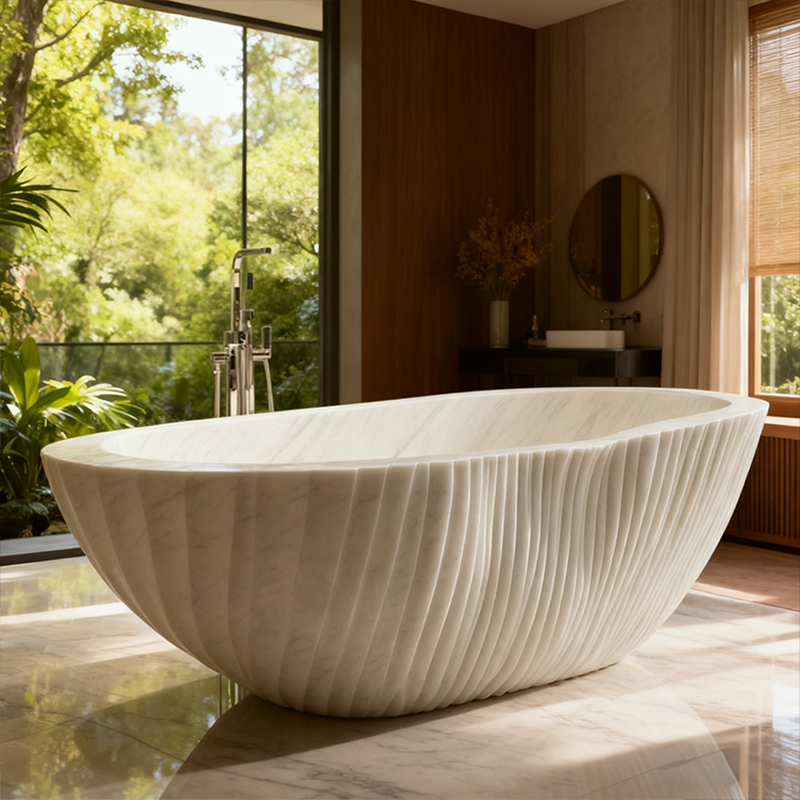 Marble Functional Bathtub Sculpture
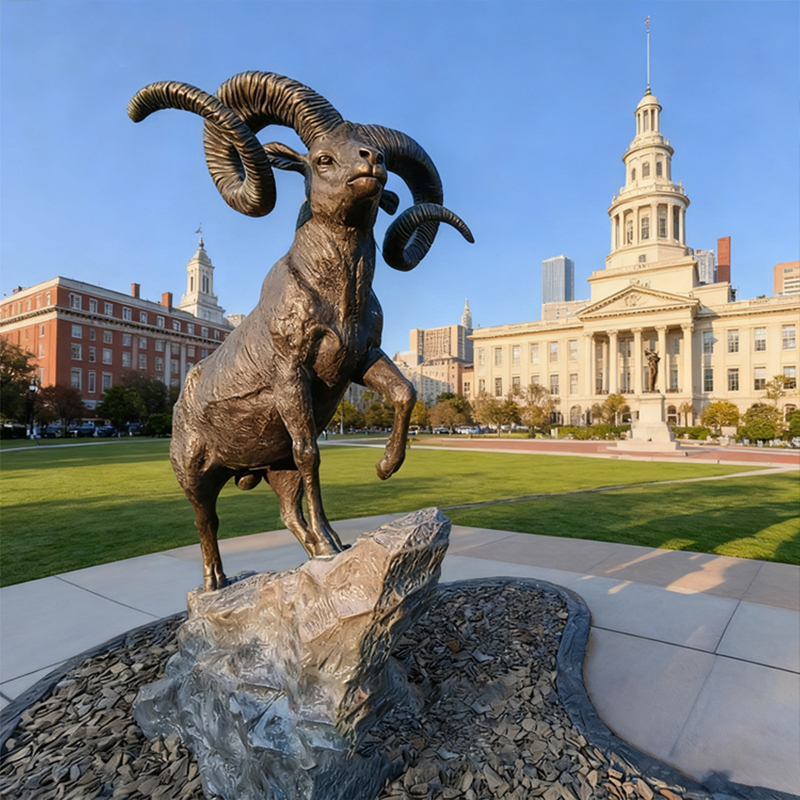 Bronze Big Horn Ram Sculpture – Outdoor Garden Decoration
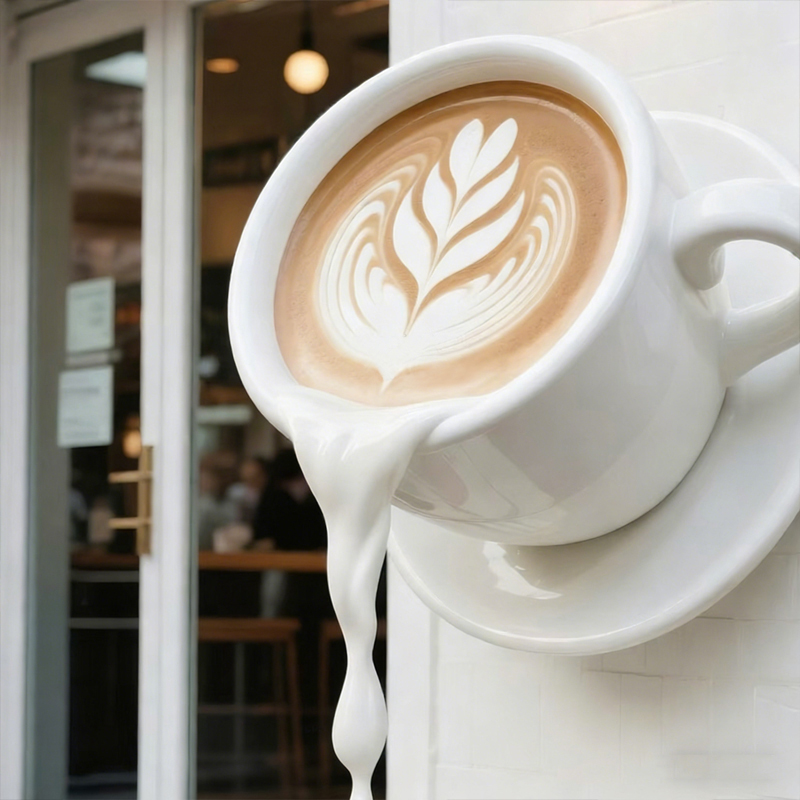 Fiberglass Floating Coffee Cup Decorative Sculpture
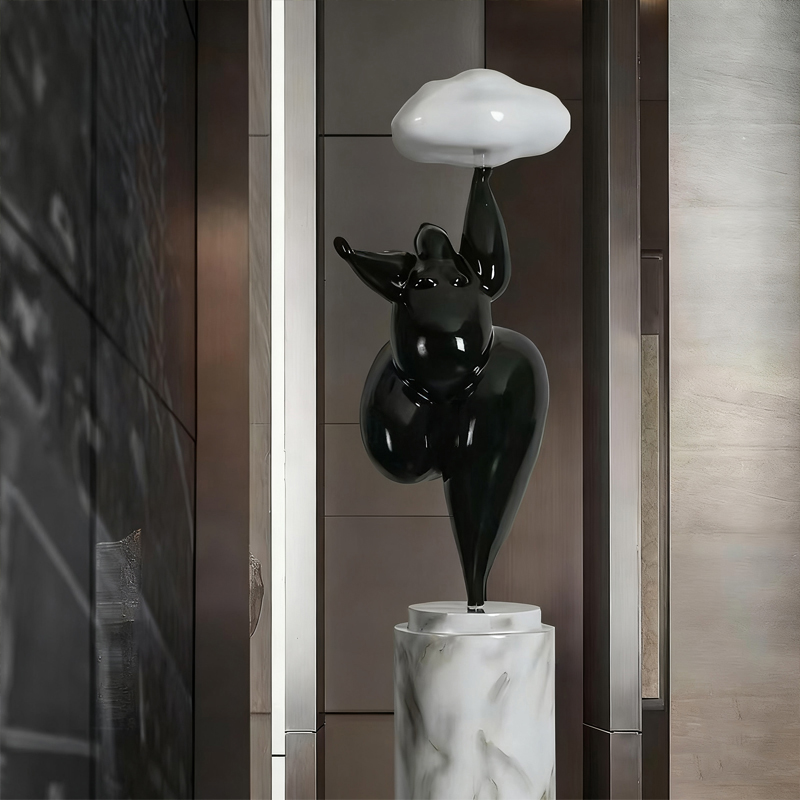 Cloud-Lifting Style Fiberglass Decorative Sculpture
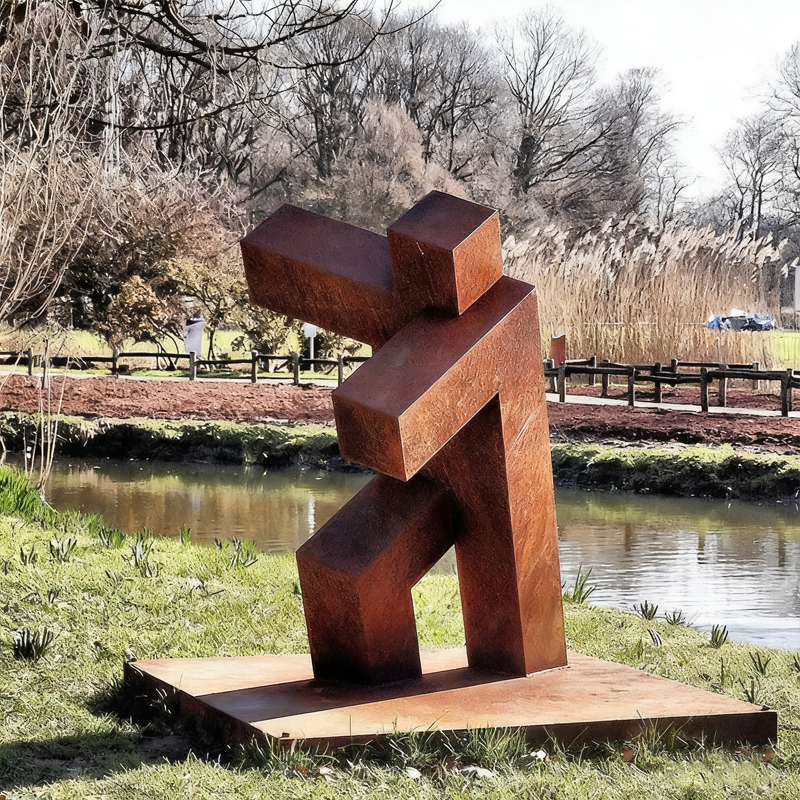 Abstract Weathering Steel Decorative Sculpture
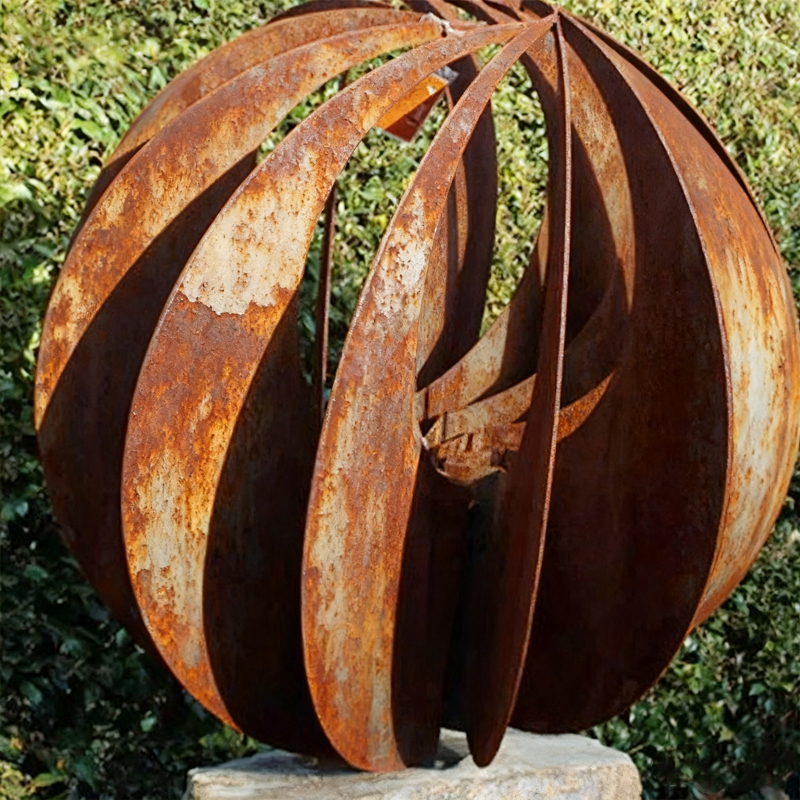 Hollow-Pattern Spherical Weathering Steel Decorative Sculpture



Daniel H.

Amanda R.

Robert B.

Jennifer S.

James W.

Barry G.

Michael T.

Emily K.

David L.

Sarah M.


Mikey XV

Jagxue

 English
 Español
 عربى
عربى Français
 italiano
 Deutsch