
Content
Corten steel, also known as weathering steel, develops a stable rust-like patina when exposed to the elements, and that patina is precisely why it has become a favorite material for large-scale outdoor sculpture. Unlike ordinary steel, which corrodes progressively until it fails, corten forms a dense oxide layer within the first year or two of exposure that then acts as a protective barrier, slowing further corrosion to a near standstill. The result is a surface that looks weathered and organic on day one and continues to deepen in tone — from orange-brown to a rich chocolate red — over several years, without any painted finish to maintain.
For public art commissions, campus installations, and memorial pieces, this self-finishing quality solves a real maintenance problem. A stainless or painted sculpture placed outdoors typically needs periodic recoating or polishing to stay presentable; a corten piece simply continues to age in place, which is one reason municipalities and universities increasingly specify it for permanent outdoor collections.
Building a sculpture in corten steel is not simply a matter of cutting and welding plate the way one would with mild steel. Because the final surface texture depends entirely on how the oxide layer forms, every stage of fabrication has to account for the eventual weathering outcome rather than just structural soundness.
Skipping or rushing any of these stages tends to show up later as blotchy or inconsistent coloring, which is why experienced fabricators treat the weathering step as part of the artistic process rather than an afterthought.
Clients choosing a material for a large outdoor commission are usually weighing corten against stainless steel or bronze, since all three are common choices for public and institutional sculpture. Each has a distinct visual language and a different maintenance profile.
| Material | Visual Character | Maintenance | Typical Setting |
| Corten Steel | Warm, earthy rust tones that deepen over time | Very low, self-protecting patina | Parks, campuses, memorials |
| Stainless Steel | Bright, mirror-like or brushed finish | Periodic polishing to avoid dulling | Plazas, corporate landmarks |
| Bronze | Classical patinated green or brown tones | Occasional wax sealing recommended | Historical, religious, figurative works |
Corten tends to win out for large, abstract, or contemporary forms where a warm, textured surface complements the sculptural mass, while stainless is more often chosen when a reflective, futuristic quality is desired, and bronze remains the traditional choice for figurative or commemorative pieces.
Large corten sculptures, especially those with sweeping curved forms, carry real structural demands that go beyond aesthetics. Wind loading on a tall, broad-surfaced piece can be substantial, so an internal steel skeleton is almost always required to distribute stress evenly across the outer skin. Anchoring to a foundation or base plate has to account for both the weight of the piece and the leverage created by wind pressure at height.
Thickness selection also matters more than buyers often expect. Thin plate is easier to curve into complex shapes but is more prone to denting during transport and installation, while thicker plate holds its form better but adds weight and cost. Matching plate thickness to the specific silhouette and installation environment is typically decided during the design phase, not left until fabrication begins.
Clients planning a corten steel commission benefit from thinking through a few practical points before finalizing a design, since some visual effects that look good in a rendering behave differently once the material begins to weather outdoors.
Addressing these points during the design stage, rather than after fabrication, tends to prevent costly rework and keeps the finished installation looking as intended for decades.
Corten's earthy tones and organic weathering process make it especially well suited to settings where the sculpture is meant to feel integrated into a natural or semi-natural landscape rather than standing apart from it. Public parks, university campuses, memorial gardens, and civic plazas surrounded by greenery all tend to showcase corten well, since the warm rust tones complement foliage, stone, and soil rather than competing with them.
Institutions planning long-term outdoor collections increasingly favor corten precisely because it ages gracefully rather than degrading, giving a sculpture presence that grows richer with time instead of requiring restoration to preserve its original appearance.
 Outdoor Abstract Stainless Steel Art Sculpture
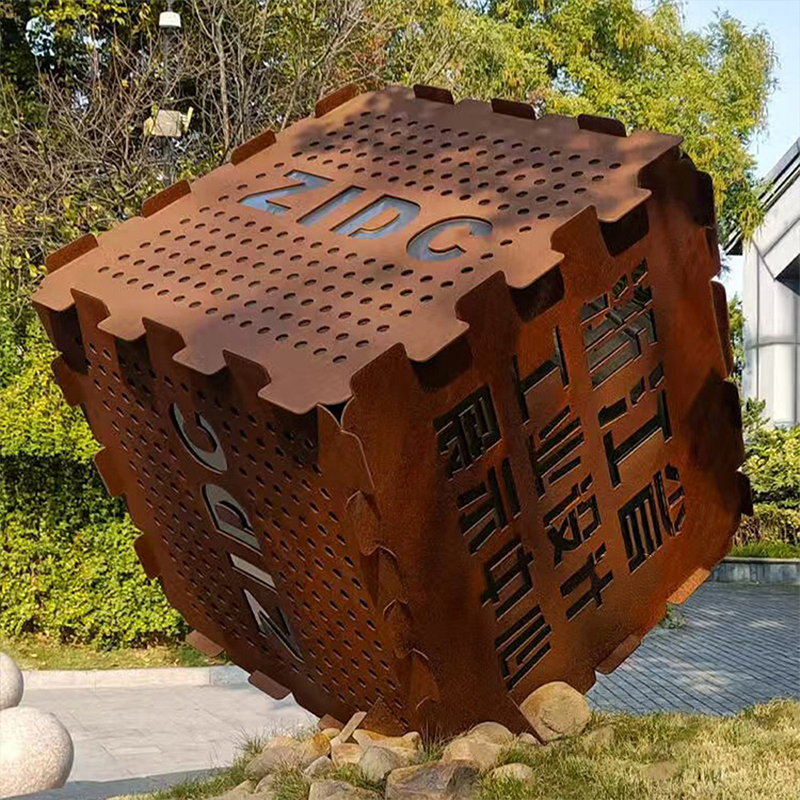 Hollow-Pattern Cubic Weathering Steel Decorative Sculpture
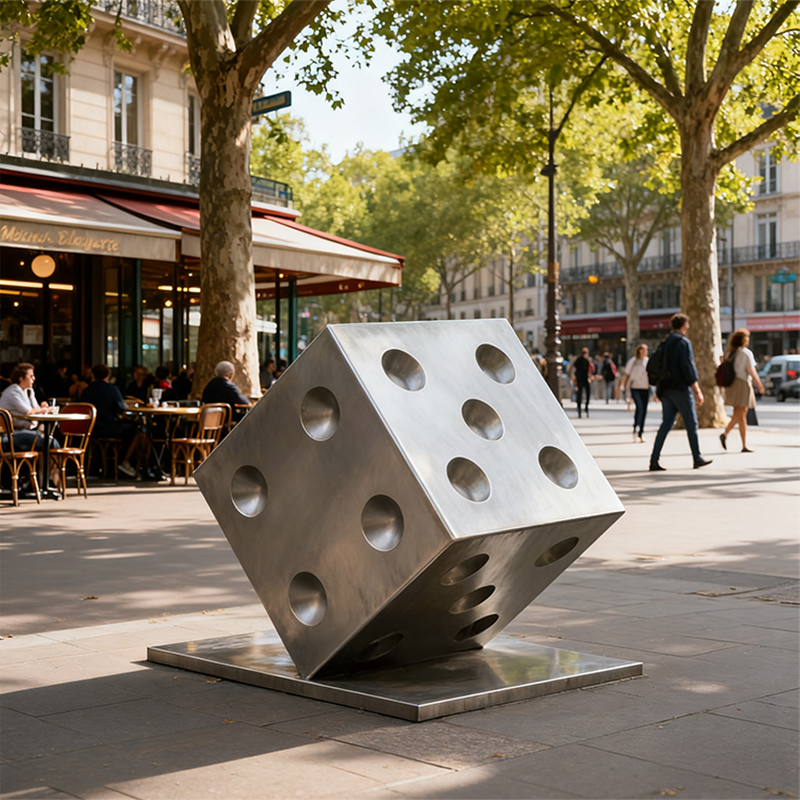 Stainless Steel Dice Sculpture
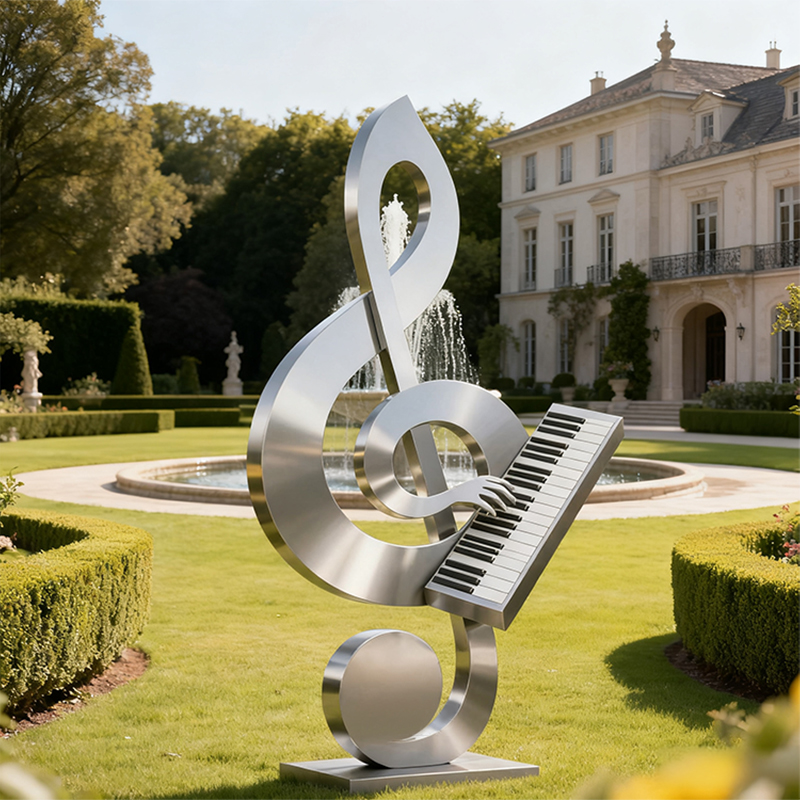 Stainless Steel Musical Notes & Piano Sculpture
 Durable Outdoor Marble Human Sculpture of a Boy Pulling a Thorn from His Foot, European Design
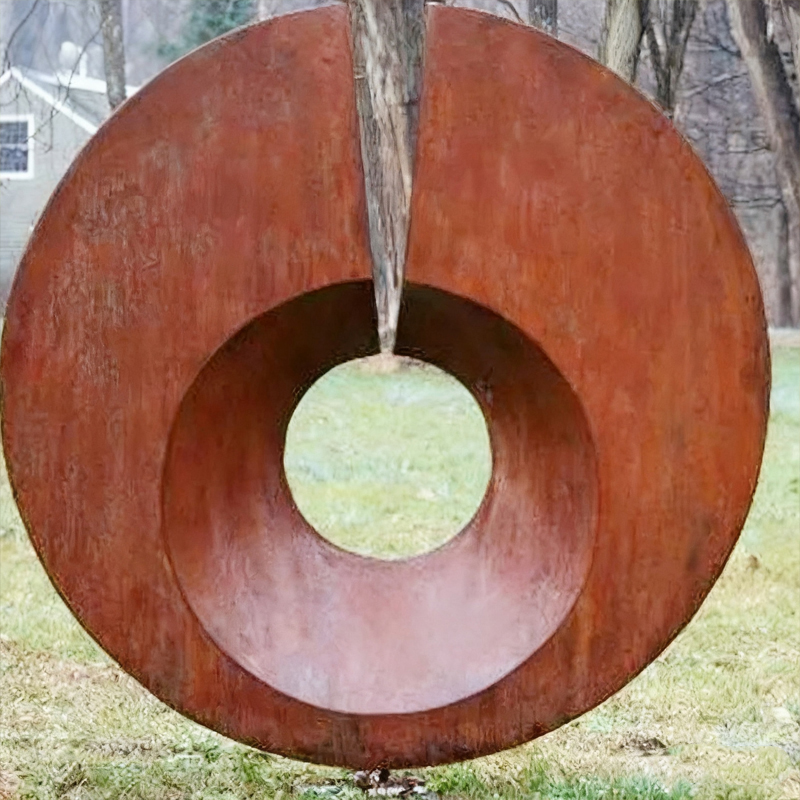 Circular Ring Weathering Steel Decorative Sculpture



Daniel H.

Amanda R.

Robert B.

Jennifer S.

James W.

Barry G.

Michael T.

Emily K.

David L.

Sarah M.


Mikey XV

Jagxue

 English
 Español
 عربى
عربى Français
 italiano
 Deutsch