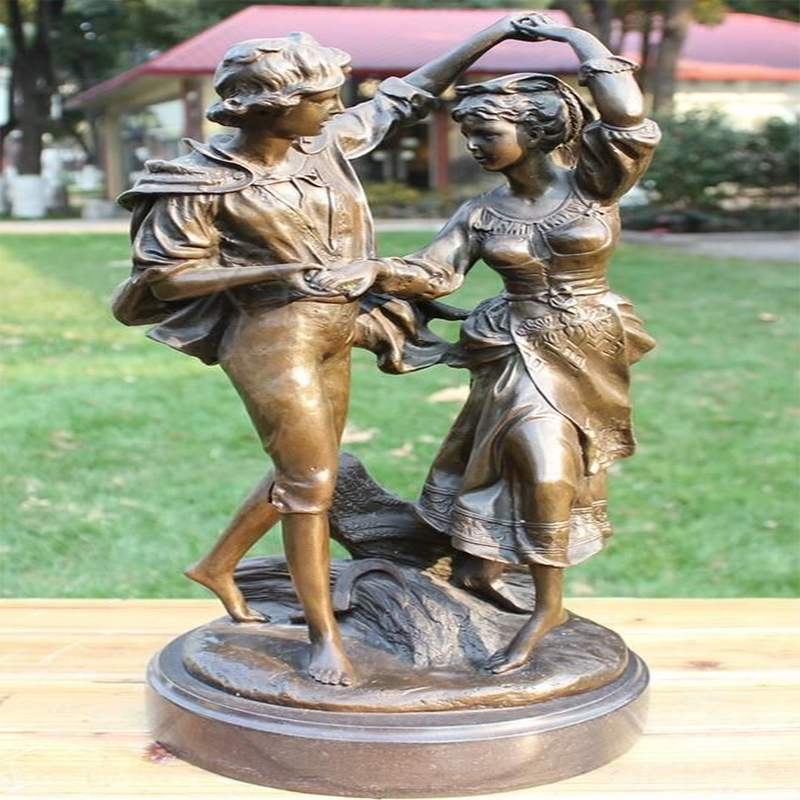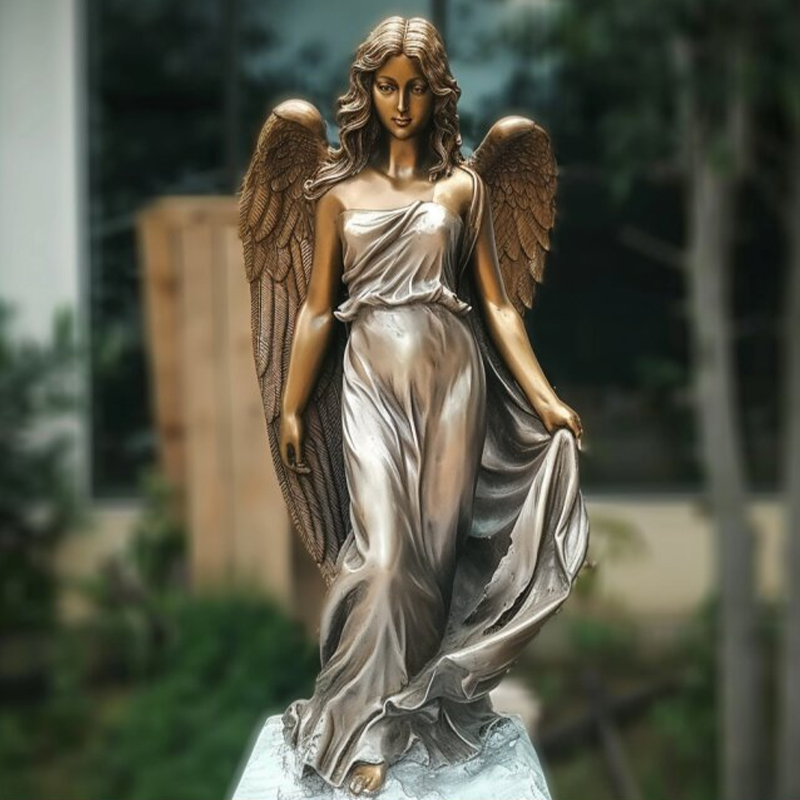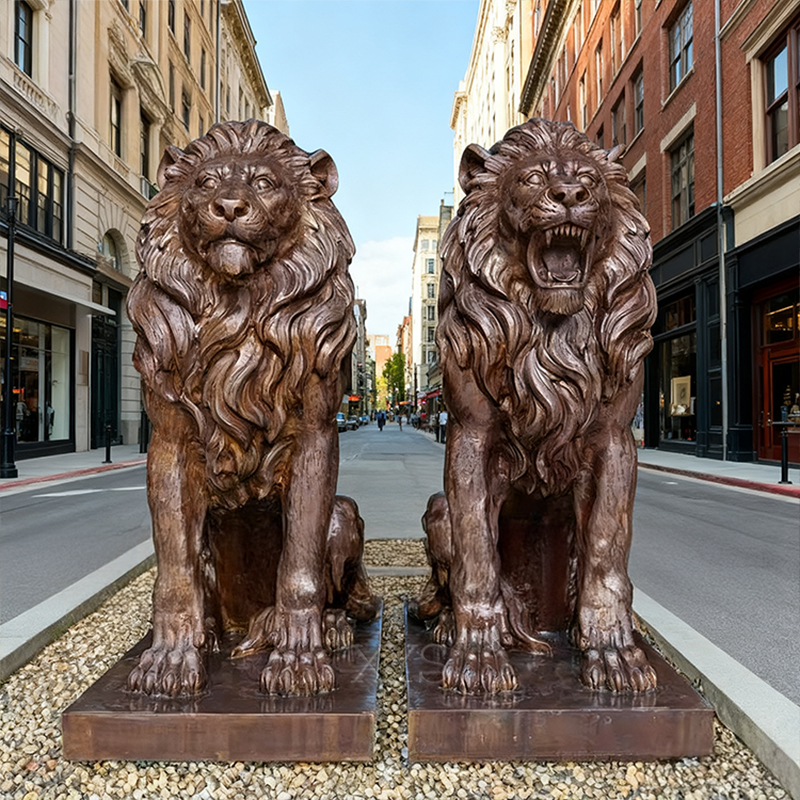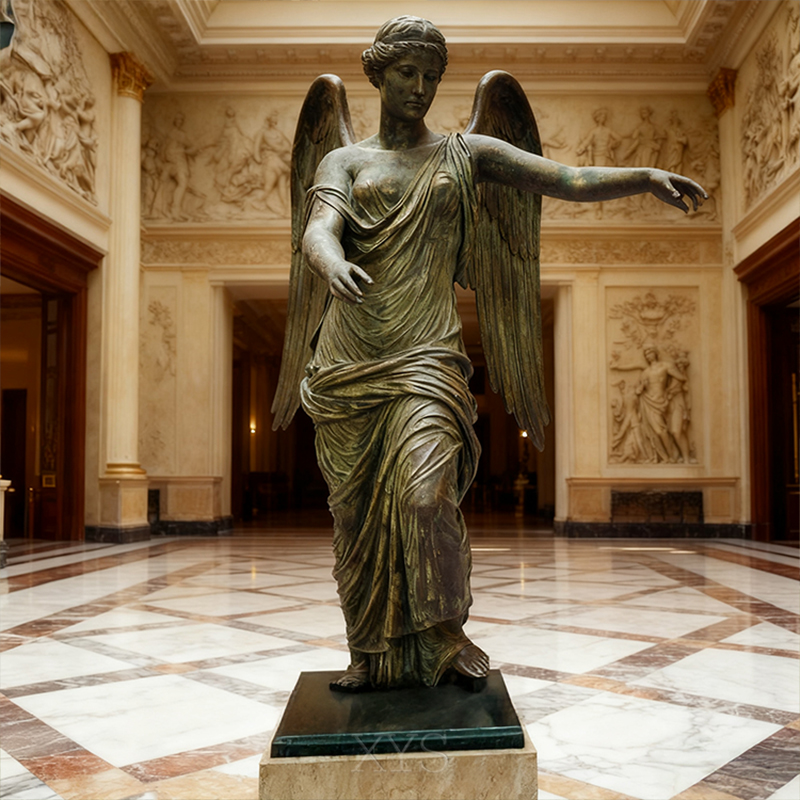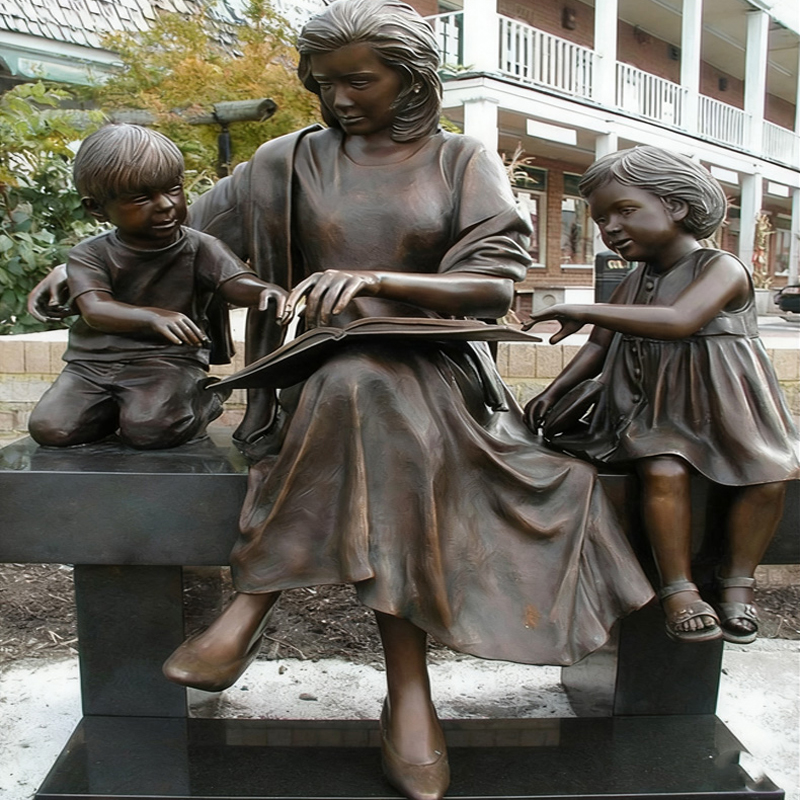
On a tree-lined square in Lyon, a bronze public sculpture has kept its surface crisp for over a century. Rain, frost, and daily foot traffic have worn the paving stones around it, yet the cast metal still holds fine detail. That record is why architects, landscape designers, and private buyers continue to specify bronze casts for monuments, gardens, and institutional artwork. The term covers multiple production routes, however, and the chosen route has a direct impact on cost, detail, and outdoor lifespan. These are the facts a buyer should know before commissioning.
Content
Bronze casting is essentially a translation process. The sculptor's original shape is transferred from a soft material into a permanent metal copy through a controlled sequence of steps. The majority of art-grade bronze casts follow the lost-wax route, which looks like this:
Every one of these stages affects the final price and quality. A workshop that rushes the chasing step will deliver a cast still carrying visible seams and pinholes, while a disciplined finishing bench is the difference between an art-grade bronze and a factory replica.
Two processes produce the overwhelming majority of bronze casts: investment casting, commonly called lost-wax, and sand casting. Both yield durable bronze, but they suit different levels of surface detail and different budgets.
| Method | Detail Reproduction | Ideal Applications | Typical Finish |
|---|---|---|---|
| Lost-wax casting | Very high; captures fine surface texture | Figurative sculpture, fountains, collectible art | Smooth, crisp, suitable for patina work |
| Sand casting | Moderate; softer edges | Architectural elements, large simple forms | Textured surface; more finishing required |
Lost-wax casting is the default for figurative and narrative sculpture because it reproduces the surface character of the original model extremely accurately. Sand casting remains attractive for large, simple geometry and for architectural components where wall thickness matters more than fine detail. Most serious manufacturers use both methods, so the decision should be driven by the artwork's scale, surface requirements, and quantity, not by what a single workshop happens to have available.
Copper-based alloys are genuinely practical outdoor materials. When exposed to the atmosphere, bronze develops a stable protective layer instead of rusting away, which is why historic bronze figures survive for centuries. Many clients deliberately ask for a forced patina during production so the sculpture arrives on site with its final colour already expressed.
Bronze is also repairable. If a piece is damaged during transport or installation, a foundry can weld, grind, and re-patina the affected area so the repair vanishes into the surrounding surface. Add to that a high level of detail fidelity, and it becomes clear why bronze remains competitive against stainless steel and fiberglass.
Animal subjects make up a large part of the bronze casting requests we receive. A life-size horse, for example, needs an internal armature, controlled wall thickness, and careful load calculation so the finished work stands safely on its legs — qualities that separate an engineered bronze cast from a decorative replica.
 Life-Size Bronze Horse Sculpture with Lost-Wax CastingThis 2-meter bronze horse captures healthy muscle lines and a lively advancing posture using the lost-wax method. It suits plazas, villa courtyards, and equestrian clubs as a high-end landmark with historical patina.View Product →
A beautiful patina can hide mediocre casting. Before signing a production contract, ask the manufacturer for precise answers on the following points:
Water features add another layer of risk. A fountain casting endures continuous moisture, UV exposure, and chemically treated recirculating water, so wall thickness, drainage points, and pump access should be confirmed in writing before any mold is cut.
 Bronze Nude Female Fountain Sculpture for Outdoor SettingsThis bronze fountain sculpture combines artistic elegance with practical water-feature function. Its weather-resistant material suits gardens, parks, and hotel plazas, adding classic refinement and layering to landscape designs.View Product →
Most bronze casts today are developed around a specific commission rather than bought from a catalogue. The typical sequence begins with a reference photo, an architectural sketch, or a narrative idea. The design team translates that concept into a computer model or a clay maquette, the client approves scale and pose, and only then does the foundry begin mold making, shell building, and pouring. Consolidating design and production in one company avoids the most common problem of custom casting: responsibility being shuffled between a sculptor, a foundry, and a logistics agent.
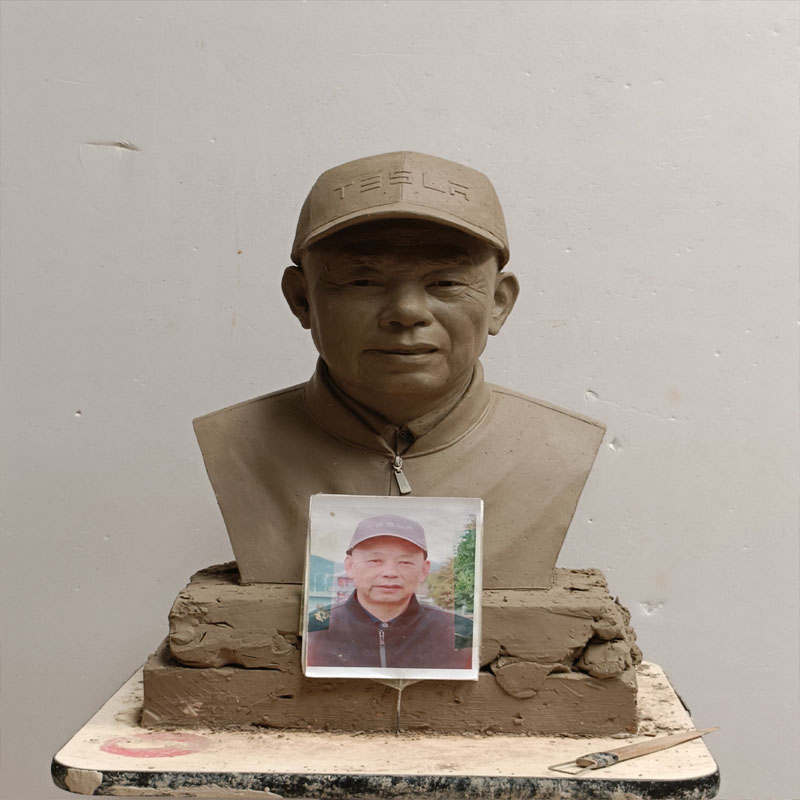
Custom portrait work is the clearest illustration. A life-size portrait bust must capture the subject's likeness through the original modeling and survive the casting process without losing the character of the surface. Our sculptors, mold makers, and patina artists work against a single reference standard, which is why we approach each portrait as one continuous process rather than a handoff.
 Custom Bronze Portrait Sculpture for CommemorationThis custom bronze portrait accurately reproduces facial expressions and characteristics, preserving personal or corporate likeness. Its corrosion-resistant bronze ensures lasting detail, making it a meaningful collectible or heritage piece.View Product →
It also helps to look at the supplier's entire workflow rather than its catalogue alone. A team that manages design, casting, finishing, delivery, and installation can offer what fragmented suppliers cannot: a single point of responsibility from the first sketch to the final invoice. For a more detailed comparison of bronze sculpture categories, production techniques, and selection criteria, see our article on bronze sculpture types and techniques.
No casting method can compensate for a weak sculpture, and no design can survive a careless pour. The reassuring side of the industry is that modern manufacturers combine long-established casting knowledge with controlled, repeatable processes — which means buyers can verify quality instead of trusting luck. When you are ready to plan a bronze commission, the most useful thing you can do is share your intended scale, site conditions, and budget with a manufacturer who controls the production chain internally. You can contact our sculpture team directly, and we will translate those parameters into a concrete proposal covering alloy choice, casting route, patina plan, and delivery schedule.



Daniel H.

Amanda R.

Robert B.

Jennifer S.

James W.

Barry G.

Michael T.

Emily K.

David L.

Sarah M.


Mikey XV

Jagxue

 English
 Español
 عربى
 Français
 italiano
 Deutsch