Content
Bronze outlasts stone in outdoor environments, accepts finer detail than iron, and develops a natural patina that deepens in visual richness over decades. These properties — not tradition alone — explain why bronze sculptures still account for the majority of monumental public art commissions worldwide today.
The alloy itself is typically 88–92% copper combined with 8–12% tin, though foundries often introduce small amounts of zinc or lead to improve flow during casting or to control surface finish. This flexibility in composition gives sculptors and foundries precise control over the final appearance and structural integrity of each piece.
Bronze also offers a tensile strength that allows for cantilevered forms — extended arms, dramatic poses, or sweeping abstract shapes — that would fracture in marble or concrete under their own weight. This structural advantage directly expands what artists can conceive and execute.
The lost-wax method (cire perdue) remains the standard for producing detailed fine art bronze sculptures, and its core logic has changed very little since ancient Greece. Understanding the process helps buyers assess quality and price honestly.
Sand casting is a faster, lower-cost alternative used primarily for large architectural components or simpler decorative pieces. It produces a slightly coarser surface texture and is less suited to fine figurative detail.
Bronze sculptures span an enormous range of scales, subjects, and artistic movements. Knowing the major categories prevents mismatches between buyer intent and product category.
| Category | Typical Scale | Common Applications | Key Buyer Consideration |
|---|---|---|---|
| Figurative / Representational | Tabletop to monumental | Portraits, wildlife, human figures | Chasing quality; likeness accuracy |
| Abstract | Small to large outdoor | Corporate lobbies, public parks, collections | Concept statement; artist reputation |
| Decorative / Classical Reproduction | Small to life-size | Interior décor, hospitality, gifting | Finish consistency; edition authenticity |
| Architectural / Monumental | Life-size to 10 m+ | Memorials, civic plazas, religious sites | Structural engineering; installation logistics |
| Relief Panels | Wall-mounted, variable | Building facades, commemorative plaques, doors | Depth of relief; wall anchoring method |
Patina is one of the most misunderstood aspects of bronze sculpture purchasing. Buyers often treat it as purely cosmetic, when in practice it also functions as a protective layer that slows further oxidation.
Chemically applied patinas are created during production using heated acid solutions, giving the artist or foundry control over the exact color result. Common finished tones include:
Natural weathering patinas develop over years on outdoor sculptures and are generally considered desirable — they signal authenticity and age. However, in humid or coastal environments, copper chloride compounds (often called "bronze disease") can cause active, destructive corrosion that requires professional treatment if left unchecked.
For outdoor bronze sculptures, applying a microcrystalline wax coating (such as Renaissance Wax) once or twice per year significantly slows weathering and preserves the intended patina for longer.
Bronze sculptures produced from a mold can be cast in multiples. The concept of a limited edition is central to how the fine art bronze market functions — and it is frequently misrepresented.
A sculpture marked 3/12 means it is the third cast of a total authorized edition of twelve. Industry convention holds that once an edition is complete, the original mold should be defaced or destroyed to prevent further unauthorized casting — though enforcement depends entirely on the artist or estate.
Beyond the numbered edition, foundries typically produce:
When purchasing a bronze sculpture as a collectible or investment, always request a certificate of authenticity signed by the artist or their estate, confirming the edition number, total edition size, foundry name, and casting date. Without documentation, edition claims cannot be independently verified.
For monumental or garden bronze sculptures, the installation phase is as technically demanding as the casting. Poor anchoring causes tilting over time; inadequate drainage accelerates corrosion at the base.
Sculptures over 100 kg typically require a reinforced concrete footing. The depth and width of the footing depend on local soil bearing capacity and frost-line depth — in temperate climates, footings often extend 600–900 mm below grade to prevent frost-heave displacement.
A minimal but consistent maintenance program extends the life of outdoor bronze sculptures significantly:
Quality in bronze sculpture is visible if you know what to look for. These are the specific indicators that distinguish a well-executed piece from a low-quality casting sold at an inflated price.
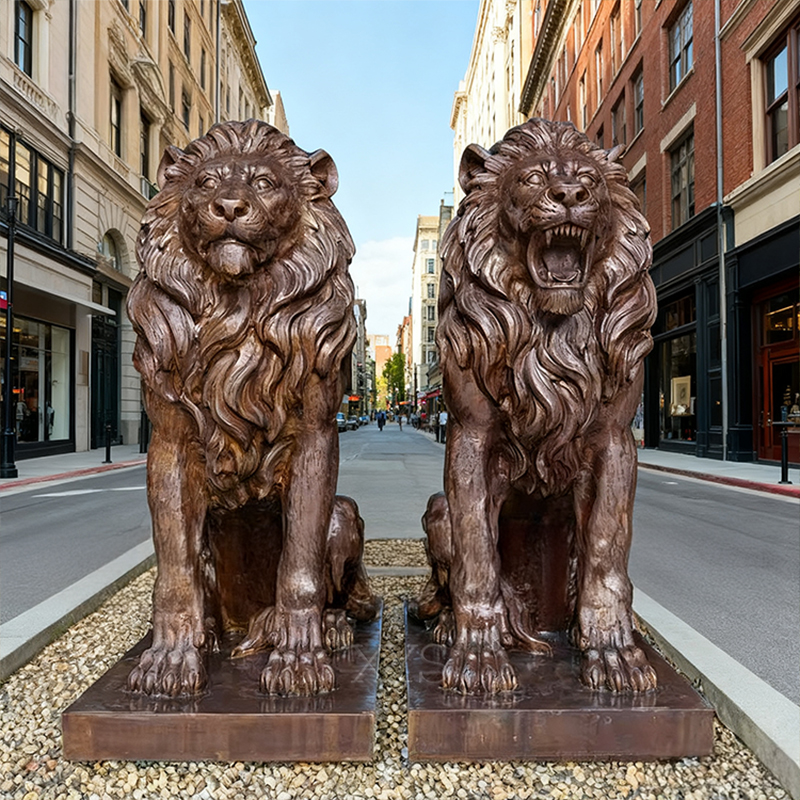 Bronze Sitting Lion Sculpture – Classic Garden Decoration
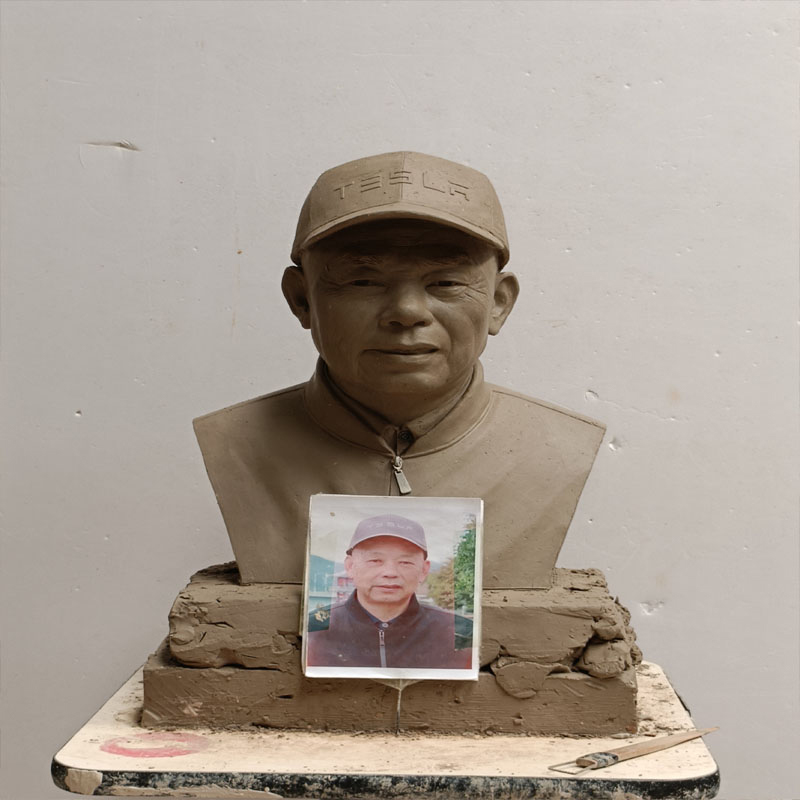 Custom Bronze Portrait Sculpture
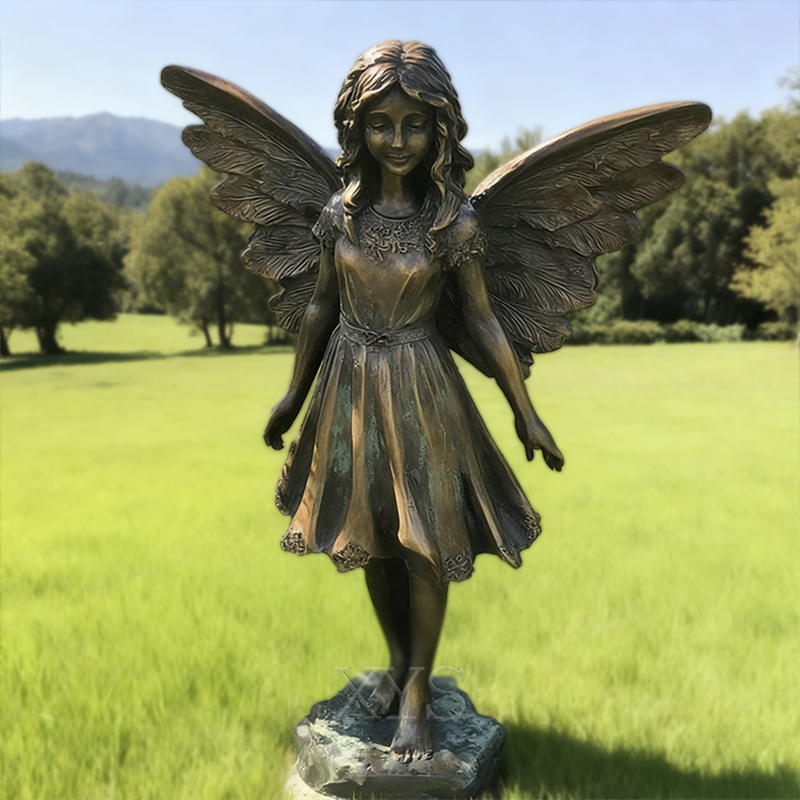 Bronze Flower Fairy Sculpture
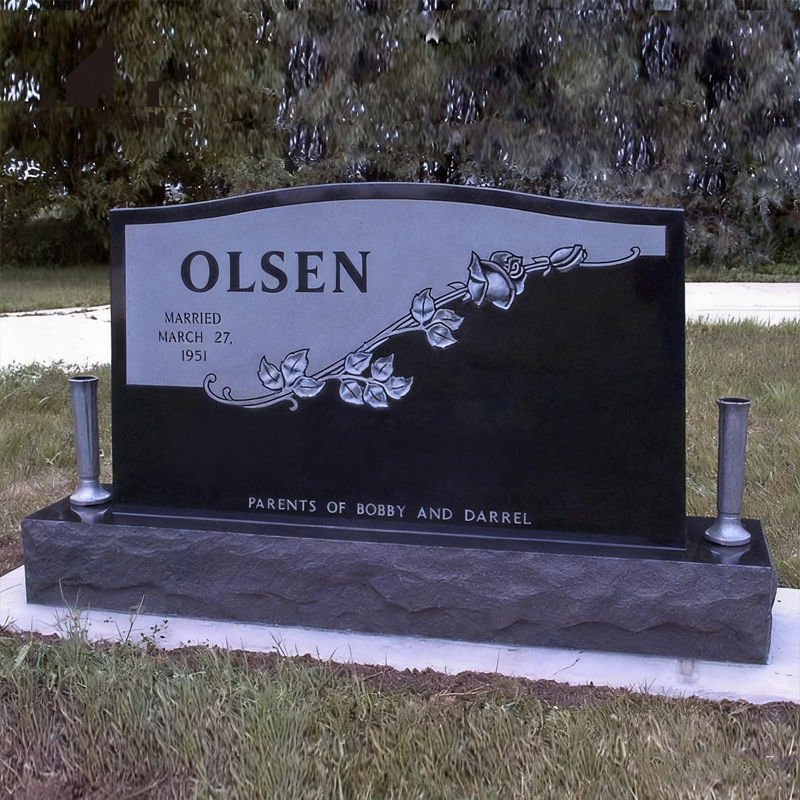 Black-and-White Contrast Rose-Pattern Marble Tombstone
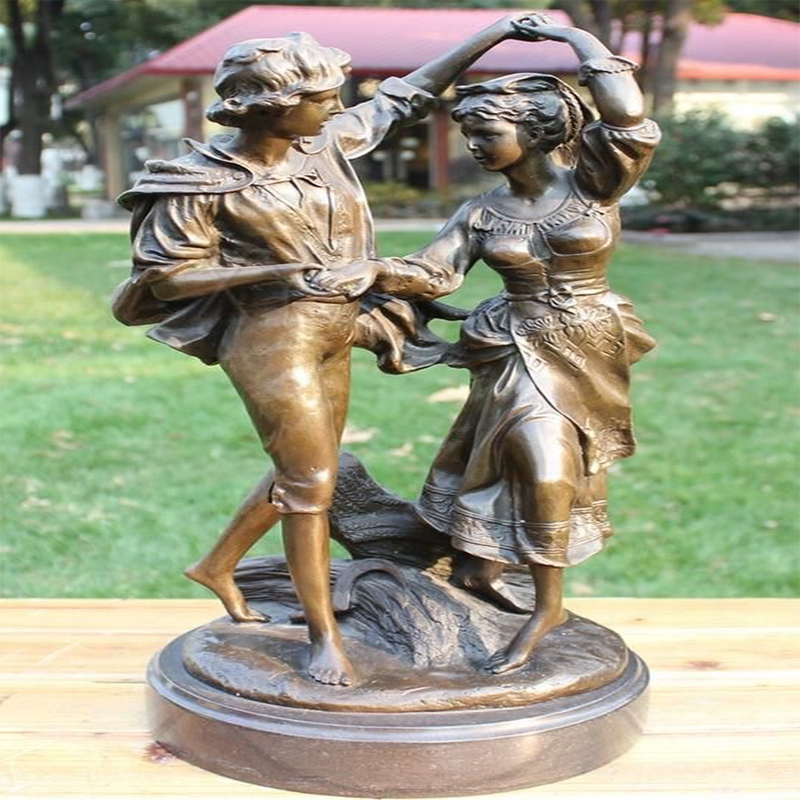 Bronze Life-Size Dancing Couple Sculpture – Heart Figure for Park Decoration
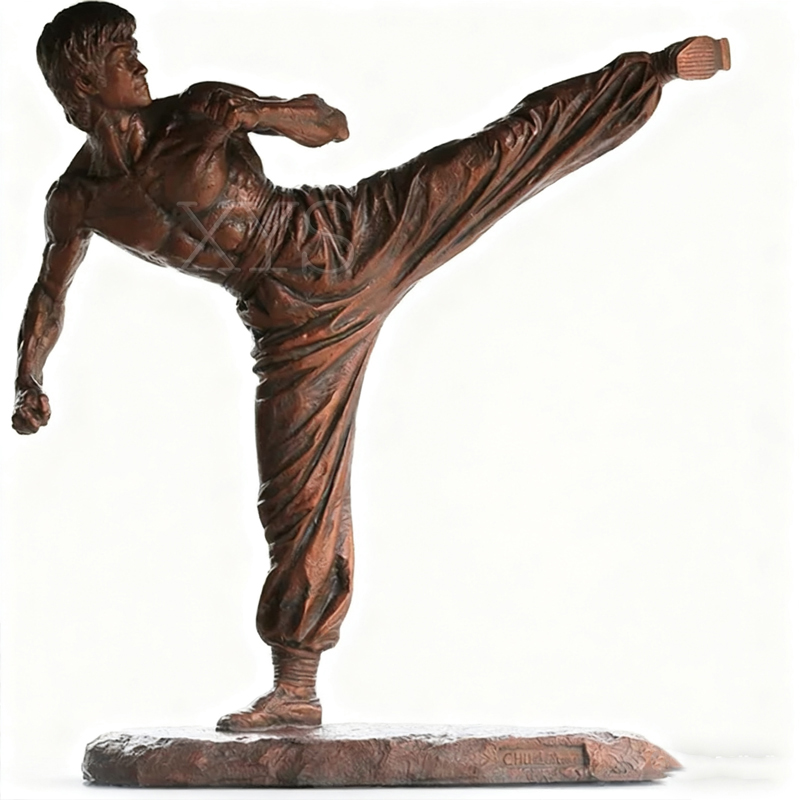 Bronze Life-Size Bruce Lee Martial Arts Sculpture – Outdoor Display



Daniel H.

Amanda R.

Robert B.

Jennifer S.

James W.

Barry G.

Michael T.

Emily K.

David L.

Sarah M.


Mikey XV

Jagxue

 English
 Español
 عربى
عربى Français
 italiano
 Deutsch