Content
A bronze human sculpture carries weight that a photograph or a plaque cannot. Because bronze is cast from a hand-sculpted model rather than printed, every plane of the face, every fold of clothing, and every gesture is shaped by an artist before it is ever poured, which is why families choosing a memorial piece often describe the result as feeling more like a presence than an object. This is the main reason bronze portrait statues remain a preferred way to memorialize a parent, spouse, or child: the material itself communicates permanence, and permanence is exactly what grief is looking for when words feel insufficient.
Bronze has been used for portrait sculpture for thousands of years, and part of its enduring appeal is how the metal ages. Unlike a freshly cast surface, bronze develops a natural patina over time, a soft shift in color and tone caused by gradual oxidation, which gives an outdoor memorial a quiet, weathered character rather than a look of decay. Families often find comfort in this slow transformation, since it mirrors the way memory itself softens and deepens with time rather than fading away.
There is also a practical dimension to this choice that families often discover only after the fact. A bronze sculpture becomes a fixed point for grief to return to, a place where visiting, speaking aloud, or simply sitting nearby feels natural in a way that a small urn or a framed photograph rarely provides. For many families, the sculpture ends up serving a function beyond memory alone, becoming a gathering point for anniversaries, holidays, and quiet visits across many years.
Not every memorial sculpture takes the same form. The choice of style usually reflects how the family wants to remember the person, whether as a realistic presence, a symbolic gesture, or a quiet companion figure placed in a garden or cemetery plot.
| Sculpture Type | Common Setting | Emotional Focus |
| Full-Body Portrait Statue | Cemetery plot, family estate | Lifelike presence and posture |
| Bust or Head Casting | Indoor memorial, mantel, study | Facial likeness and expression |
| Angel or Guardian Figure | Cemetery, memorial garden | Protection and spiritual comfort |
| Seated or Reclining Figure | Garden bench, reflective space | Quiet companionship and rest |
A full-body statue is the most literal choice, often modeled from a favorite photograph showing the person's typical stance or a meaningful activity, such as reading, gardening, or holding a grandchild. A bust, by contrast, concentrates all of the emotional detail into the face, which is why families who remember someone primarily through their expressions and eyes often choose this format over a full figure.
The difference between a generic memorial figure and one that truly represents a specific person comes down to small, deliberate details. Sculptors who specialize in memorial portraiture typically ask families to provide reference material that goes beyond a single photo, since capturing a genuine likeness requires more than facial proportions alone.
Families who work closely with the sculptor during this reference-gathering stage almost always report a stronger emotional connection to the finished piece, since the statue ends up reflecting memories that only the family would recognize, rather than a generic likeness anyone could have commissioned.
Commissioning a bronze memorial sculpture is a multi-stage process, and understanding each phase helps families set realistic expectations for both timeline and cost.
The sculptor first builds a clay or plasticine model based on the photographs and details provided. This model is shared with the family for approval before the casting process begins, since adjustments to proportion, pose, or expression are far easier to make in clay than after the piece has been cast in metal.
Once the model is approved, a mold is taken from the clay original and used to create a wax replica, which is then encased in a heat-resistant shell in a process known as lost-wax casting. Molten bronze is poured into the shell, and once cooled, the shell is removed to reveal the rough cast figure.
The final stage is where the likeness truly emerges, as the sculptor welds together any separately cast sections, then chases the surface by hand to refine facial features, fabric folds, and hand positions and remove casting seams. A chemical patina is then applied and controlled with heat to achieve the desired tone, from warm browns to deep greens or near-black finishes, matching the family's preference.
Depending on the size and complexity of the piece, this entire process can take anywhere from two months for a bust to over six months for a detailed full-body statue, so families planning a memorial for a specific date, such as an anniversary or an interment ceremony, should begin the commission well in advance.
Placement affects both the emotional experience of visiting the sculpture and the practical choices around size, patina tone, and protective finishing. A statue meant for a private garden can be smaller and more intimate, while a cemetery monument often needs to be sized to remain visually proportionate at a distance and durable enough to withstand decades of outdoor exposure, an area where bronze naturally excels thanks to its resistance to cracking and weathering.
Some families choose to place a smaller companion piece at home in addition to a cemetery monument, giving them a daily point of connection separate from the more formal, less frequently visited resting place.
Because a memorial sculpture is a one-time commission, choosing the right sculptor and foundry matters as much as choosing the right style. Portrait modeling is a distinct skill from decorative or abstract metalwork, and a sculptor without specific experience in likeness modeling may produce a technically competent statue that still fails to resemble the person being honored.
Families evaluating a sculptor or studio should ask to see a portfolio specifically of memorial or portrait commissions, rather than general figurative work, and should pay close attention to how closely those pieces resemble the reference photographs typically provided for such projects. A studio willing to share progress photos of the clay model, and open to revisions before casting begins, generally produces a result the family is more satisfied with, since it allows concerns about likeness to be addressed while changes are still easy to make.
It is also worth asking about the foundry's experience with patina work, since achieving a rich, even tone across a large figure takes considerable skill and can vary noticeably between studios. A foundry experienced with fine facial detailing will also know how to chase the cast surface carefully around the eyes, hands, and hairline, the areas where a rushed finish is most noticeable.
Bronze is durable, but outdoor memorials still benefit from periodic care to preserve both the patina and the fine detail cast into the face and hands, which are typically the most delicate areas of the piece.
With this level of care, a well-cast bronze memorial can remain visually intact for well over a century, which is part of why families view the commission not just as a tribute to one generation, but as something future generations will also be able to visit and recognize.
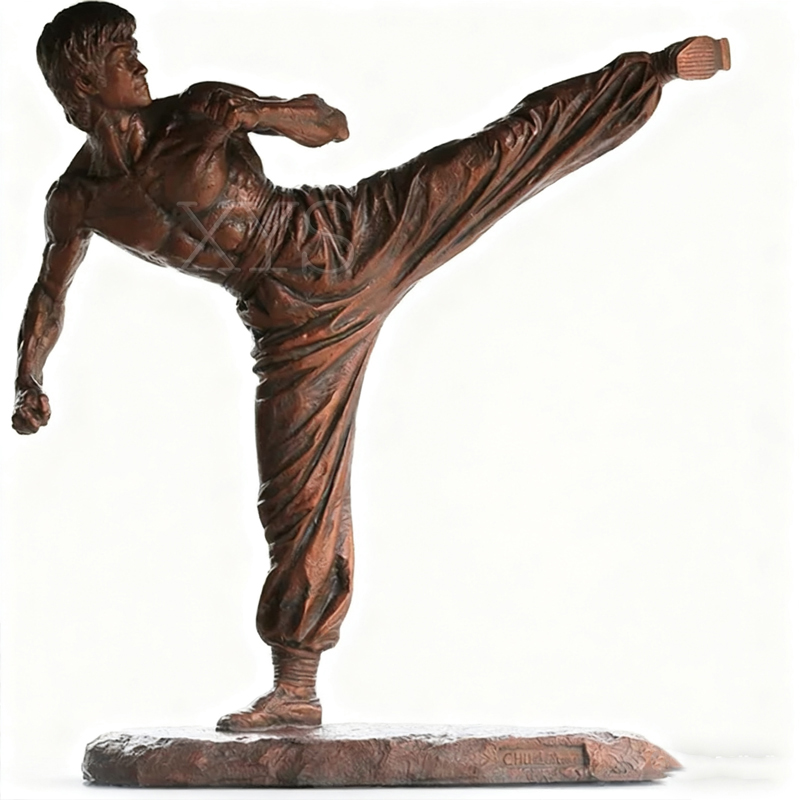 Bronze Life-Size Bruce Lee Martial Arts Sculpture – Outdoor Display
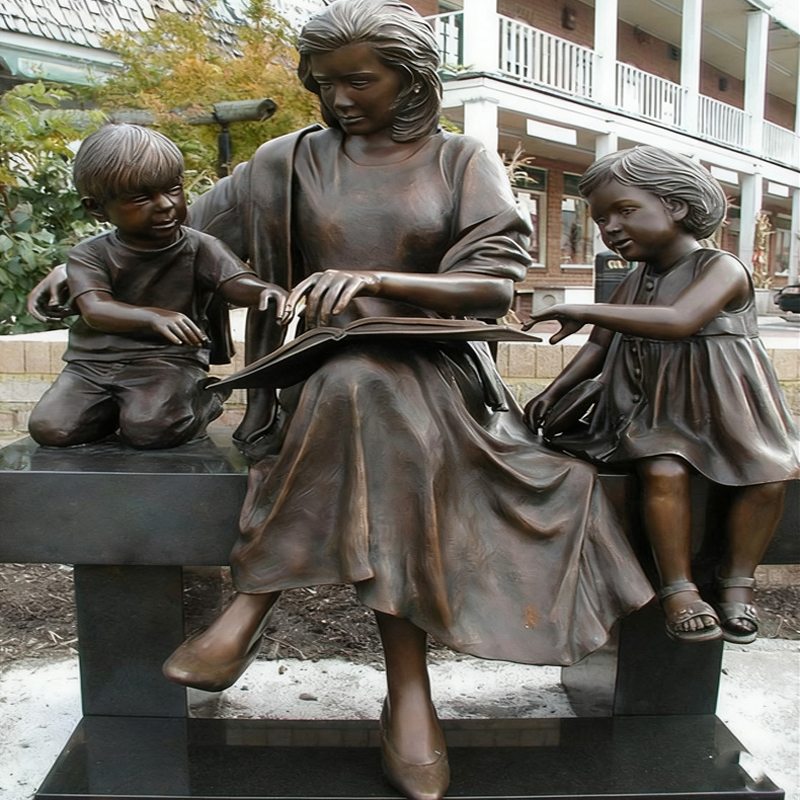 Bronze Parent-Child Reading Sculpture – Modern Artistic Design
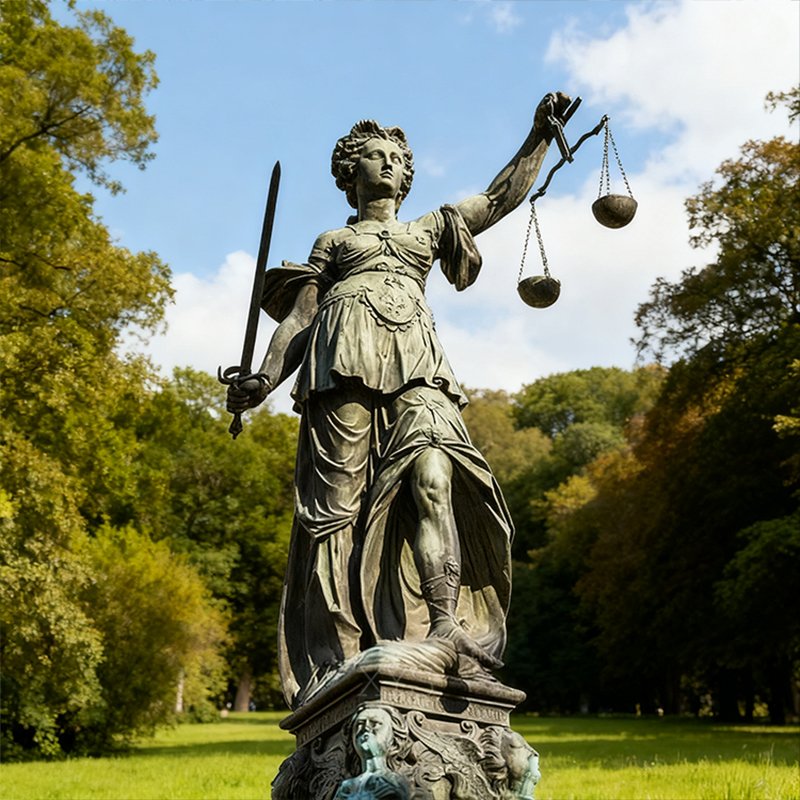 Bronze Libra Lady Justice Sculpture – Metal Model
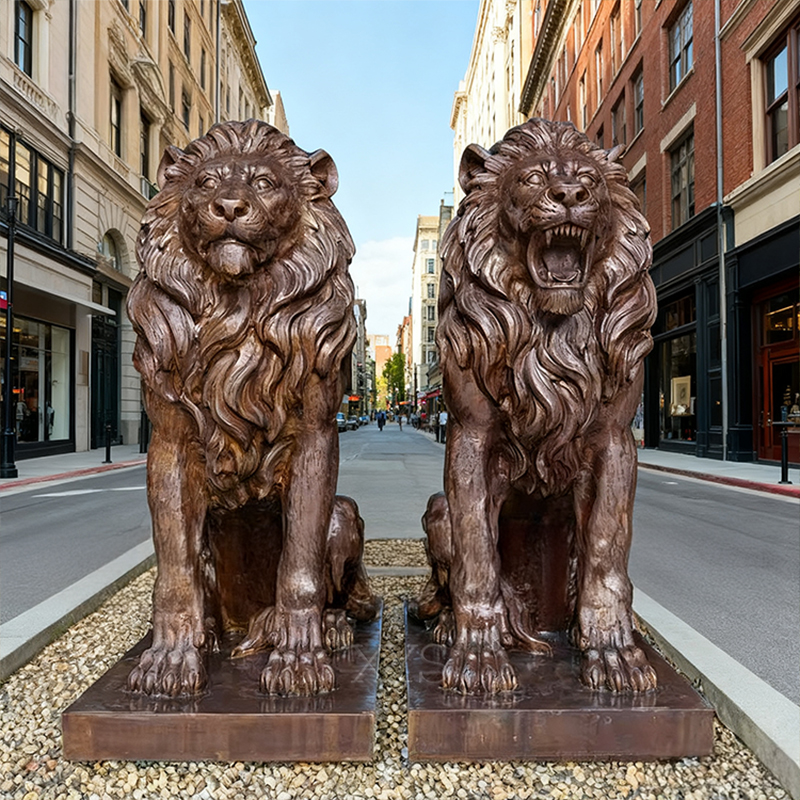 Bronze Sitting Lion Sculpture – Classic Garden Decoration
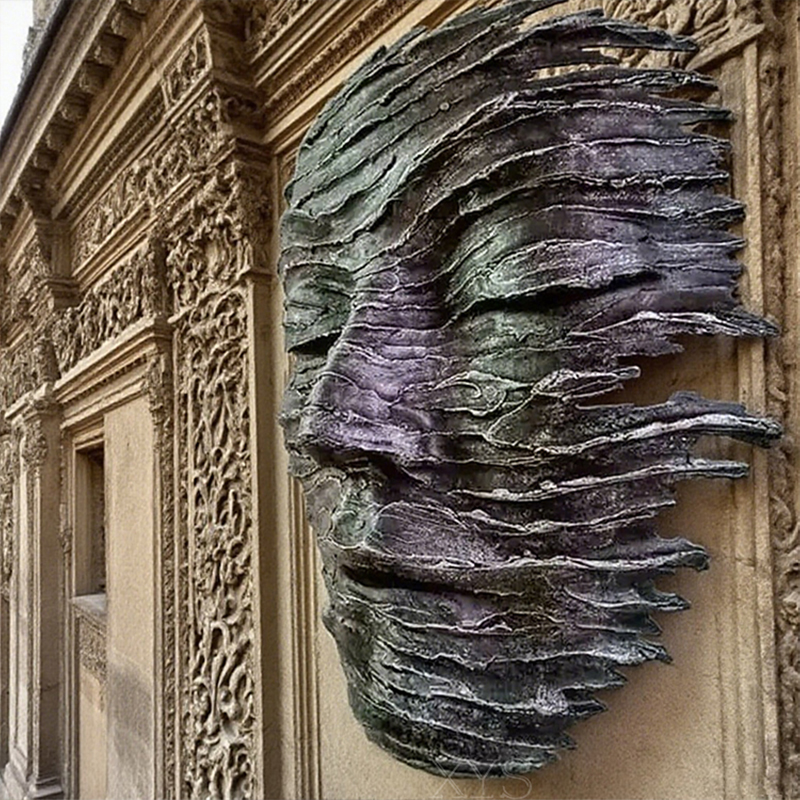 Bronze Abstract Stacked Face Sculpture – Modern Wall Art
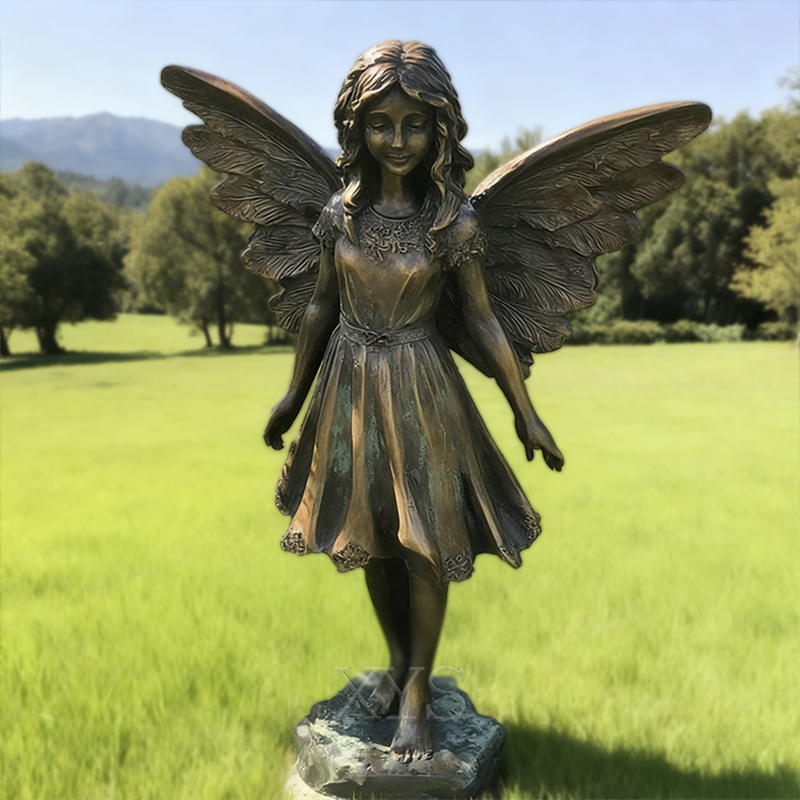 Bronze Flower Fairy Sculpture



Daniel H.

Amanda R.

Robert B.

Jennifer S.

James W.

Barry G.

Michael T.

Emily K.

David L.

Sarah M.


Mikey XV

Jagxue

 English
 Español
 عربى
عربى Français
 italiano
 Deutsch