Content
A full-length brass memorial statue has been completed at the Xinyesheng Sculpture workshop in tribute to Pəncəli Teymurov, the Azerbaijani special forces soldier who was posthumously named a National Hero of Azerbaijan in November 2025. The figure stands upright in full field gear, with a combat vest, backpack, and a helmet held in one hand. The production video follows the statue from the first clay model, shaped against a reference photograph, through brass casting and assembly to the finished figure standing in the workshop courtyard.
Memorial statues carry a different kind of responsibility from decorative sculpture. The figure has to be recognizable to the people who knew him, accurate in every uniform detail, and durable enough to stand for decades. This article looks at how those requirements shaped each stage of the work.
Pəncəli Nurməmməd oğlu Teymurov was born on 24 March 1981 in the village of Əzərüd in Azerbaijan's Astara district. He began military service in 1999 and chose to stay in the army afterward, joining the special forces as a reconnaissance soldier and rising to the rank of warrant officer. He also took part in specialized military training in Türkiye, and in 2015 he received the Medal for Bravery for his performance on military assignments.
In April 2016, during the clashes between Azerbaijani and Armenian forces along the Nagorno-Karabakh line of contact, he took part in operations in the Tartar direction and was killed in action on 3 April, at the age of 35. He was awarded the "For the Fatherland" medal after his death, and on 7 November 2025 a presidential decree conferred on him the title of National Hero of Azerbaijan. In his home region, a memorial museum has been established in his honor, and a bust of him was erected in 2021.
The video opens on the full clay figure standing on a steel support in the studio, and then moves in close to the head. A sculptor works on the face with a modeling tool, with a printed reference photograph pinned beside the clay, glancing back and forth between the two. The torso is wrapped in plastic film to keep the clay from drying while the detail work continues.
Likeness is the hardest part of a portrait statue. A face is read in an instant, and small differences in the eyelids, the line of the nose, or the set of the mouth change the whole character of the expression. For this reason the head is sculpted slowly and checked against the reference many times, long before any metal is involved.
The clay stage also fixes every piece of equipment. The close-up shots show the layered tactical vest, the shoulder straps and buckles, the folds of the sleeves, and the cap pushed up on the forehead with goggles resting above the brow. At the sides, the figure carries a rolled bundle under one arm and holds a helmet by its strap in the other hand.
Getting these details right matters for a memorial. Uniforms and gear are part of how a soldier is remembered, and visitors who know the subject will notice if a strap, pouch, or fold is wrong. The backpack, which the video shows clearly from behind and from the side, is modeled with the same attention as the front of the figure, so the statue reads well from every direction.
Once the clay model is approved, it is reproduced in brass. In the footage, the metal figure appears in the workshop in its raw cast state, a dull gray-gold with the surface still unfinished, standing on a steel frame. Large figures like this are normally cast in sections and then joined, which allows each part to be cast accurately and keeps the wall thickness under control.
Brass is a copper and zinc alloy that casts well and holds fine detail, including the texture of fabric, the edges of buckles, and the lines of the face. It is also strong enough to support a standing figure with its weight carried through two legs.
After casting, the sections are fitted together and the joins are welded. The video shows the assembled figure in a bright, polished-looking gold state, which is the stage after the seams have been ground and the surface cleaned. Chasing, the hand work of re-cutting texture along the joins, makes sure the folds of cloth and the details of the gear run continuously across the places where sections meet.
This is also the point where the stance is checked. A standing figure must carry its weight evenly through the legs and sit firmly on its base, so the team confirms the posture and the fixing points before any coloring begins.
The coloring stage is shown on the workshop floor. A craftsman works over the standing figure with a torch, and an orange flame plays across the shoulder and chest while the surface takes on its color. By controlling the heat and the coloring solution, the finisher builds up a deep brown, bronze-like tone that settles into the recesses and leaves the raised edges lighter.
In the outdoor shots at the end of the video, the finished statue stands in sunlight against a red brick building, its tone warm and even from the face down to the boots. The contrast between light and dark areas makes the straps, pockets, and folds easy to read from a distance, which is important for a statue that will be viewed in an open space.
Brass and bronze have been the traditional materials for commemorative statues because they last. They stand up to weather, hold crisp detail for decades, and develop a natural patina rather than simply fading. A memorial is meant to be permanent, and the choice of metal is part of that promise.
A cast metal figure can also be made at a scale that suits its setting, from a life-size statue for a museum courtyard or a memorial park to a larger monument for a public square, using the same sculpting and casting process.
Xinyesheng Sculpture is a China-based sculpture manufacturer and custom design metal statue supplier with 13 years of experience in sculpture creation. Its R&D and design team has more than a decade of experience and works across stainless steel mirror-finish sculptures, marble works, weathering steel pieces, bronze and brass casting, and tombstone artistry, integrating design, production, installation, and after-sales service into a single project process.
The Teymurov statue shows that process applied to a portrait memorial: a likeness developed from reference photographs, a clay model that settles every detail of the uniform, brass casting and assembly, and a hand-applied finish built for long outdoor life. The same approach supports memorial and public art projects in Europe, North America, Asia, and Africa.
A faithful portrait statue begins with good reference material. Clear photographs from several angles, and information about clothing, equipment, and posture, give the sculptor what is needed to capture both the face and the bearing of the person. The clay model is the stage where this information is turned into form, and it is where most of the accuracy is won or lost, because changes are quick and inexpensive in clay.
The later stages protect what the clay stage achieved. Careful casting keeps the surface detail sharp, clean assembly preserves the proportions, and a well-controlled patina makes the details readable in daylight. When all of these stages are done well, the finished statue is recognized by the people who knew its subject, which is the real measure of a memorial portrait.
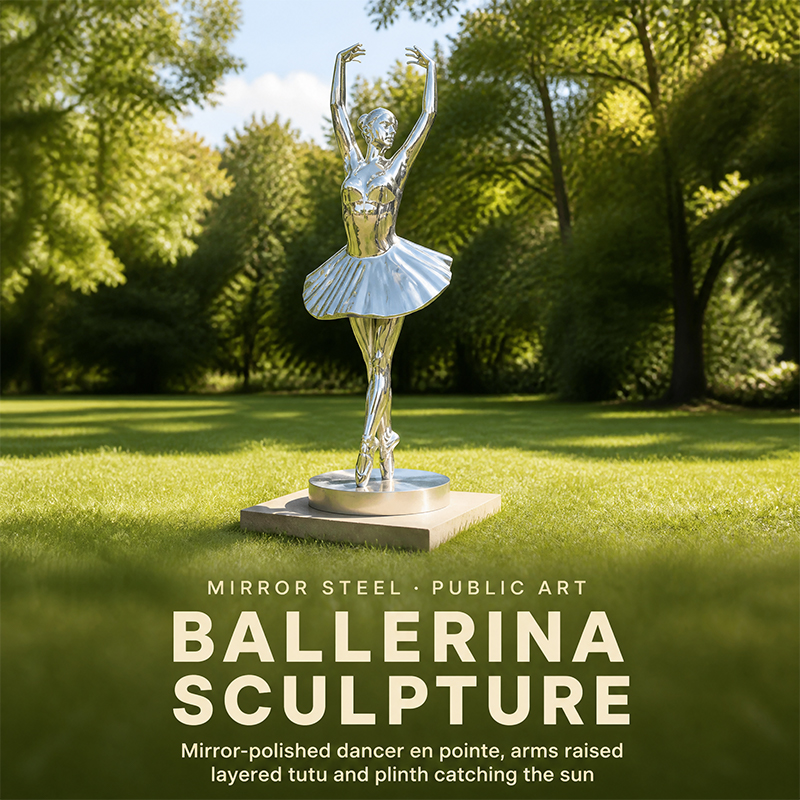 Life-Size Custom Mirror Polished Dancing Woman Stainless Steel Sculpture
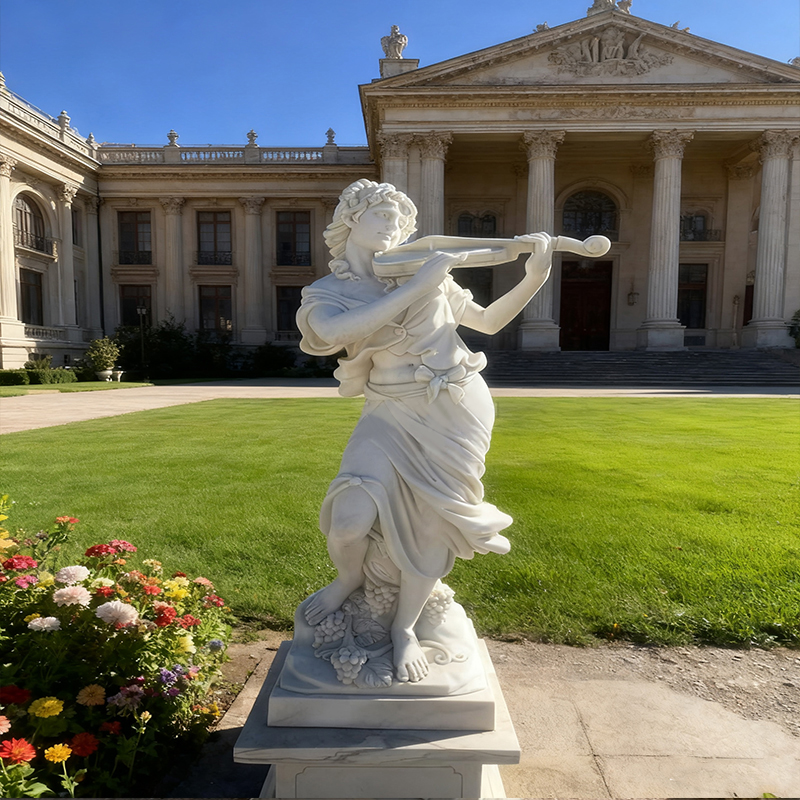 Marble Human Sculpture of a Flute Player
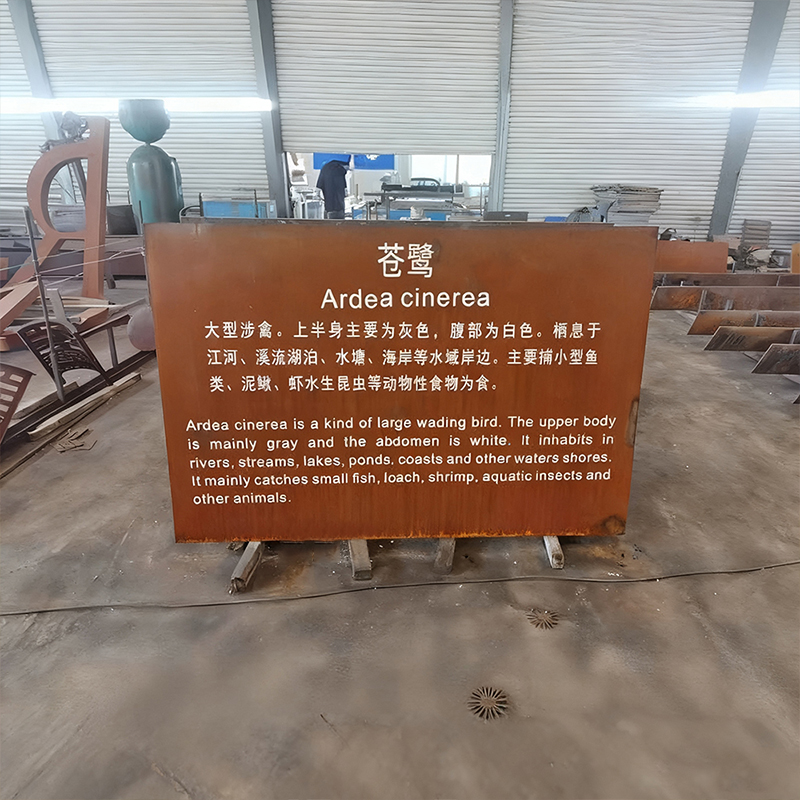 Weathering Steel Heron Science Education Weathering Steel Sign
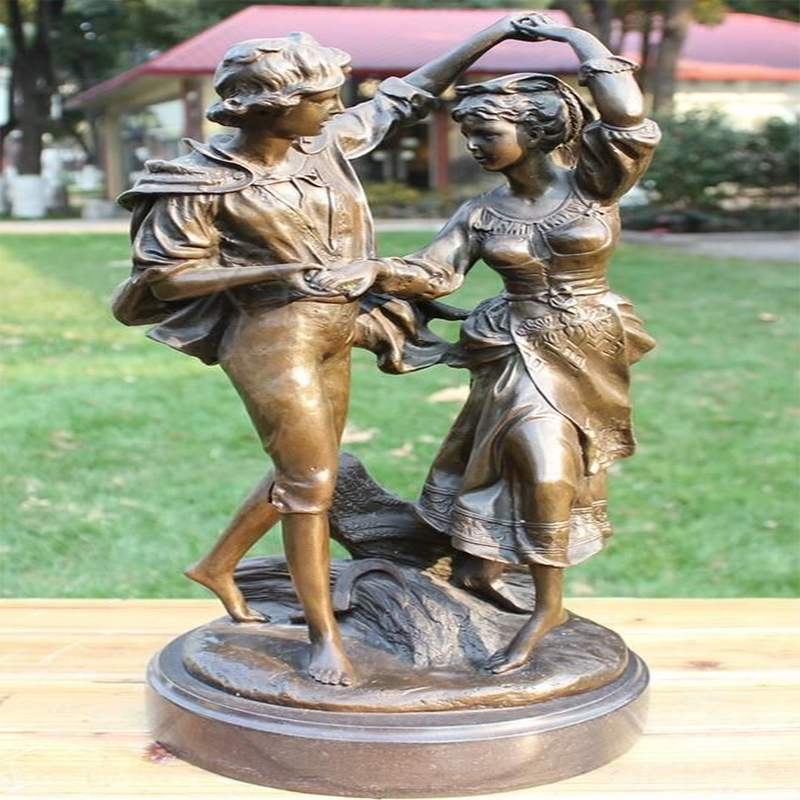 Bronze Life-Size Dancing Couple Sculpture – Heart Figure for Park Decoration
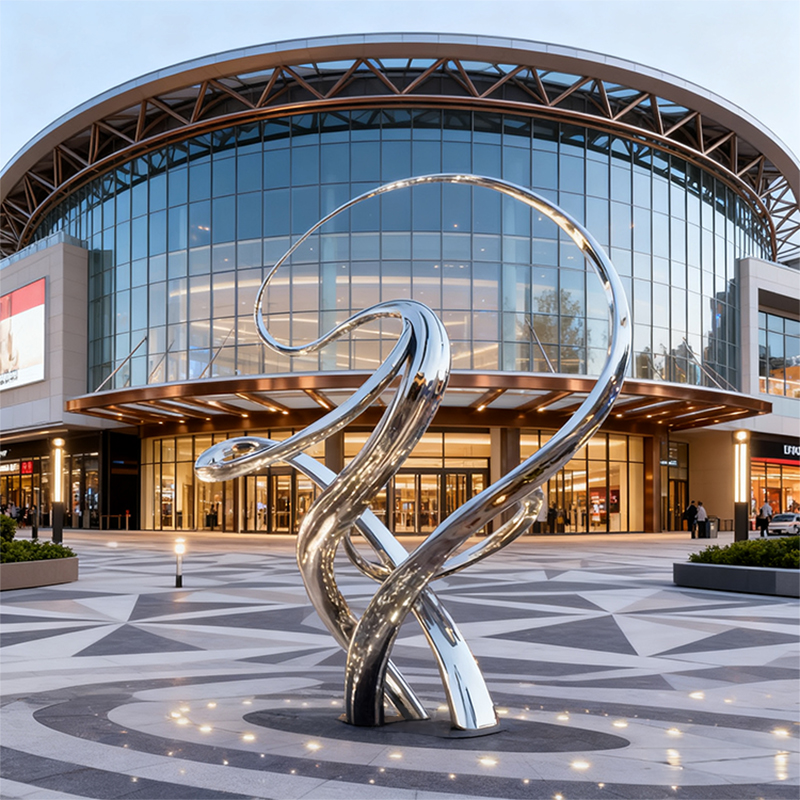 Streamlined Stainless Steel Sculpture
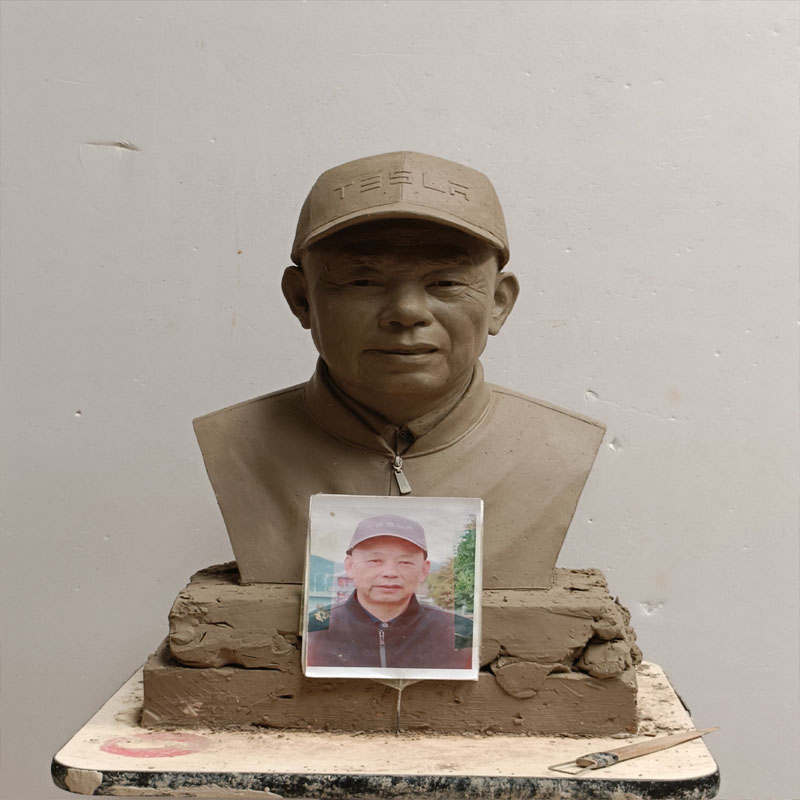 Custom Bronze Portrait Sculpture



Daniel H.
Amanda R.

Robert B.

Jennifer S.

James W.

Barry G.

Michael T.

Emily K.

David L.

Sarah M.


Mikey XV

Jagxue

 English
 Español
 عربى
 Français
 italiano
 Deutsch