Content
Animal sculptures have long served as powerful expressions of artistry, culture, and environmental storytelling. From roaring lions guarding the entrance of a corporate headquarters to playful dolphins adorning a seaside plaza, the material used to craft these works plays a decisive role in their longevity, visual impact, and practical performance. Among all available materials — bronze, stone, aluminum, resin — stainless steel has emerged as a preferred choice for artists, architects, and landscape designers worldwide. Its unique combination of structural strength, visual versatility, and environmental resilience makes it an unmatched medium for animal sculpture creation.
One of the most compelling reasons to use stainless steel in animal sculpture fabrication is its extraordinary durability. Unlike materials such as resin or cast plaster, stainless steel maintains its structural integrity under heavy stress, mechanical impact, and the test of time. Whether the sculpture is installed in a high-traffic urban environment or a remote natural setting, it can withstand physical contact, accidental collisions, and even vandalism without cracking or crumbling.
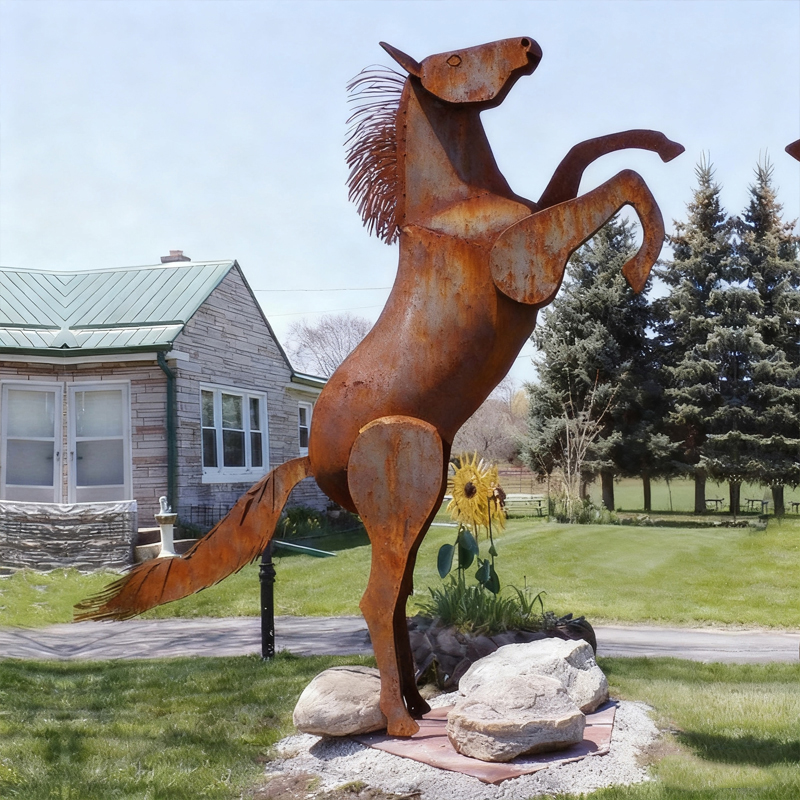
Stainless steel's high tensile strength also allows sculptors to create large-scale, intricate animal forms — such as life-sized horses, towering eagles, or detailed fish — that would be structurally impossible or impractical with softer materials. The material supports thin protruding features like fins, antlers, and tails without the risk of breakage, enabling a level of artistic detail that is simply unachievable with stone or wood.
Stainless steel gets its name from its defining characteristic — resistance to staining and corrosion. This property is primarily due to the chromium content in the alloy (typically 10.5% or more), which reacts with oxygen in the air to form a thin, self-repairing passive layer on the surface. This invisible protective film continuously regenerates, providing long-term protection against rust, oxidation, and surface degradation.
For outdoor animal sculptures, this weather resistance is critical. Sculptures installed in coastal environments are exposed to salt spray and high humidity; those in cold climates face freeze-thaw cycles and ice accumulation; urban pieces must endure acid rain and air pollution. Stainless steel — especially grades 304 and 316 — handles all these conditions reliably. Grade 316, with its added molybdenum content, is particularly recommended for marine or highly corrosive environments.
A comparison of common outdoor sculpture materials highlights stainless steel's clear advantage:
| Material | Corrosion Resistance | Lifespan (Outdoor) | Maintenance Needed |
| Stainless Steel | Excellent | 50+ years | Very Low |
| Bronze | Good | 30–50 years | Moderate |
| Cast Iron | Poor | 10–20 years | High |
| Resin/Fiberglass | Moderate | 10–15 years | Moderate |
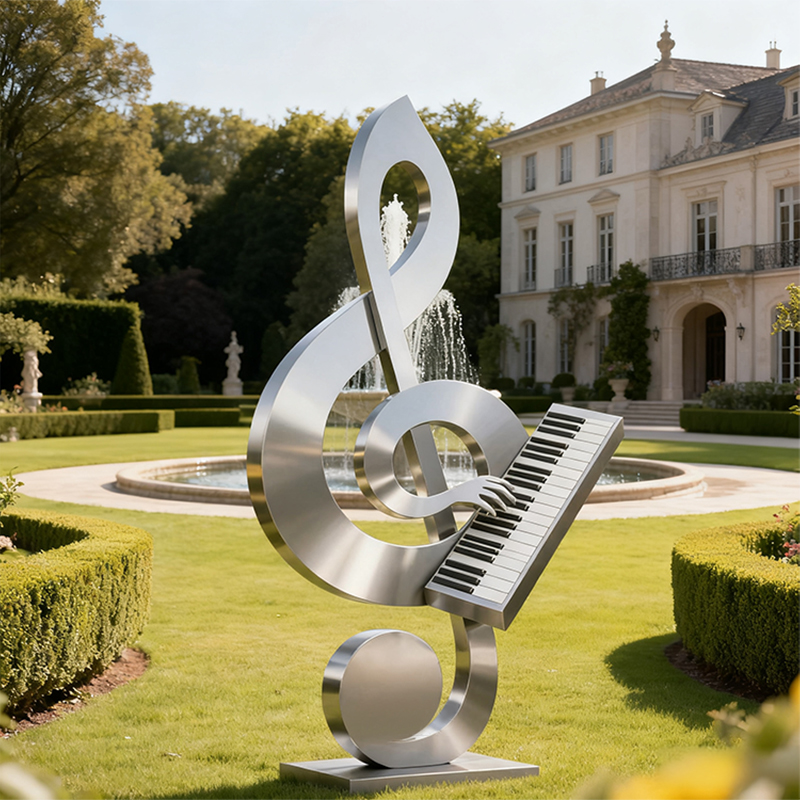
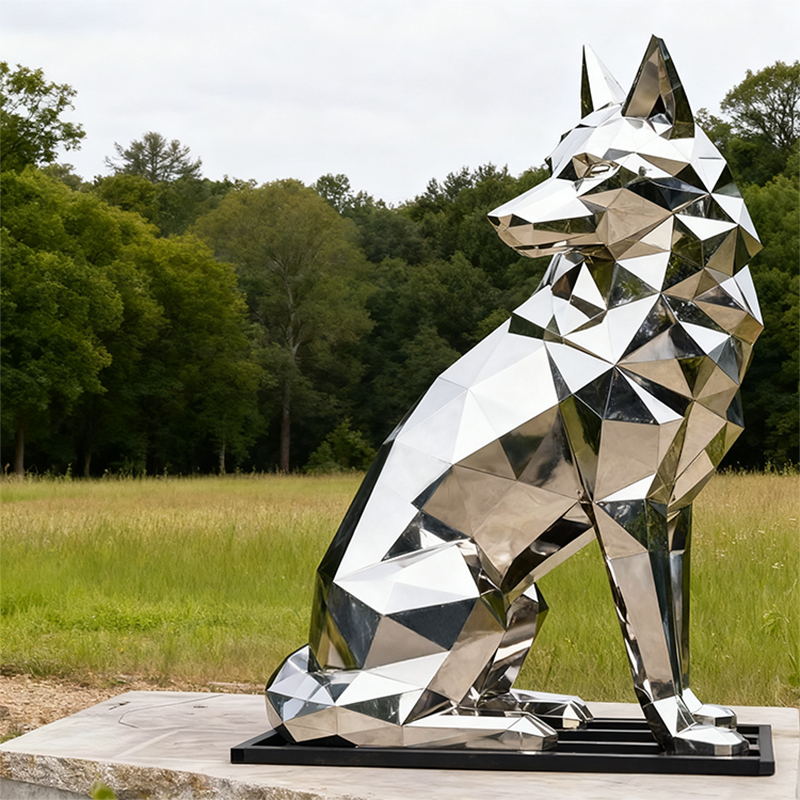
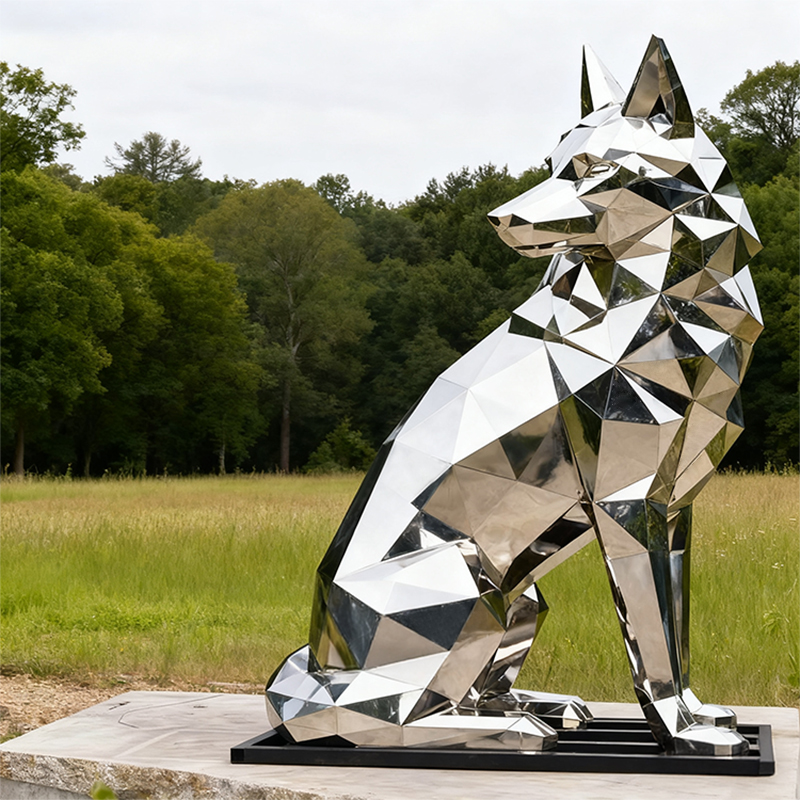
Beyond function, stainless steel offers an aesthetic richness that few materials can match. Its naturally bright, silvery surface creates a contemporary look that contrasts beautifully with natural surroundings — a gleaming wolf sculpture set against green park foliage, or a mirrored fish form reflecting sunlight beside a fountain. This visual dynamism makes stainless steel animal sculptures particularly effective as focal points in both modern and natural landscapes.
Artists and fabricators can also apply a wide range of surface treatments to achieve different aesthetic effects:
This versatility means a stainless steel bear sculpture can look warmly golden in a children's park or boldly black in a corporate lobby — the same base material serving entirely different design visions.
For public institutions, property developers, and private collectors, the cost of maintaining an outdoor sculpture over decades is a significant practical concern. Stainless steel animal sculptures drastically reduce this burden. Unlike bronze, which develops patina and may require periodic waxing or chemical treatment, or iron sculptures that demand rust-proofing and repainting, stainless steel needs minimal ongoing care.
Routine maintenance typically involves nothing more than occasional rinsing with water to remove dust or bird droppings, and periodic wiping with a mild detergent for more thorough cleaning. In most environments, an annual inspection and light cleaning is sufficient to keep the sculpture looking pristine for decades. This low-maintenance profile translates directly into reduced lifecycle costs, making stainless steel an economically smart choice over the full lifespan of the artwork.
Stainless steel's workability gives sculptors and fabricators an extraordinary degree of design freedom. It can be cut, bent, welded, polished, and shaped with high precision using modern CNC machinery, laser cutting tools, and hand-crafting techniques. This combination of technological and artisanal approaches allows for the production of both mass-reproducible designs and one-of-a-kind commissioned masterpieces.
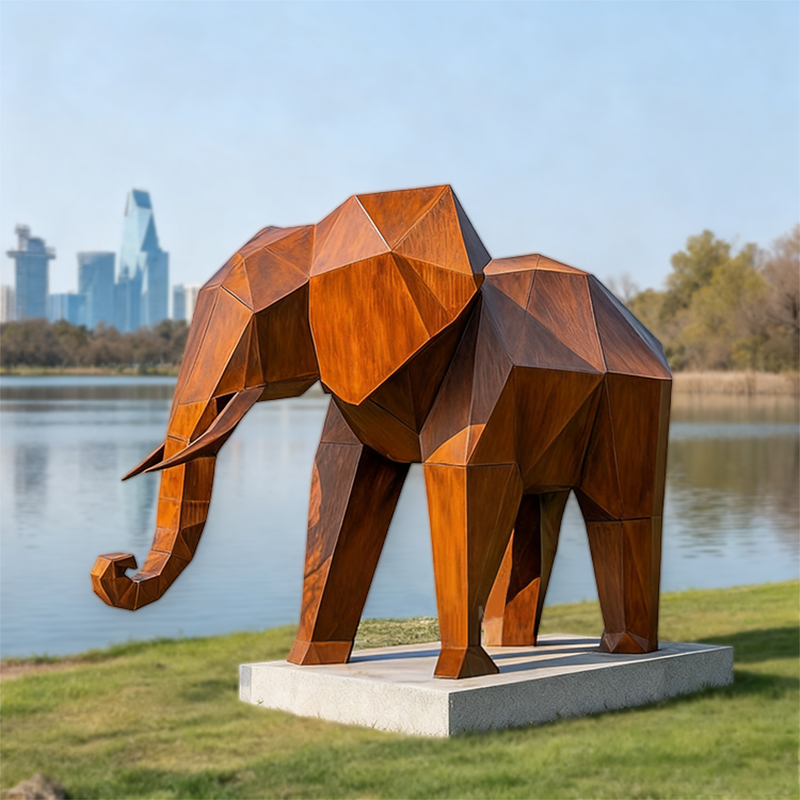
Modern stainless steel fabrication makes it possible to execute complex geometric interpretations of animals — such as a deer composed of angular flat plates or a bird rendered in sweeping curved sheets. These contemporary styles are difficult or impossible to achieve cleanly in cast stone or traditional bronze, but stainless steel handles them with precision and structural confidence.
At the other end of the design spectrum, skilled artisans can use stainless steel to produce hyper-realistic animal sculptures with intricate fur texture, feather detail, or scale patterns. Techniques such as chasing (hammering from the reverse side) and repoussé allow for fine surface detail that rivals the organic richness of bronze casting, while the material's strength ensures that those fine details survive decades of outdoor exposure intact.
As environmental responsibility becomes an increasingly important criterion in art and design decisions, stainless steel scores well on sustainability metrics. It is one of the most recyclable materials in industrial use — over 80% of stainless steel is eventually recycled at end of life with no degradation in material quality. This circular lifecycle significantly reduces its environmental footprint compared to materials that end up in landfill or require energy-intensive replacement cycles.
Additionally, because stainless steel animal sculptures last so long without replacement, they require fewer production cycles over time, which itself reduces cumulative energy consumption and raw material extraction. Choosing a stainless steel sculpture is, in many ways, a long-term environmental investment as well as an artistic one.
The practicality of stainless steel animal sculptures extends to the wide range of environments in which they can be successfully installed. Their resistance to humidity makes them suitable for water features and indoor pools. Their strength supports monumental scale installations in public parks, airports, and hotel lobbies. Their clean aesthetic integrates with both ultra-modern architecture and traditional garden designs. Common installation contexts include:
When evaluating the true cost of a stainless steel animal sculpture versus alternatives, the calculation must account for the full lifecycle — not just the initial purchase price. While stainless steel may carry a higher upfront cost than resin or aluminum, its combination of durability, low maintenance, and decades-long lifespan means the total cost of ownership is often significantly lower. A well-crafted stainless steel elephant sculpture installed today can still look magnificent 40 years from now with minimal intervention, while a resin equivalent may need replacement within 15 years.
This long-term value proposition is why stainless steel animal sculptures are consistently chosen for high-profile permanent installations around the world. They are not temporary decorations but enduring works that grow in cultural and monetary value over time, proving their worth as both artistic statements and sound infrastructure investments.



Daniel H.

Amanda R.

Robert B.

Jennifer S.

James W.

Barry G.

Michael T.

Emily K.

David L.

Sarah M.


Mikey XV

Jagxue

 English
 Español
 عربى
عربى Français
 italiano
 Deutsch