
Content
Bronze human figures are among the most enduring art forms in human history. From ancient Greek sculptures to modern decorative statues, bronze has proven itself as a material capable of surviving thousands of years under the right conditions. But how long can a bronze human figure actually last, and what factors determine whether it survives for decades or millennia? Understanding the lifespan of bronze artwork requires a look at the material itself, environmental influences, and the care it receives over time.
Bronze is an alloy primarily composed of copper and tin, sometimes with small additions of zinc, lead, or other metals. This combination creates a material that is naturally resistant to corrosion, making it far more durable than iron or steel. When exposed to the elements, bronze does not rust in the same destructive way that iron does. Instead, it develops a patina — a layer of copper carbonate or other compounds — that actually protects the surface beneath.
Archaeological evidence confirms that bronze objects have survived for over 5,000 years. The Bronze Age, which began around 3300 BCE in parts of the Middle East, left behind countless artifacts that remain intact today. Ancient bronze human figures discovered in Greece, China, and Egypt demonstrate that, under favorable conditions, bronze can essentially last indefinitely. In practice, most well-maintained bronze sculptures are expected to outlast any human institution that cares for them.
While bronze is naturally long-lasting, its actual lifespan in any given situation depends on several key variables. These factors can either dramatically extend or significantly shorten how long a bronze human figure remains in good condition.
The environment in which a bronze figure is placed plays the largest role in determining its longevity. Outdoor bronze sculptures face UV radiation, acid rain, humidity fluctuations, and airborne pollutants. Urban environments are particularly harsh due to sulfur dioxide and nitrogen oxide emissions from vehicles and industry, which accelerate chemical reactions on the bronze surface. Coastal areas introduce salt spray, which can also speed up corrosion. Indoor bronze figures, by contrast, are shielded from most of these threats and can remain stable for centuries with minimal intervention.
Not all bronze is created equal. The specific ratio of copper to tin, as well as the presence of impurities or intentional additives, affects the corrosion resistance of the final product. High-quality art bronze typically contains around 90% copper and 10% tin, a composition that offers excellent durability. Lower-quality alloys, or those with higher lead content, may be more prone to surface degradation over time. When investing in a bronze human figure meant to last generations, the quality of the alloy is an important consideration.
A naturally formed or chemically applied patina can serve as a protective barrier for bronze. The green or brown surface commonly seen on older bronze statues is not merely decorative — it significantly slows further chemical reactions. However, not all patinas are stable. Bronze disease, a form of active corrosion caused by chloride compounds, can appear as bright green powdery spots and must be treated promptly. Many conservators apply protective wax coatings to outdoor bronze figures, which need to be reapplied every one to three years to remain effective.
To give a clearer picture of how long a bronze human figure can last, the following table compares expected lifespans across different environments and care levels:
| Condition | Estimated Lifespan | Key Risk Factors |
| Indoor, climate-controlled, well-maintained | 500–5,000+ years | Physical damage, neglect |
| Outdoor, dry/rural, regular maintenance | 100–500 years | UV, moisture, acid rain |
| Outdoor, urban/coastal, minimal care | 30–100 years | Pollution, salt, bronze disease |
| Buried underground (archaeological context) | 1,000–5,000+ years | Soil chemistry, chlorides |
Recognizing early signs of deterioration allows collectors and owners to intervene before serious damage occurs. Common warning signs include:

Proper care dramatically extends the life of any bronze human figure. Whether you own a small decorative piece or a large outdoor monument, following established preservation practices can add decades or even centuries to its lifespan.
Clean bronze figures periodically using a soft cloth and mild, non-abrasive soap diluted in water. Avoid harsh chemicals, solvents, or abrasive scrubbing pads, as these can damage the patina or the surface of the metal. For outdoor sculptures, a gentle rinse with clean water helps remove accumulated pollutants and bird droppings, both of which can accelerate corrosion if left in place. Cleaning should be done at least once or twice a year for outdoor figures, and less frequently for indoor pieces.
Applying a high-quality microcrystalline wax or Renaissance Wax to the surface of a bronze figure creates a moisture barrier that slows oxidation and environmental damage. This is particularly important for outdoor sculptures. The wax should be applied in thin, even layers using a soft brush, then buffed to a gentle sheen. In outdoor settings, this treatment should be repeated annually or after periods of heavy rain or extreme temperature changes.
For collectors storing bronze figures, maintaining a stable environment is critical. Relative humidity should be kept between 40% and 55%, as both very high and very low humidity can cause problems. Extreme temperature fluctuations cause the metal to expand and contract repeatedly, which can lead to cracking over time. Avoid storing bronze in basements prone to flooding or near heat sources such as radiators.
When deterioration is detected, consulting a professional conservator is strongly recommended. Attempting to remove bronze disease or repair structural damage without proper training can cause irreversible harm. Professional conservators use specialized chemical treatments such as benzotriazole to neutralize active corrosion and stabilize the surface. For historically significant or high-value bronze human figures, periodic professional inspection every five to ten years is considered best practice.
History offers compelling proof of bronze's extraordinary durability. The Riace bronzes, discovered off the coast of Italy in 1972, are ancient Greek warrior figures dating back to around 450 BCE — over 2,400 years old and still remarkably well preserved. The Dancing Girl of Mohenjo-daro, a small bronze figurine found in modern-day Pakistan, dates to approximately 2500 BCE, making it nearly 4,500 years old. These examples demonstrate that with the right conditions — in both cases, the figures were largely protected from open-air exposure — bronze human figures can survive for thousands of years with their form and detail largely intact.
Modern outdoor bronze monuments, such as the Statue of Liberty's torch components or countless public memorial figures around the world, continue to stand after more than a century of exposure, thanks to ongoing maintenance programs. This illustrates that even in harsh outdoor environments, consistent care allows bronze to perform far beyond initial expectations.
A bronze human figure is not merely a piece of art — it is a long-term investment in a material that has outlasted civilizations. Under ideal indoor conditions with attentive care, a bronze figure can theoretically last for thousands of years. Even in challenging outdoor environments, regular maintenance can extend its life to several centuries. The key to maximizing longevity lies in understanding the threats bronze faces, recognizing early signs of damage, and committing to a consistent preservation routine. Whether you are a private collector, a public institution, or an artist, taking proper care of a bronze human figure ensures that it will continue to inspire and endure for generations to come.
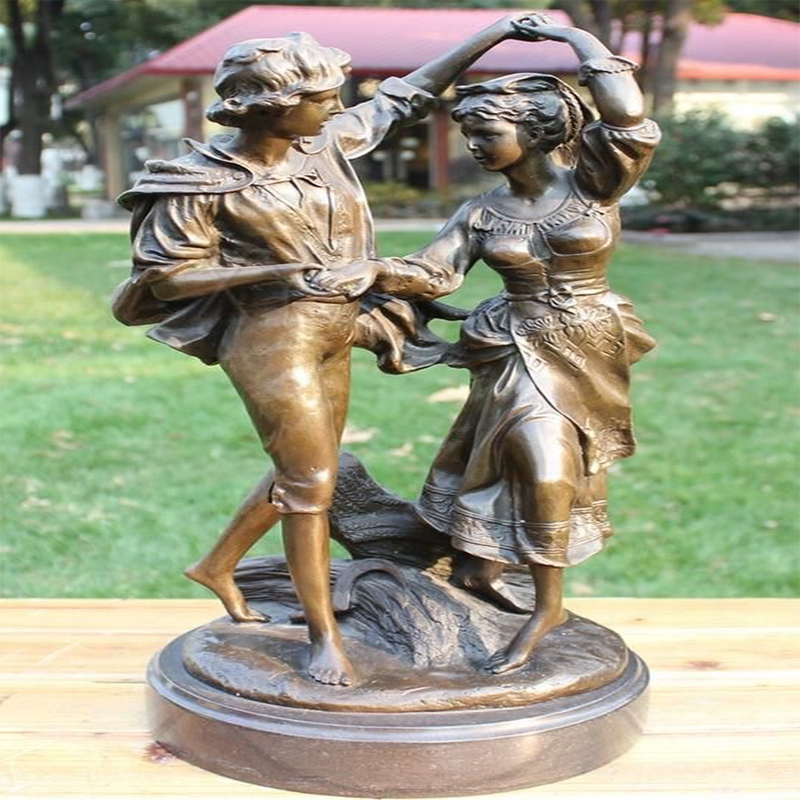 Bronze Life-Size Dancing Couple Sculpture – Heart Figure for Park Decoration
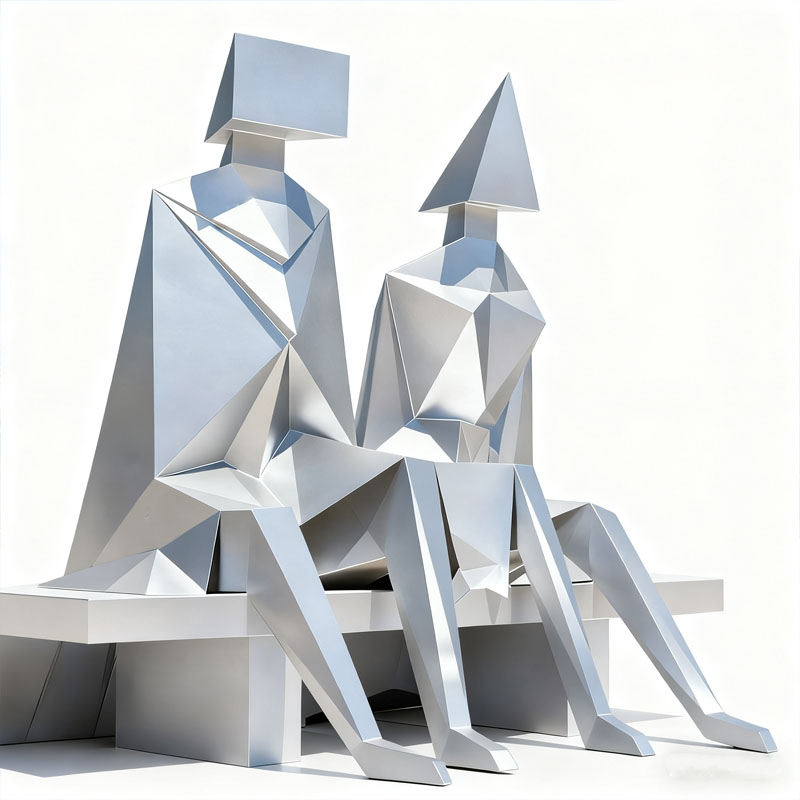 Geometric Stainless Steel Human Figure Sculpture
 Bronze Flower Fairy Sculpture
 Bronze Parent-Child Reading Sculpture – Modern Artistic Design
 Bronze Libra Lady Justice Sculpture – Metal Model
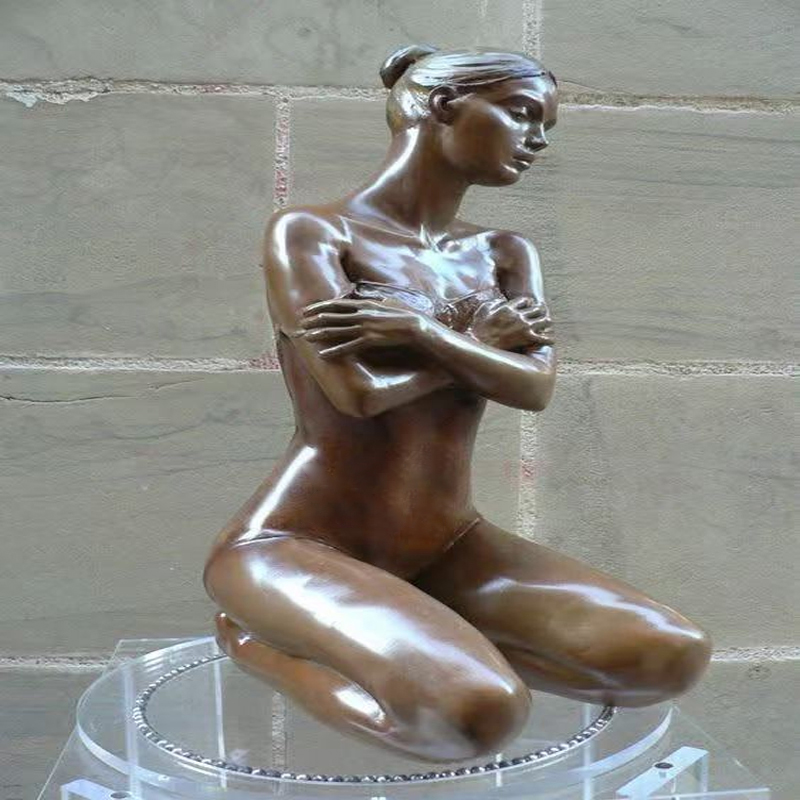 Bronze Female Nude Sculpture – Garden Decoration



Daniel H.

Amanda R.

Robert B.

Jennifer S.

James W.

Barry G.

Michael T.

Emily K.

David L.

Sarah M.


Mikey XV

Jagxue

 English
 Español
 عربى
عربى Français
 italiano
 Deutsch