Content
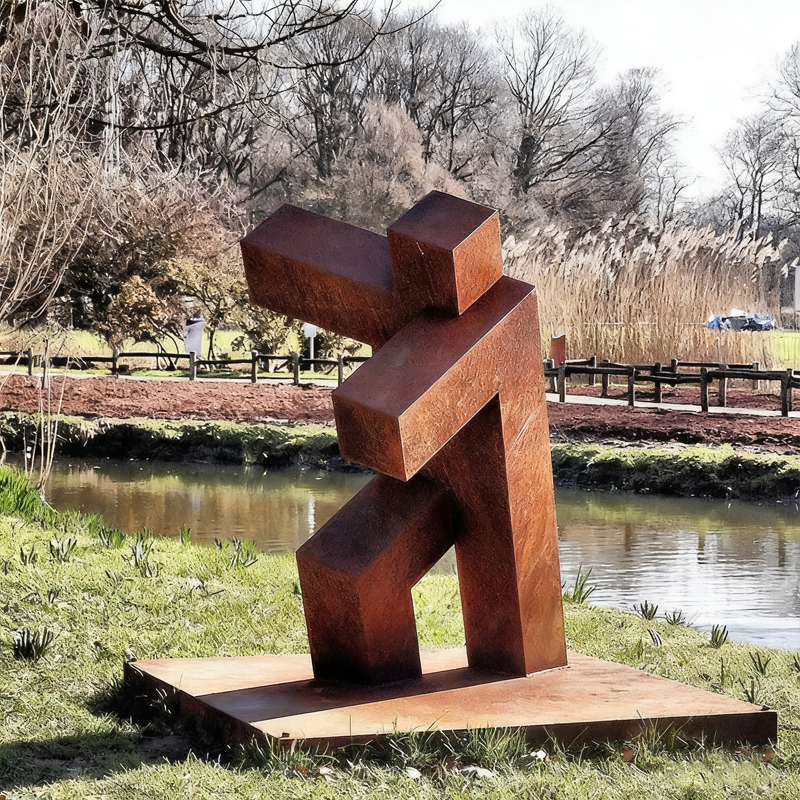
Weathering steel sculptures have become a defining feature of modern public art and architectural landscapes. Often recognized by their rich reddish-brown patina, these works transform rust into an artistic element rather than a form of decay. Unlike traditional metals that corrode and weaken over time, weathering steel develops a stable, protective layer of oxidation that enhances both its durability and aesthetic appeal.
This unique combination of industrial strength and natural transformation has made weathering steel a favorite medium for sculptors seeking to merge art, engineering, and nature.
Weathering steel, often known under trade names such as COR-TEN steel, is designed to form a stable rust-like appearance after exposure to the elements. This controlled oxidation process creates a protective barrier that prevents deeper corrosion.
Unlike conventional steel, which requires paint or coatings, weathering steel evolves naturally when exposed to cycles of wet and dry weather. This makes it ideal for outdoor sculptures that must endure changing climates while maintaining visual integrity.
Rust is often associated with decay, but in weathering steel sculptures, it becomes a source of beauty. The evolving surface tones—from orange to deep brown—create a dynamic visual experience that changes with light, weather, and time.
Artists intentionally use this transformation to symbolize concepts such as:
The performance of weathering steel lies in its unique chemical composition, which includes copper, chromium, nickel, and phosphorus. These elements contribute to the formation of a dense, adherent oxide layer that slows further corrosion.
The rusting process typically follows these stages:
Once stabilized, the material requires minimal maintenance, making it highly suitable for large-scale outdoor installations.
Sculptors who work with weathering steel often embrace unpredictability as part of the creative process. The environment plays an active role in shaping the final appearance of the artwork, meaning no two sculptures age in exactly the same way.
This collaboration between artist and environment reflects a broader philosophy:
| Material | Durability | Maintenance | Aesthetic Character |
| Weathering Steel | High, self-protective layer | Low | Evolving rust patina |
| Stainless Steel | Very high | Very low | Shiny, reflective |
| Bronze | High | Medium polishing required | Green patina over time |
One of the most fascinating aspects of weathering steel sculptures is their interaction with the environment. Rain, humidity, sunlight, and air pollution all influence the speed and texture of the rust development.
Over time, the sculpture becomes a record of its environment, reflecting seasonal changes and climatic conditions. This makes each piece unique not only in design but also in its life history.
Weathering steel has been widely adopted in public installations, urban landmarks, and architectural facades. Its industrial yet organic look blends well with both natural and urban settings.
Common applications include:
While weathering steel is known for its low maintenance, proper design and placement are essential to ensure long-term performance. Good drainage and airflow help the material form a stable protective layer more efficiently.
In some cases, designers may apply sealants during early stages to control rust runoff and staining of surrounding surfaces. However, once stabilized, the sculpture requires little to no ongoing treatment.
Weathering steel sculptures often carry deep symbolic meaning. The visible transformation of metal over time reflects broader themes of aging, resilience, and coexistence with nature.
For many viewers, these sculptures evoke a sense of permanence within impermanence—structures that change yet endure, much like human experience itself.
Weathering steel sculptures redefine traditional ideas of beauty by embracing rust as a creative force rather than a destructive one. Their evolving surfaces, structural strength, and minimal maintenance requirements make them both practical and poetic.
As contemporary art continues to explore the relationship between nature and industry, weathering steel remains a powerful medium that captures the beauty of time, transformation, and endurance.
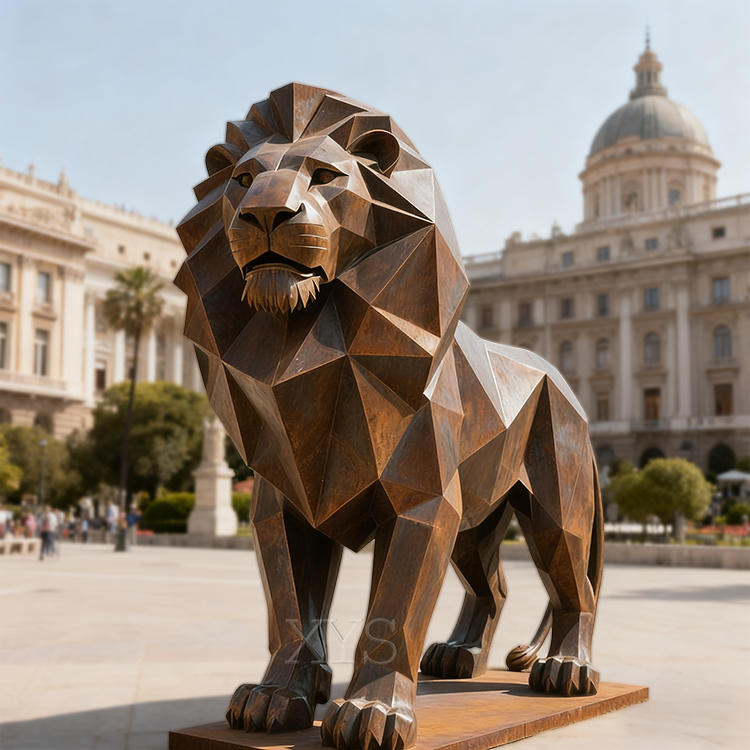 Weathering Steel Faceted Geometric Lion Animal Sculpture
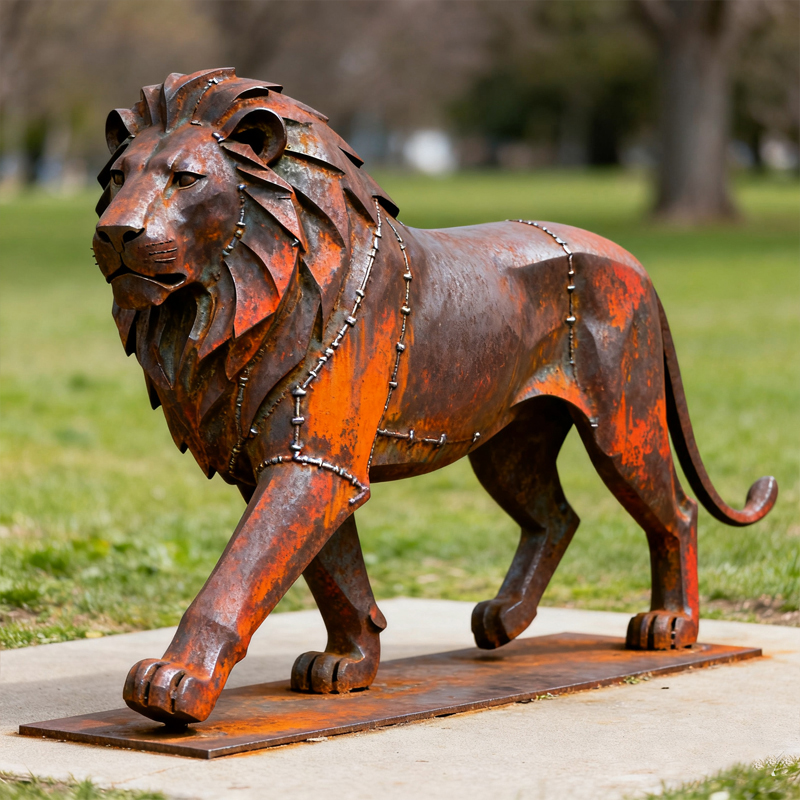 Weathering Steel Welded-Panel Lion Animal Sculpture
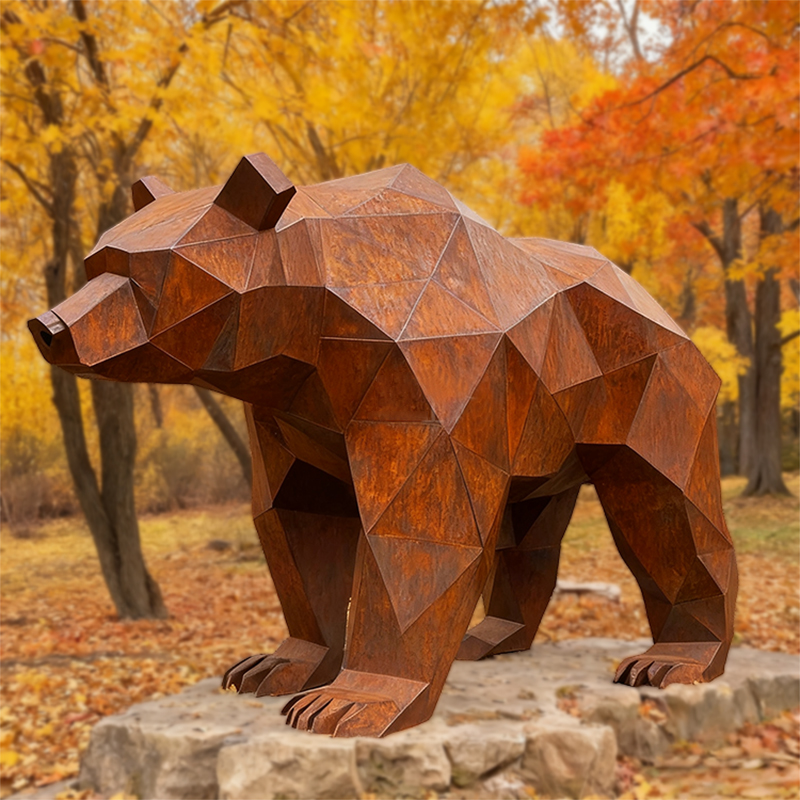 Weathering Steel Faceted Geometric Bear Animal Sculpture
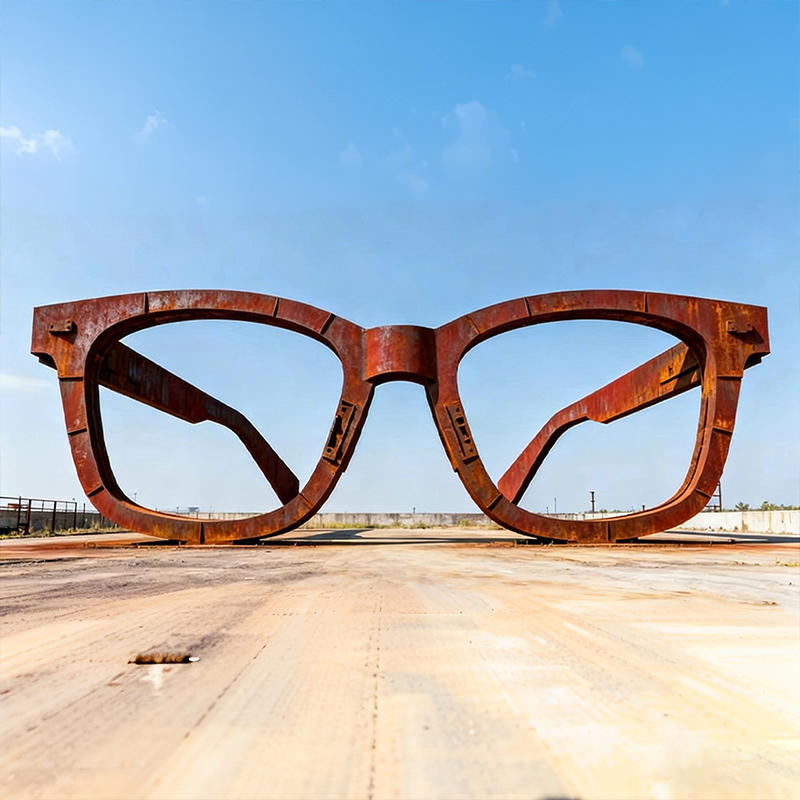 Weathering Steel Giant Eyeglasses Sculpture
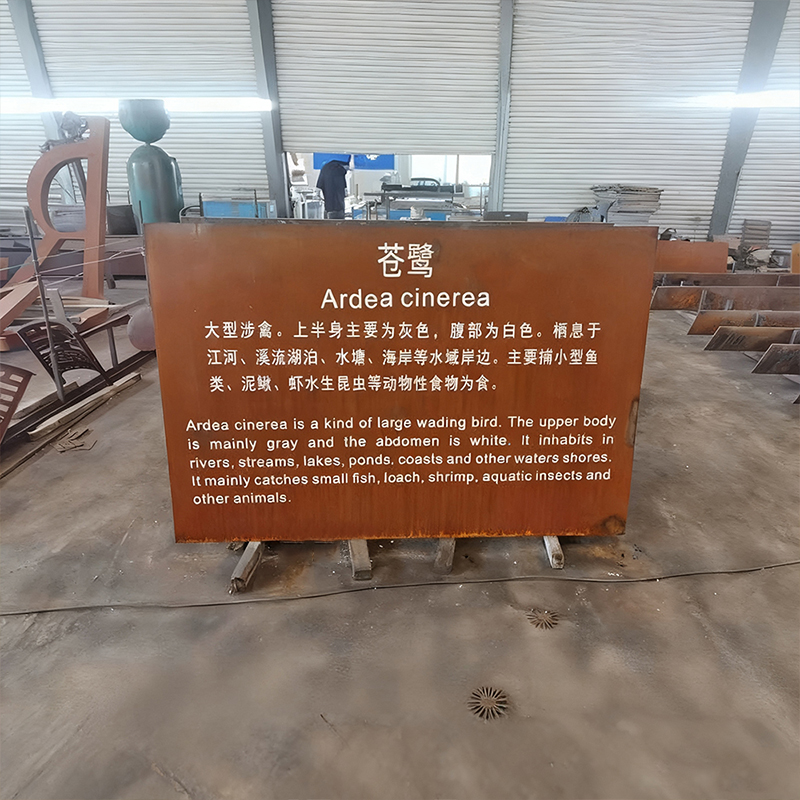 Weathering Steel Heron Science Education Weathering Steel Sign
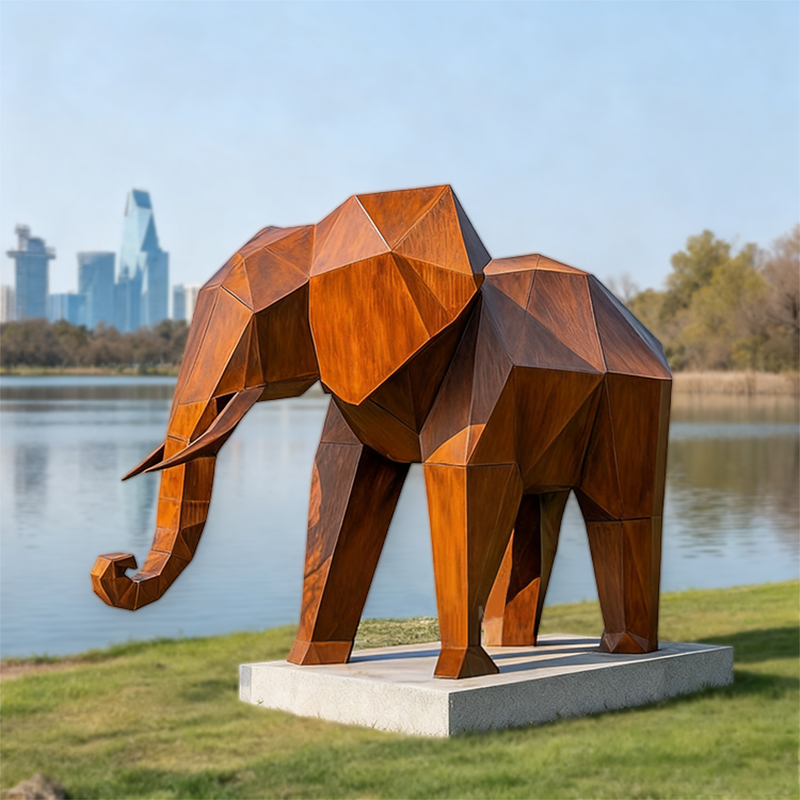 Weathering Steel Faceted Geometric Elephant Animal Sculpture



Daniel H.

Amanda R.

Robert B.

Jennifer S.

James W.

Barry G.

Michael T.

Emily K.

David L.

Sarah M.


Mikey XV

Jagxue

 English
 Español
 عربى
عربى Français
 italiano
 Deutsch