Bronze animal sculptures occupy a unique position in both the fine art world and the interior design market. Walk through a high-end gallery, a corporate lobby, a heritage garden, or a carefully curated living room, and the odds are strong that at least one cast bronze animal will anchor the space. This is not coincidence. The popularity of bronze animal sculpture is the product of converging factors — material properties, cultural history, artistic tradition, and a very practical set of advantages that no other medium fully replicates. Understanding why these works endure helps collectors, designers, and buyers make more confident, informed decisions.
Content
The physical properties of bronze — an alloy typically composed of approximately 88% copper and 12% tin, with small additions of zinc or lead depending on the casting application — make it extraordinarily well matched to the demands of animal representation. Animals in sculpture present specific technical challenges: fine surface detail (fur, feather, scale texture), dynamic poses with thin unsupported limbs, and the need for pieces that survive outdoor environments without deteriorating. Bronze addresses all of these simultaneously.
When molten bronze is cast using the lost-wax (cire perdue) process, it captures surface detail at a resolution that stone carving and resin casting cannot match. A sculptor working in wax can render individual feather barbs on a hawk, the wrinkled skin of an elephant's knee, or the tension in a leaping fox's haunches, and the bronze casting will faithfully reproduce those details in a form that will outlast virtually every other sculptural medium. Bronze also has a tensile strength of roughly 200–800 MPa depending on alloy composition, meaning slender extended limbs — a galloping horse's legs, a heron's neck — hold their form without requiring internal armatures visible to the viewer.
Outdoor durability is equally critical. Bronze develops a natural patina — verdigris and other copper carbonates — when exposed to weather, and this patina actually protects the underlying metal from further corrosion. Well-maintained outdoor bronze sculptures have documented lifespans exceeding 2,000 years, as evidenced by surviving Hellenistic and Roman bronzes. No polymer resin, painted steel, or reconstituted stone product comes close to that permanence, which matters deeply to buyers investing in significant decorative or collectible pieces.
The association between bronze and animal imagery is not a modern aesthetic trend — it runs through almost every major artistic tradition in human history, and that accumulated cultural weight contributes significantly to why bronze animal sculptures feel significant in a way that aluminium or resin equivalents do not.
In ancient China, ritual bronze vessels from the Shang Dynasty (c. 1600–1046 BCE) incorporated stylised animal motifs — taotie masks, dragons, and birds — as expressions of cosmological belief and ancestral power. The Chinese zodiac animals in particular have sustained a continuous tradition of bronze animal sculpture from antiquity to the present day, with contemporary collectors worldwide seeking both antique examples and high-quality modern castings. In ancient Greece and Rome, bronze horses, bulls, and eagles served as votive offerings, military trophies, and markers of civic status. Renaissance sculptors like Donatello and Giambologna revived classical bronze casting techniques to produce animal and mythological works that remain benchmarks of the medium. French animalier sculptors of the 19th century — Antoine-Louis Barye most prominently, followed by Pierre-Jules Mêne and Rosa Bonheur — elevated animal sculpture to a serious fine art genre, producing highly detailed naturalistic works of lions, tigers, horses, deer, and dogs that still command significant prices at auction and set the visual language for much contemporary bronze animal work.
This unbroken lineage means that acquiring a bronze animal sculpture connects the buyer to a tradition of connoisseurship and artistic seriousness that transcends decorative fashion. It is a purchase with cultural depth, not just aesthetic appeal.
Animals carry layered symbolic meanings that give sculptural representations an expressive range that abstract or human-figure sculpture does not always achieve. Buyers choose specific animals for specific reasons, and this intentionality is part of what drives demand. The symbolic associations most commonly cited in collector and design contexts include:
The ability to select an animal whose symbolism aligns with the buyer's values, aspirations, or cultural background gives bronze animal sculpture a personalisation dimension that purely decorative objects lack. This is a meaningful driver of purchase decisions rather than a superficial one.
One of the practical reasons bronze animal sculptures maintain broad appeal across design disciplines is their extraordinary contextual versatility. Unlike medium-specific decorative objects that only work within a narrow stylistic range, bronze pieces adapt — sometimes surprisingly — across very different environments.
Interior designers use bronze animal sculptures as focal points in traditional, transitional, and contemporary schemes alike. A highly detailed animalier-style stag works naturally in a library or study with leather furniture and dark wood. A simplified, abstracted bronze cat or rabbit functions equally well in a minimalist Scandinavian-influenced living room. The warm, rich tone of natural bronze patina introduces an organic warmth into spaces dominated by stone, glass, or pale plaster that few other decorative objects achieve. Tabletop pieces (typically under 30 cm) serve as accent objects on consoles, mantels, and bookshelves, while floor-standing pieces (60 cm and above) function as room-defining sculptural statements.
Bronze outperforms every competing material in garden sculpture contexts. Cast stone weathers and erodes. Resin discolours, cracks in frost, and fades under UV exposure. Painted steel corrodes. Bronze, by contrast, develops a living patina that integrates naturally into planted environments, shifting in tone with the seasons and the growth of surrounding plants. Life-size or oversized animal sculptures — a heron at a pond edge, a family of rabbits in a lawn, a rearing horse in a paddock setting — create landscape anchors that endure across decades without restoration. This practical durability is a significant factor for estate managers, landscape architects, and serious garden designers who specify bronze specifically because it will not require replacement within the projected ownership horizon of the project.
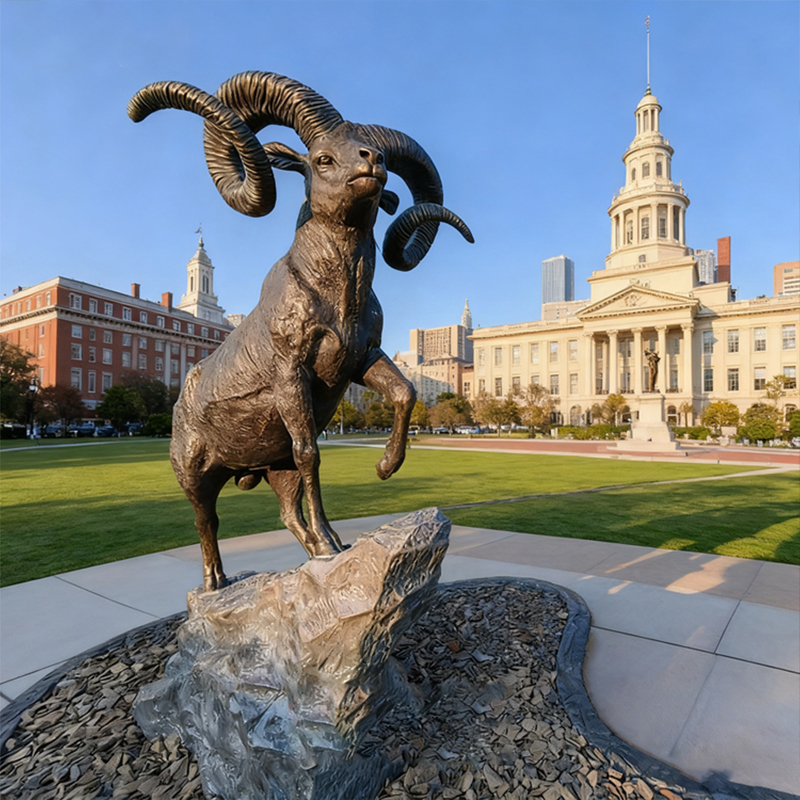
Bronze animal sculptures occupy a respected position in the collectible art market, and this adds a financial dimension to their appeal that purely decorative objects cannot offer. Signed, limited-edition bronzes by established sculptors hold and frequently appreciate in value over time. Major auction houses — Christie's, Sotheby's, Bonhams — regularly feature 19th-century animalier bronzes and contemporary wildlife sculpture in dedicated sales, with strong works by recognised artists achieving prices from tens of thousands to several hundred thousand pounds or dollars.
The edition structure of bronze sculpture is fundamental to understanding its market value. Responsible foundries and sculptors cast limited editions — typically numbered from 1/9 to 9/9, plus artist's proofs — with certificates of authenticity. Each casting is slightly unique due to the handcrafted nature of the lost-wax process, adding individual character. When the edition is complete and the mould retired, scarcity is established, which underpins secondary market value. Buyers who purchase within an edition early may see appreciation as later numbers sell and the edition closes. This is a purchasing dynamic entirely absent from mass-produced resin or cold-cast reproductions, which are typically unlimited and depreciate immediately.
For buyers combining decorative intent with asset preservation, bronze animal sculpture represents a category where the piece can function aesthetically in a home or garden for decades while maintaining or building monetary value — a combination that very few other decorative art forms offer.
The popularity of bronze animal sculpture has inevitably produced a market for lower-quality substitutes. Understanding what separates genuine investment-grade bronze from mass-produced imitations protects buyers and clarifies why original works command the prices they do.
Genuine bronze castings are significantly heavier than cold-cast resin or bonded bronze equivalents of the same apparent size — a meaningful quality indicator when comparing pieces physically. The patina on genuine bronze develops organically and varies across the surface; artificially applied patinas on resin pieces tend to be uniform and flat. Under magnification, lost-wax bronze shows the fine surface detail captured from the original wax model; resin pieces often show a slightly soft or grainy texture that lacks crispness in fine areas.
Key quality indicators to look for when purchasing include:
The gap in quality between a properly cast, hand-finished limited-edition bronze and a mass-produced cold-cast resin imitation is enormous, and that gap explains — and justifies — the price differential. For buyers entering the market, handling both types in person before purchasing is invaluable.
Beneath all the material science, cultural history, and market economics, there is a simpler truth about why bronze animal sculptures remain so enduringly popular: animals provoke a genuine emotional response in most people, and bronze renders them with a lifelike presence and permanence that no other medium matches at equivalent scale and durability. A beautifully cast bronze of a subject animal — whether it is a predator caught mid-leap, a bird poised at the moment before flight, or a domestic animal in a posture of trust and calm — creates an empathetic connection in the viewer that abstract sculpture rarely achieves with the same immediacy. That emotional directness, combined with the tactile richness of bronze's surface and weight, makes these objects satisfying to live with across decades in a way that purely decorative items are not. It is that combination — beauty, meaning, durability, and emotional resonance — that keeps bronze animal sculpture central to art collections and interior design at every level of the market.
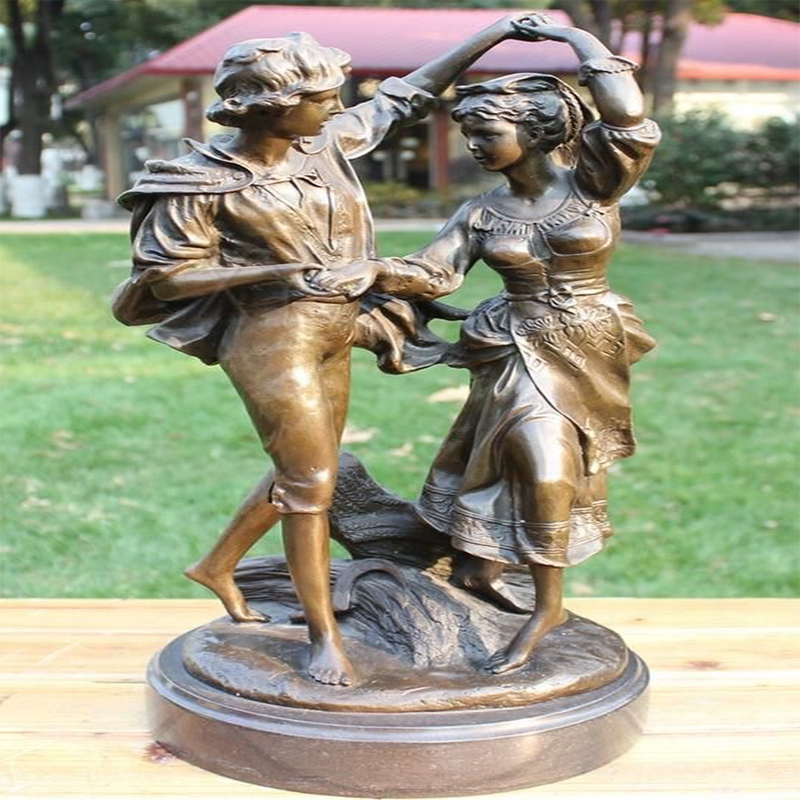 Bronze Life-Size Dancing Couple Sculpture – Heart Figure for Park Decoration
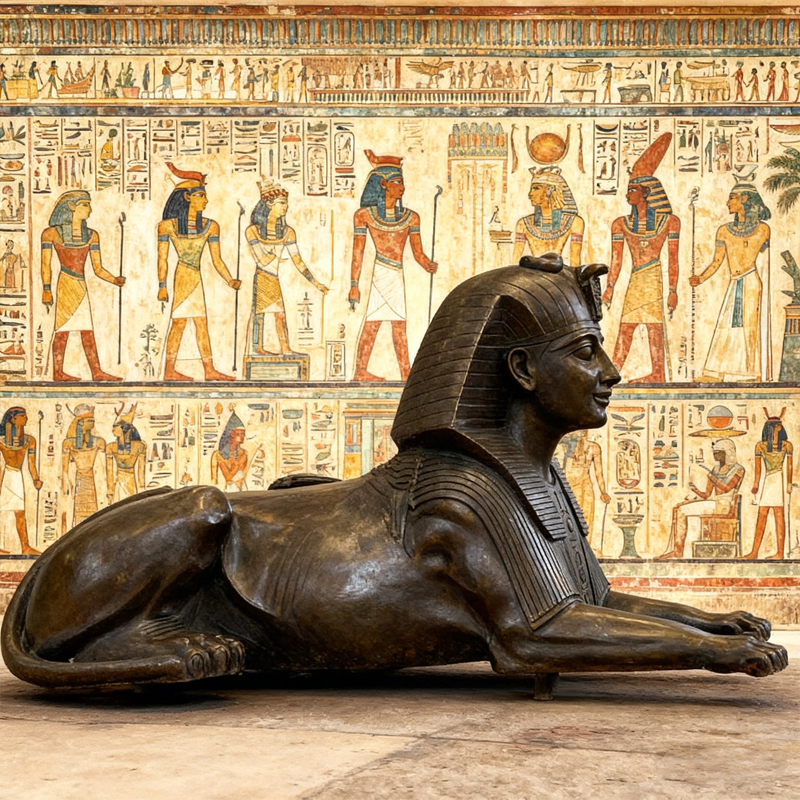 Bronze Large Sphinx Sculpture – Ancient Egyptian Mythology
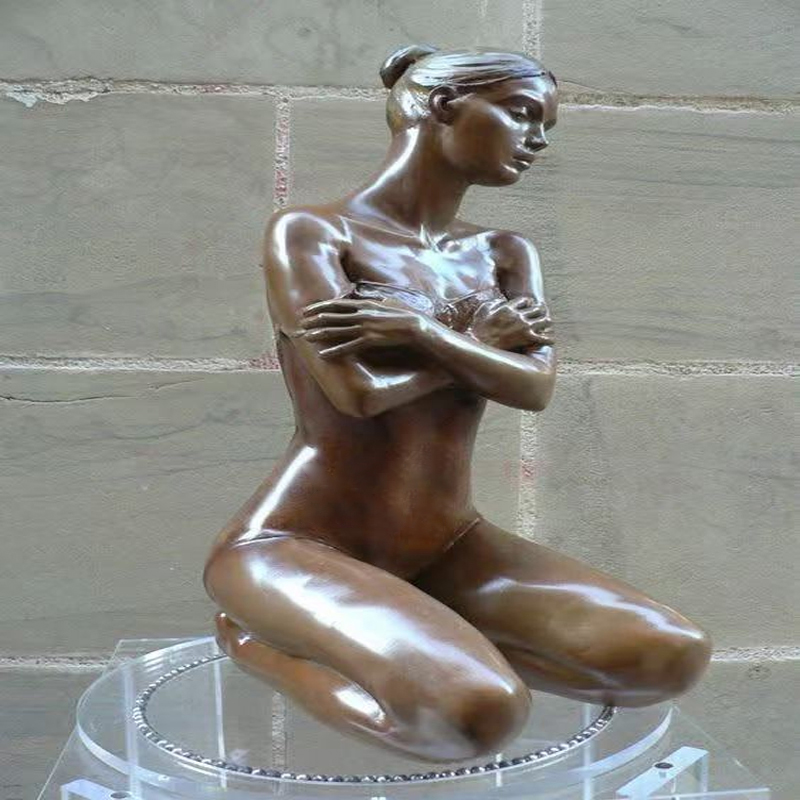 Bronze Female Nude Sculpture – Garden Decoration
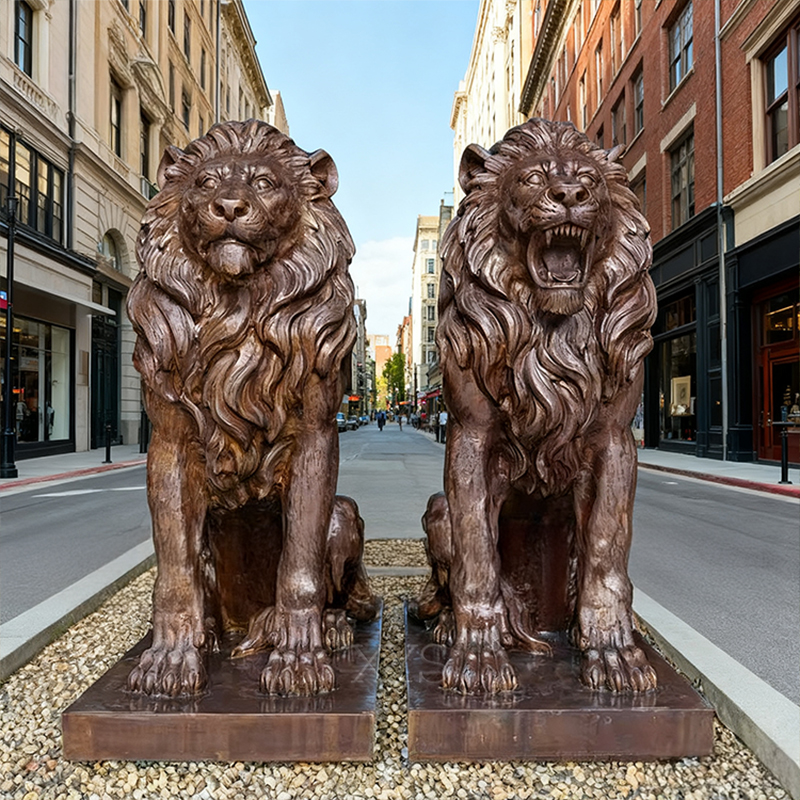 Bronze Sitting Lion Sculpture – Classic Garden Decoration
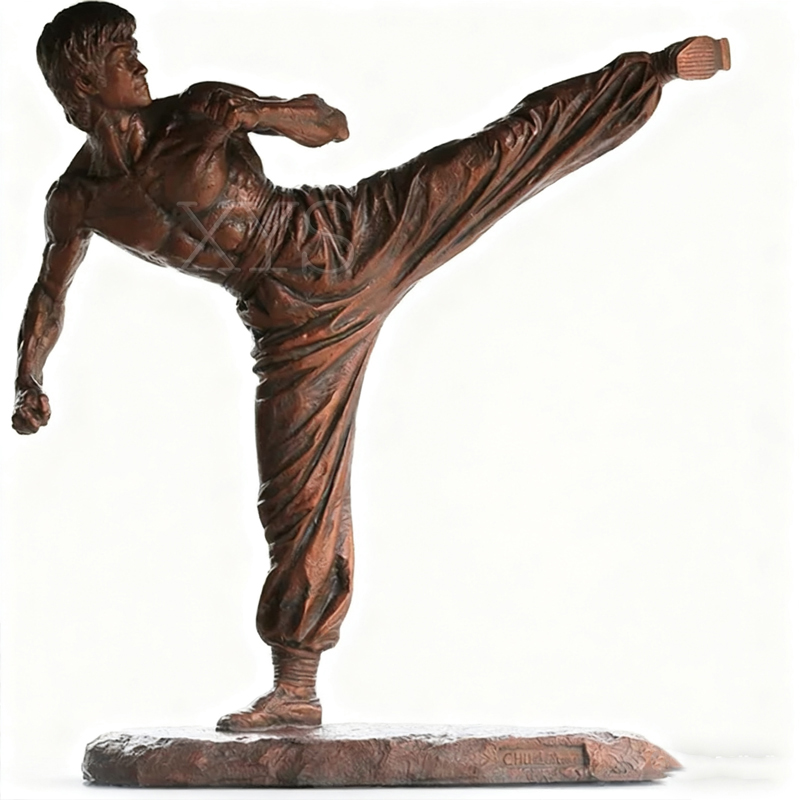 Bronze Life-Size Bruce Lee Martial Arts Sculpture – Outdoor Display
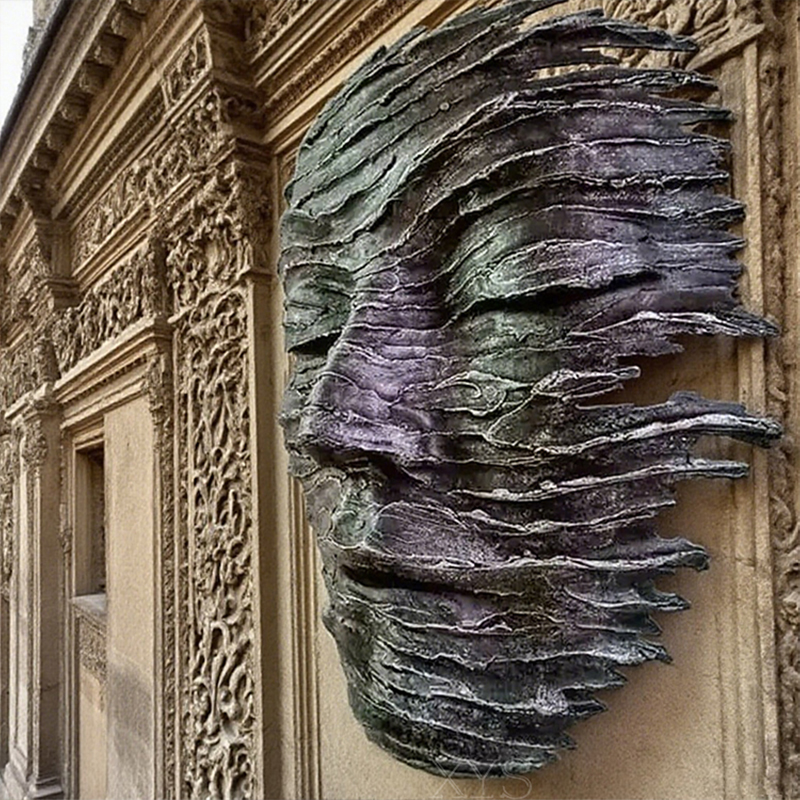 Bronze Abstract Stacked Face Sculpture – Modern Wall Art



Daniel H.

Amanda R.

Robert B.

Jennifer S.

James W.

Barry G.

Michael T.

Emily K.

David L.

Sarah M.


Mikey XV

Jagxue

 English
 Español
 عربى
عربى Français
 italiano
 Deutsch