Standing about a metre and a half tall, Donatello's bronze David is easy to walk past and almost impossible to forget. The boy rests his weight on one leg, one foot planted on the severed head of Goliath, the giant's own sword in his right hand and the stone that felled him still held loosely in his left. Nothing in the pose shouts. There is no triumph and no strain, only a calm, slightly drowsy elegance that had not appeared in sculpture before.
Six hundred years later that composure still fills the room at the Bargello in Florence, and it still shapes the questions our clients ask when they commission a figure of their own. Below we look at what Donatello actually made, how the bronze came out of the foundry, and which of its lessons remain genuinely useful to a patron, designer or curator working today.
Content
Donatello, who lived from about 1386 to 1466, did not approach the subject only once. The marble David of 1408 to 1409 was ordered for the tribune of Florence Cathedral: a clothed, upright, still Gothic figure, carved by a young sculptor with one eye on older models. Judged too light for its high position on the cathedral, it passed to the Signoria and in time came to rest in the same museum as its bronze successor. Setting the two side by side is the quickest way to see how much changed inside a single working life.
| Detail | Marble David | Bronze David |
|---|---|---|
| Date | 1408 to 1409 | About 1440, with some scholars arguing for the 1430s |
| Material | One block of marble | Hollow-cast bronze with gilded details |
| Height | About 191 cm | About 158 cm |
| Dress | Fully clothed in a long robe | Nude apart from boots and a laurel-crowned hat |
| Pose and mood | Upright, frontal, still Gothic | Relaxed contrapposto, weight on the right leg |
| Original setting | Cathedral commission, later the seat of government | Courtyard of the Medici palace |
| Today | Bargello, Florence | Bargello, Florence |
The bronze is usually dated to the 1440s and was probably made for Cosimo de' Medici. By 1469 it was recorded in the courtyard of the Medici palace, and that setting tells you a great deal about how it was meant to be seen: at close range, at eye level, among people rather than looming above them.
The pose is relaxed contrapposto. The right leg carries the weight, the left is bent and slightly forward, the hips shift, and the whole body settles into a soft S curve. The anatomy is smooth and frankly androgynous, which has kept scholars arguing for generations about what Donatello intended. He wears very little: boots, and a shepherd's hat crowned with laurel, with his long hair gathered beneath it. Traces of gilding survive in the hair and footwear, so the original would have flickered with small points of light in a shaded courtyard.
Under the foot lies Goliath's helmeted head, finished with a feather plume and a tiny frieze of putti, a detail that rewards a step closer. Look also at the hands: the stone is held casually, as though it were a pebble picked up on a walk. This is generally described as the first freestanding nude of a male figure since antiquity, and it was made as a private object for a domestic courtyard rather than a public monument, which explains much of its intimacy.
What visitors rarely think about is wall thickness. A hollow bronze of this size, cast in sections, joined with seams that almost vanish, then chased and finished by hand, is a serious foundry achievement for any century. The lost-wax method was the only practical route: a wax model, investment in a heat-resistant shell, burnout, the pour, and then many hours of cold work with files, abrasives and patina.
Our breakdown of the bronze David's casting history and technique goes deeper into those steps, including the questions worth asking about wall thickness and chasing before you sign off on a figurative bronze. The short version is that the surface you admire is largely the work of the chaser rather than the mould.
That same sequence, wax, shell, pour, chase, still governs every figurative bronze we produce. It is the difference between a figure that reads as modelled by hand and one that reads as copied from a photograph.
 Bronze Nude Male Sculpture for Waterfront LandmarksA 2 m figurative bronze for outdoor public art, capturing a forward-leaning male figure against the wind and suited to waterfront landmark display.View Product →
Working from a six-hundred-year-old object is not about copying it. It is about inheriting decisions that still hold up under scrutiny.
Most commissions that begin with this subject divide quickly by material, because each one answers a different question about place, budget and maintenance.
| Material | What it gives you | Where it works best |
|---|---|---|
| Cast bronze | Fine detail, warm dark patina, optional gilding | Interiors, courtyards, fountains; needs periodic waxing outdoors |
| Marble | Crisp edges, visual weight, classical association | Gardens, entrance halls, memorial settings |
| Stainless steel | Mirror or brushed finish, weather resistance, easy scaling | Plazas, campuses, commercial frontages |
| Fiberglass | Light weight, lower cost, colour-fast paint | Touring exhibitions, indoor displays, temporary events |
A hand-carved marble figure carries the classical association of the Bargello's other David and will hold its edges outdoors for generations; the piece below shows the level of hand finishing we aim for on a life-size body.
 Hand-Carved White Marble Bust with SneakersA hand-finished marble sculpture pairing a classical bust with contemporary sneaker details, made as a focal piece for art spaces and trendy interiors.View Product →
For a campus or a public square that wants a recognisably David-like figure without a bronze maintenance schedule, a polished stainless piece is often the better answer, and it can be engineered for wind load from the start.
 Mirror Stainless Steel David Replica for Public SpacesA weatherproof 1:1 David replica in mirror-finish 304 stainless steel, offering a low-maintenance landmark option for campuses, plazas, galleries, and clubs.View Product →
Fiberglass, meanwhile, remains the sensible choice when a figure has to travel or when the budget has to cover a whole exhibition rather than one hero piece.
Every commission follows the same spine, from sketch and maquette through mould making, finishing and installation, and our studio process page sets it out step by step so you know what to expect at each stage.
If you can, go and see the original. Stand close enough to notice the gilding in the hair and the putti on the helmet, and the scale stops being a number on a label and becomes a feeling about where a figure belongs. That is the useful thing to carry into a new commission: not the shape of a Renaissance boy, but the confidence to keep a composition quiet and let proportion do the work.
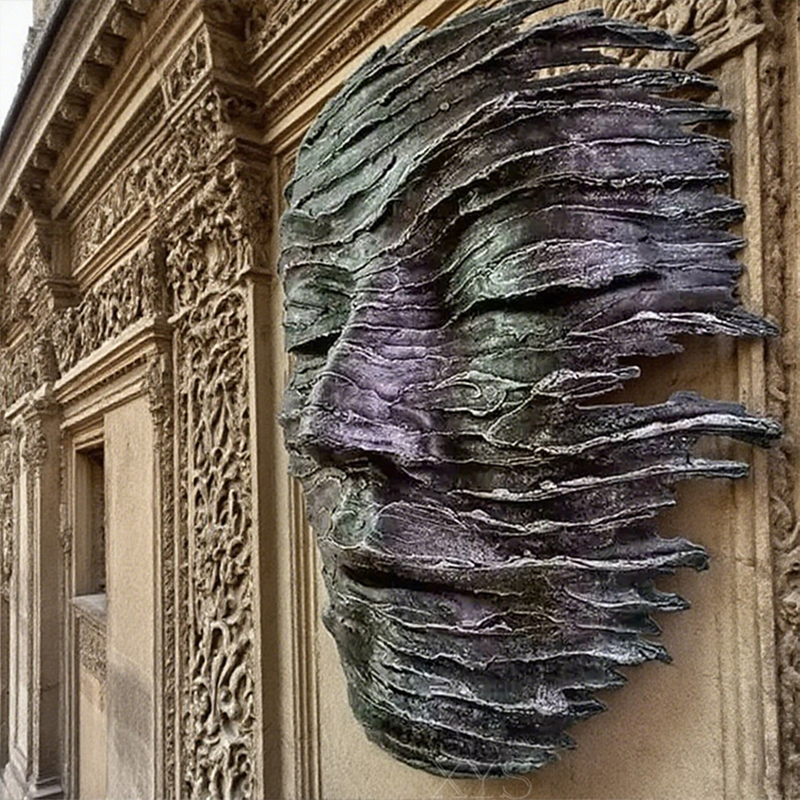 Bronze Abstract Stacked Face Sculpture – Modern Wall Art
 Bronze Parent-Child Reading Sculpture – Modern Artistic Design
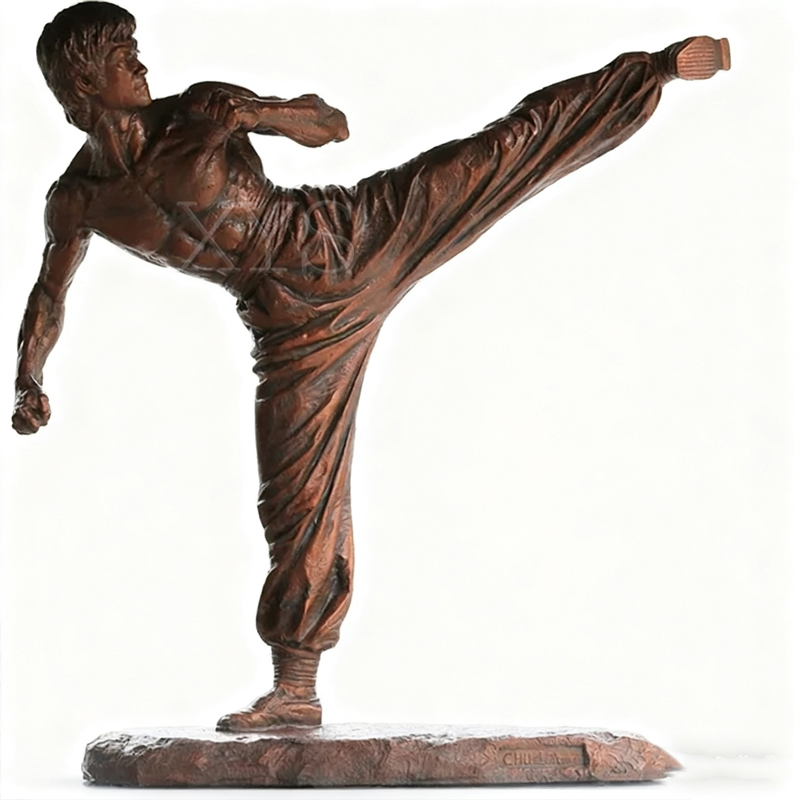 Bronze Life-Size Bruce Lee Martial Arts Sculpture – Outdoor Display
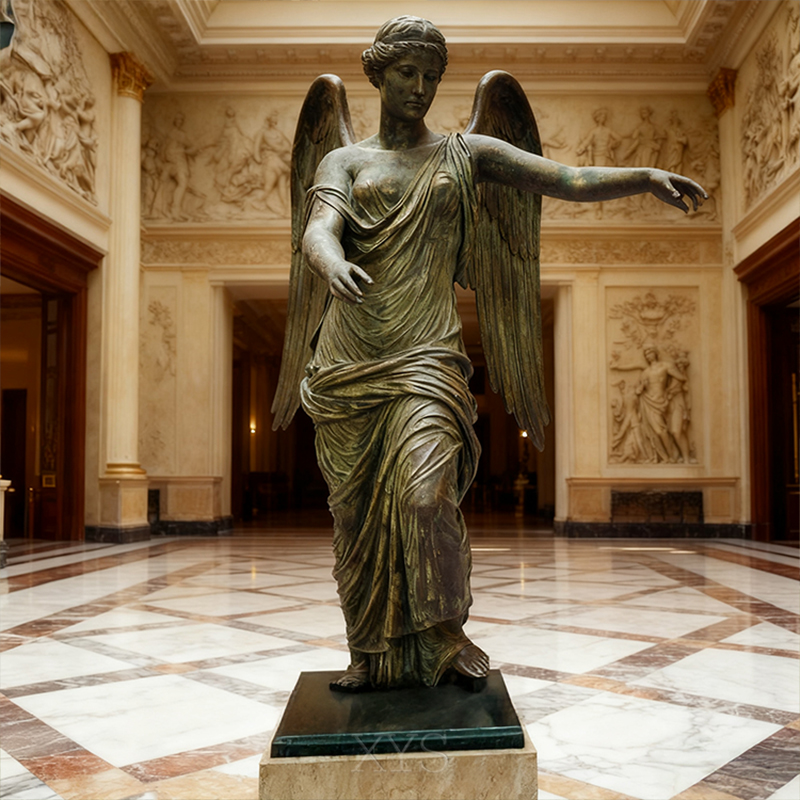 Bronze Indoor Winged Nike Goddess Sculpture
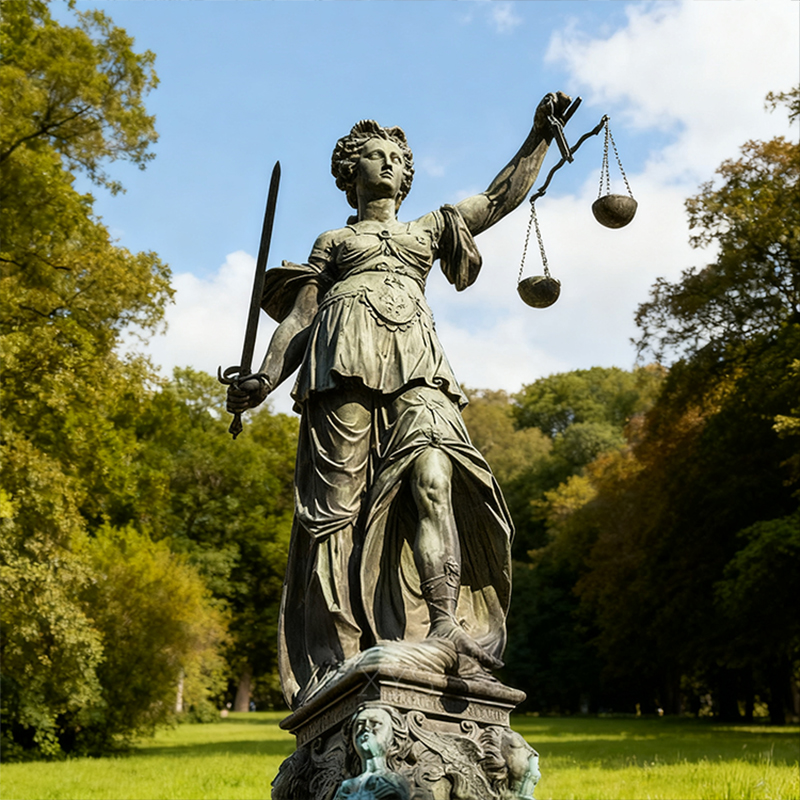 Bronze Libra Lady Justice Sculpture – Metal Model
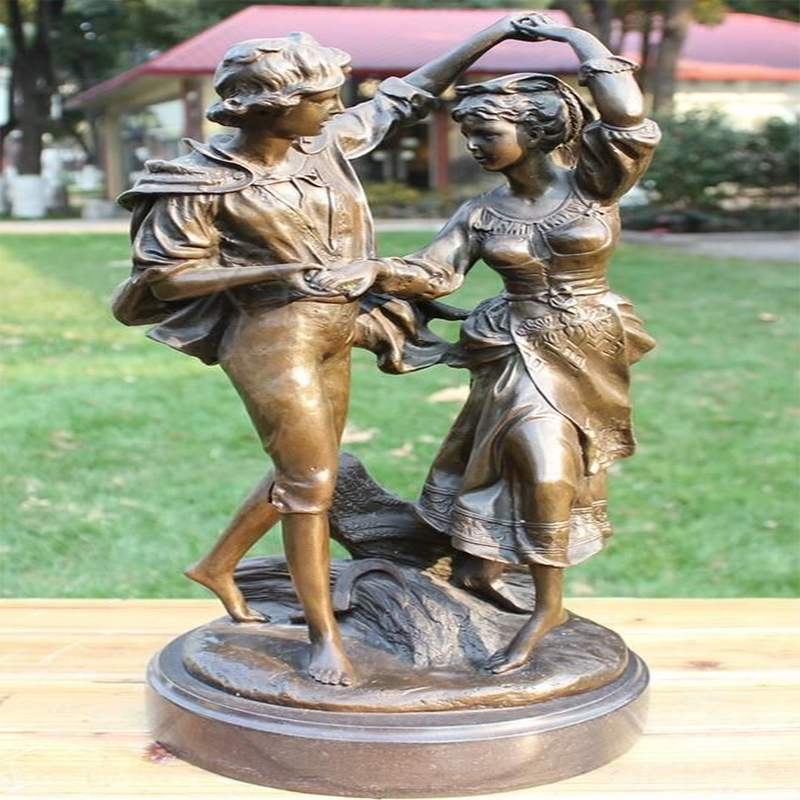 Bronze Life-Size Dancing Couple Sculpture – Heart Figure for Park Decoration



Daniel H.

Amanda R.

Robert B.

Jennifer S.

James W.

Barry G.

Michael T.

Emily K.

David L.

Sarah M.


Mikey XV

Jagxue

 English
 Español
 عربى
 Français
 italiano
 Deutsch