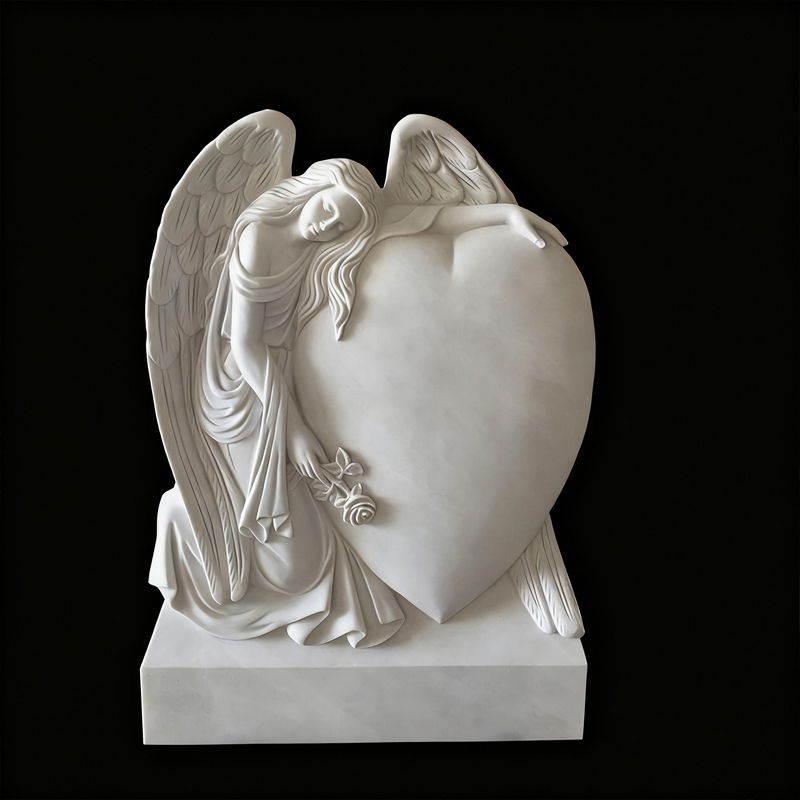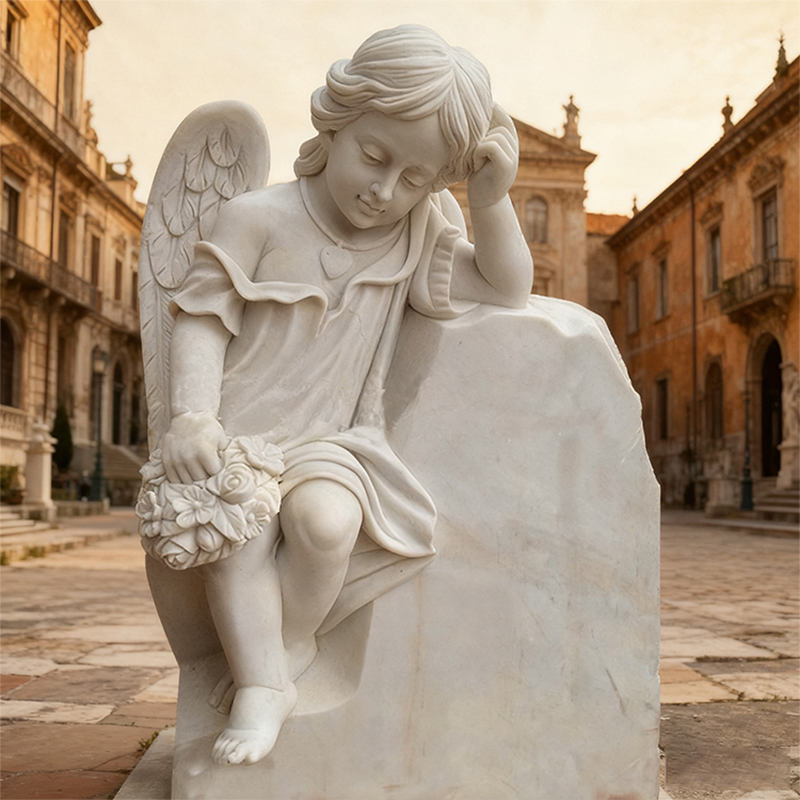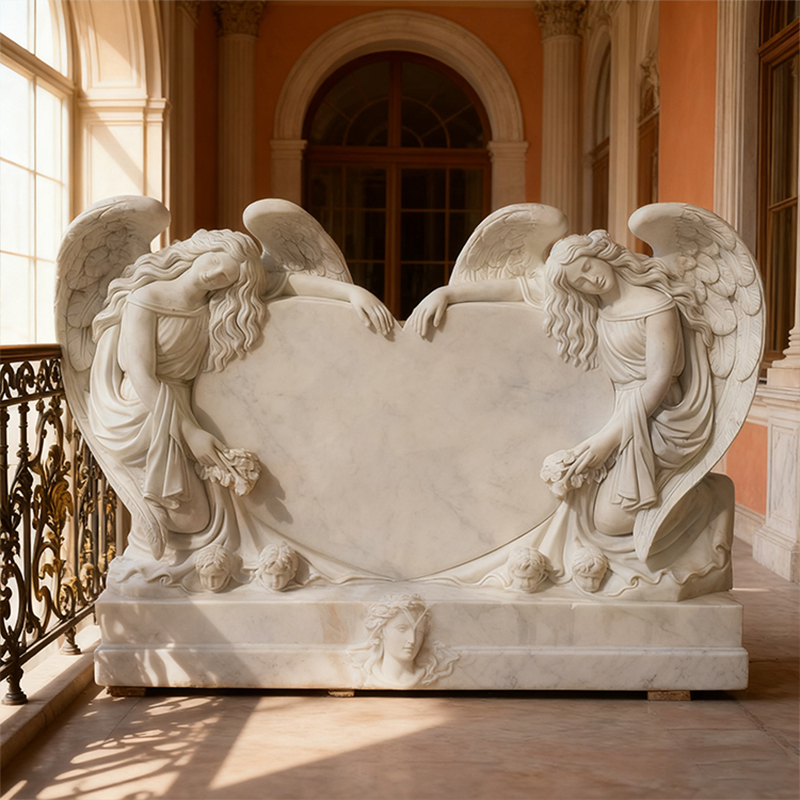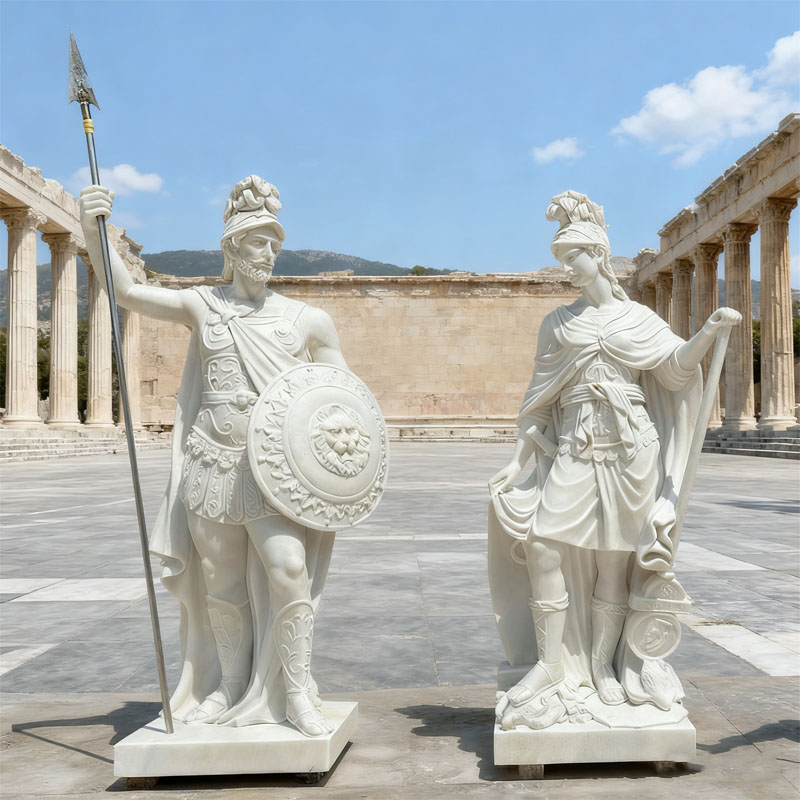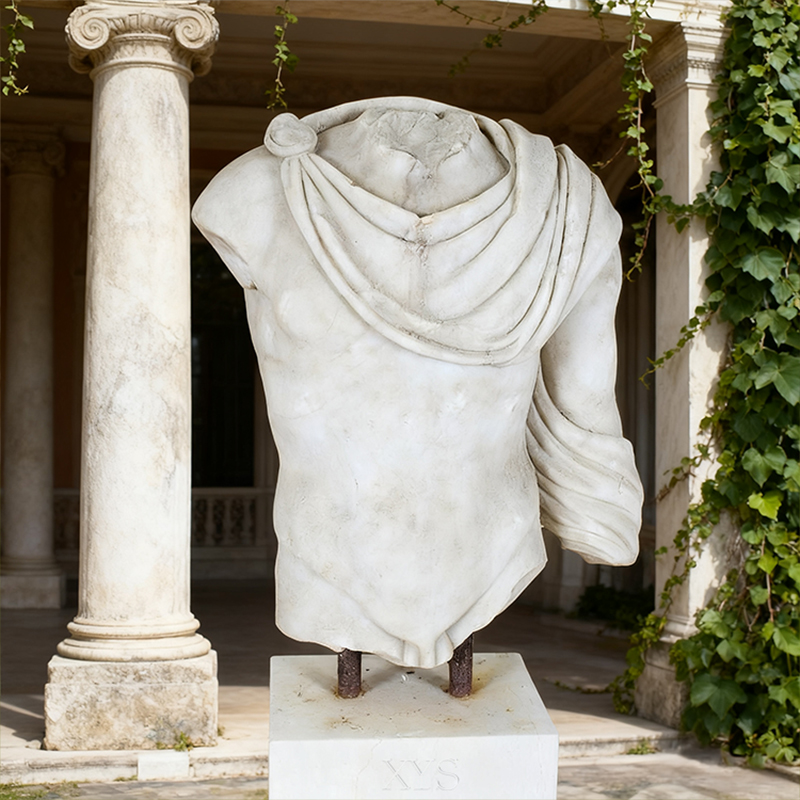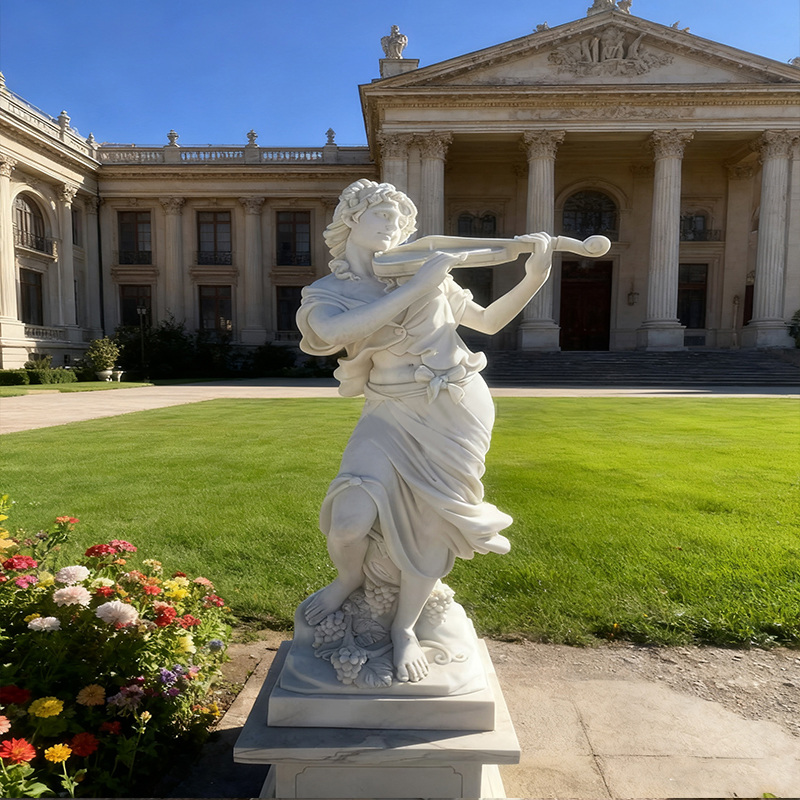
Marble human sculptures occupy a singular position in the history of art — they are among the oldest surviving expressions of human creativity, yet they continue to evolve in the hands of contemporary sculptors who challenge, reinterpret, and expand what figurative stone carving can communicate. From the idealized athletes of ancient Greece to the fragmented, conceptually charged figures of twenty-first-century studios, marble human sculptures have never been purely historical artifacts. They are living art forms, continuously shaped by the tension between inherited technique and original vision. Understanding how tradition and modernity fuse within this medium requires examining both the material itself and the evolving intentions of the artists who choose to work with it.
Content
Marble's dominance in figurative sculpture is not accidental. The stone possesses a unique combination of physical properties that make it exceptionally well suited to rendering the human body. Its translucency — light penetrates several millimeters beneath the polished surface before reflecting back — creates a visual warmth that no synthetic material fully replicates. This quality gives marble skin a living depth that flat, opaque materials cannot achieve, which is why sculptors from Phidias to Michelangelo to contemporary carvers consistently return to it when the human figure is their subject.
From a structural perspective, marble's medium hardness — rating between 3 and 4 on the Mohs scale — allows fine detail carving, including the rendering of hair, fabric folds, eyelids, and fingernails, while being hard enough to survive for centuries when properly maintained. The most prized carving marbles — Carrara Statuario from Italy, Pentelic from Greece, and Makrana from India — have crystal structures fine enough to hold edges at sub-millimeter precision, enabling the kind of anatomical detail that defines masterwork figurative sculpture.
Contemporary sculptors value marble not despite its associations with antiquity but partly because of them. Working in marble invites dialogue with the entire history of figurative art. Every new human figure carved from a marble block exists in implicit conversation with the Venus de Milo, Michelangelo's David, and Bernini's Apollo and Daphne — and skilled artists use that conversation deliberately, either honoring the tradition or subverting it to create meaning that would not be possible in a neutral medium.
The core techniques used to carve marble human sculptures have remained remarkably stable across millennia. Ancient Greek sculptors employed point chisels, flat chisels, and toothed chisels in a progression from roughing out the block to refining surface detail — the same sequence used in contemporary stone carving studios today. The point chisel removes large volumes of stone rapidly by concentrating force at a single tip. The toothed chisel refines the surface with controlled parallel striations. The flat chisel sharpens edges and defines final contours. Rasps and abrasive stones — now frequently replaced by diamond-grit papers and pneumatic tools — bring surfaces to their final finish.
One classical technique that remains foundational in both traditional reproduction and contemporary practice is the pointing machine — a three-dimensional coordinate transfer device that allows sculptors to accurately scale and copy a clay or plaster maquette into marble. The pointing machine works by establishing fixed reference points on the model and transferring their exact spatial coordinates to the stone block, guiding the carver to the precise depth at each location. This method, refined during the Renaissance and widely used through the nineteenth century, is still employed today both for producing high-fidelity copies of classical works and for translating complex contemporary maquettes into stone with geometric accuracy.
Modern CNC milling technology has partially supplanted the pointing machine for rough-stage material removal, allowing robotic arms to pre-carve a marble block to within a few millimeters of the final form based on digital 3D scans. However, the final surface refinement — the stage at which the sculpture acquires its visual and tactile identity — remains handwork in every serious figurative marble practice. No machine has yet reproduced the sculptural judgment that an experienced carver exercises in those final hours of work on a face or hand.
The most compelling contemporary marble human sculptures are not those that simply replicate classical models with technical proficiency — they are works that use the classical language of figurative carving to say something new about identity, the body, time, or materiality. Several distinct approaches characterize how modern sculptors are expanding the tradition.
These approaches are not rejections of tradition — they are expansions of it. The power of contemporary marble human sculptures derives precisely from the depth of the tradition they work within and against. A fragmented marble torso means something different from a fragmented resin torso because marble carries the accumulated weight of centuries of figurative carving in its very material identity.
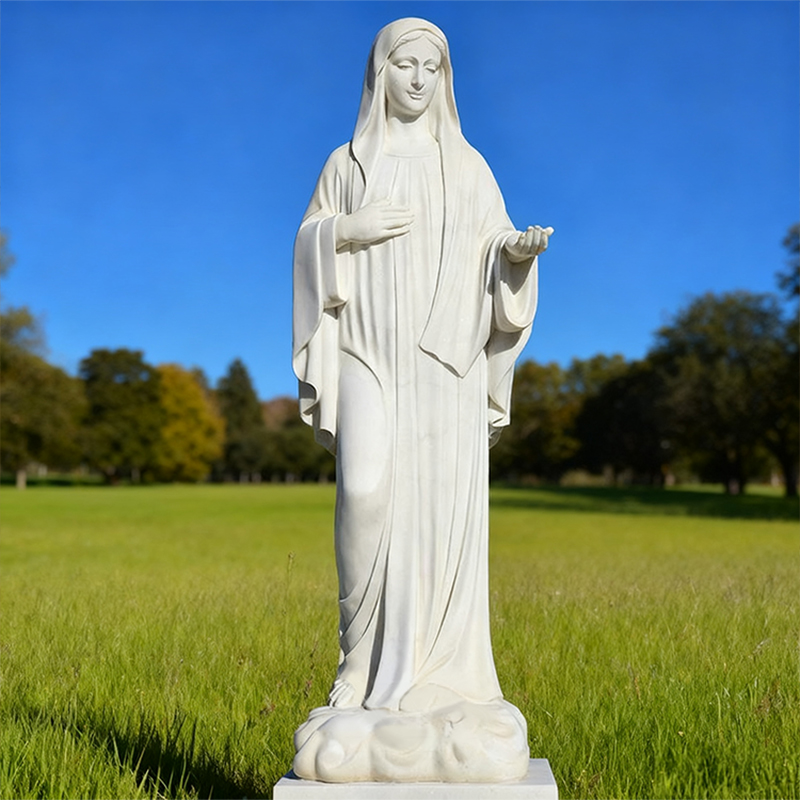
The choice of marble variety profoundly affects the visual and emotional character of a finished human sculpture. Classical Greek and Renaissance sculptors worked primarily in white or near-white marbles because their fine crystal structure supports the highest surface resolution and their color most closely approximates idealized human skin under natural light. Contemporary sculptors, freed from academic convention, work across a much broader range of marble colors and patterns — and the choice is integral to the work's meaning.
| Marble Variety | Origin | Visual Character | Typical Sculptural Use |
|---|---|---|---|
| Carrara Statuario | Italy | Pure white, fine grain, high translucency | Classical figurative work, portrait busts |
| Nero Marquina | Spain | Deep black with white veining | Contemporary figures, high-contrast statements |
| Rosso Verona | Italy | Warm red-pink with fossil inclusions | Emotionally charged figurative works |
| Makrana White | India | Bright white, medium grain, durable | Outdoor sculptures, large-scale figures |
| Verde Guatemala | Guatemala | Deep green with black and white veining | Abstract figurative hybrids, installation work |
A human figure carved in Nero Marquina black marble communicates an entirely different emotional register than the same figure in Carrara white, even with identical formal qualities. The black surface absorbs light rather than transmitting it, giving the figure a sense of solidity, weight, and opacity — psychological qualities as much as physical ones. Contemporary sculptors who select colored or dramatically veined marbles are making content decisions, not merely aesthetic ones.
The traditional contexts for marble human sculpture — temple pediments, public squares, palace interiors, and church settings — have expanded dramatically in the contemporary world. Today, marble figurative works inhabit a far broader range of environments, and the relationship between sculpture and setting is itself a critical dimension of meaning and reception.
In high-end residential interiors, marble human sculptures function as anchors of cultural identity and aesthetic seriousness. A figurative marble torso placed in a contemporary minimalist room creates productive tension between the ancient and the modern — the handmade and the machine-finished, the organic and the geometric. Interior designers increasingly specify custom-carved marble figures as focal points in entry halls, living spaces, and garden rooms precisely because of this dialogue between material history and contemporary context.
In public and institutional settings, contemporary marble human sculptures continue to serve commemorative and civic functions — but with a more self-conscious awareness of whose bodies and stories are being memorialized. Recent public commissions across Europe and North America have increasingly commissioned marble figurative works representing women, people of color, and working-class subjects, using the historically elite medium of marble figuration to assert the monumental significance of previously marginalized lives. The material choice is deliberate: by placing these subjects in marble — the medium of emperors and saints — artists and commissioners make a statement about historical equity and collective memory that no other material carries with equal force.
Gallery and museum exhibitions of marble human sculpture present yet another contextual register, where the work exists in direct dialogue with art history and critical discourse. In these settings, contemporary marble figures are evaluated not only as objects but as arguments — about the body, representation, craft, and the ongoing relevance of material traditions in a digital age. The marble human sculpture, in this context, is both a physical object of extraordinary craft complexity and a philosophical position about what it means to make things by hand from the earth itself.
The longevity of marble human sculptures — whether classical originals or contemporary works — depends on informed maintenance practices appropriate to their placement environment. Marble is calcium carbonate, which means it is vulnerable to acid attack from rain, atmospheric pollution, cleaning products, and even skin contact. Proper care preserves both the physical integrity and the surface quality of figurative marble works across generations.
Marble human sculptures that receive attentive care can outlast virtually any other art medium. The survival of Greek and Roman marble figures across two millennia — even in fragmentary form — testifies to the material's extraordinary durability when properly protected. Contemporary collectors and institutions who invest in marble figurative works are, in a very real sense, participating in a custodial tradition that stretches back to antiquity and forward, potentially, for centuries yet to come.



Daniel H.

Amanda R.

Robert B.

Jennifer S.

James W.

Barry G.

Michael T.

Emily K.

David L.

Sarah M.


Mikey XV

Jagxue

 English
 Español
 عربى
عربى Français
 italiano
 Deutsch