Content
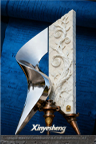
A newly completed custom brass relief has left the Xinyesheng Sculpture workshop for a private client in the United States. The piece is a rectangular commemorative plaque with an oval portrait relief set into the upper left, a carefully lettered inscription running down the right side, and a framed border around the full panel. The production video follows the work from a blank digital slab through ceramic shell casting, metal finishing, and hand surface treatment to a warm, antique-toned brass plaque ready to be mounted on a wall.
Portrait reliefs and inscribed plaques are among the most personal commissions in sculpture. They are made to honor a specific person, and the likeness, the lettering, and the surface character all need to feel right to the family or organization that ordered them. That is why every stage of this project was reviewed against the client's reference material before the piece moved on.
The video opens in the digital sculpting software with nothing more than a flat rectangular slab. From this starting point, the design team builds up the plaque in layers: the raised frame, the recessed oval that holds the portrait, the modeled likeness itself, and the lettering that carries the inscription.
Working digitally lets the team control relief depth precisely. A portrait in low relief has to suggest the form of the face, the shape of the hair, and the line of the shoulders within only a few millimeters of height, so the modeling depends on carefully graded transitions rather than full three-dimensional volume. The client could review the model and request adjustments to the likeness and the text layout before any metal was committed.
Once the digital relief is approved, it is produced as a physical pattern in photocurable resin, the material used in rapid prototyping. In the footage, a technician works over the resin pattern by hand, brushing and cleaning its surface so that the recessed oval, the frame edges, and the lettering are free of residue before the next stage begins.
This preparation step matters more than it looks. Anything left on the pattern surface, whether a film of uncured resin or a trace of cleaning liquid, can transfer into the mold and show up later as a flaw in the cast metal. For a small, finely detailed piece such as a portrait plaque, a clean pattern is the foundation for a clean casting.
The next stage shown in the video is the ceramic shell, the heart of lost-wax style investment casting. Plaque-shaped patterns hang from a support rod system and are dipped repeatedly in ceramic slurry, then coated with fine sand after each dip. Layer by layer, a hard, speckled shell builds up around every surface of the pattern.
When the shell is complete, the pattern material is burned out, leaving a hollow ceramic cavity that holds the exact shape of the plaque, including the portrait modeling and every letter. Molten brass is then poured into this cavity. Because the shell captures such fine detail, investment casting is well suited to relief work where the lettering has to stay crisp and the facial features have to stay soft and natural.
After casting, the raw brass plaque goes to the metal finishing bench. The video shows a craftsman in a welding helmet working over a cast brass panel clamped to the bench, using a welding torch and hand tools to address casting marks and fill any small surface imperfections. Welding repair is a normal part of brass casting, and doing it carefully is what keeps the surrounding relief detail intact.
Once the repairs are blended in, the surface is chased and cleaned by hand. The portrait, the frame, and the inscription are brought up to a consistent level of crispness, so that the finished plaque reads as one continuous piece of metalwork rather than a casting with visible repair points.
The final stage determines how the plaque will look on the wall. The finished piece has a deep, warm antique brass tone, with darker color settled into the recessed areas around the lettering and portrait, and brighter metal left on the raised surfaces. This contrast is what makes the inscription easy to read and gives the portrait its depth.
The color is built up by hand rather than applied as a flat coat. By controlling how much tone stays in the recesses and how much is cleaned back from the high points, the finisher shapes the final appearance of each plaque and keeps the face of the portrait readable from a normal viewing distance.
Brass and bronze have long been the standard materials for commemorative plaques because they last. The metal resists weathering, holds fine lettering sharply for decades, and develops a natural, attractive patina over time rather than simply fading. A brass relief mounted indoors or in a sheltered outdoor location can serve as a permanent record of a person, an achievement, or an institution.
For private clients, brass also offers flexibility in size, format, and mounting. A plaque like this one can hang on a wall, be set into a stone base, or be fixed to a memorial display, and the same casting process scales from a small desktop piece up to large installations.
Xinyesheng Sculpture is a China-based sculpture manufacturer and custom design metal statue supplier with 13 years of experience in sculpture creation. Its R&D and design team has more than a decade of experience and works across stainless steel mirror-finish sculptures, marble works, weathering steel pieces, bronze and brass casting, fiberglass sculpture, and tombstone artistry, integrating design, production, installation, and after-sales service into a single project process.
The brass plaque for the US client reflects that workflow on a personal scale: a digital relief refined against the client's reference, a clean resin pattern, ceramic shell investment casting, careful metal finishing, and a hand-applied antique finish. The same process supports larger commissions reaching public squares, campuses, and memorial sites around the world.
The quality of a custom brass relief depends first on the design. A likeness in low relief only works if the modeled depth is graded carefully, and an inscription only reads well if the letter height, spacing, and border proportions are planned together with the portrait. Most disappointments with finished plaques trace back to decisions made at this stage rather than in the foundry.
The casting and finishing stages then decide whether that design survives into metal. A clean pattern and a well-built ceramic shell protect fine detail. Careful welding repair and hand chasing keep the surface consistent. The final surface treatment brings out the relief by contrasting dark recesses against brighter high points. The portrait plaque made for the US client shows how these stages come together into a lasting, personal piece of metalwork.
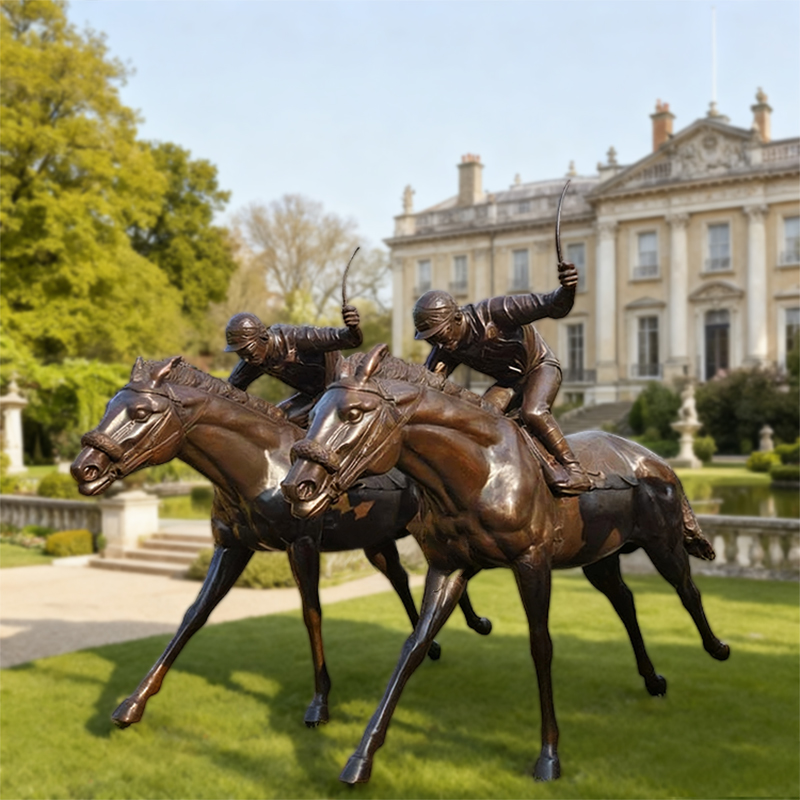 Cast Bronze Horse Racing Sculpture – Equestrian Theme
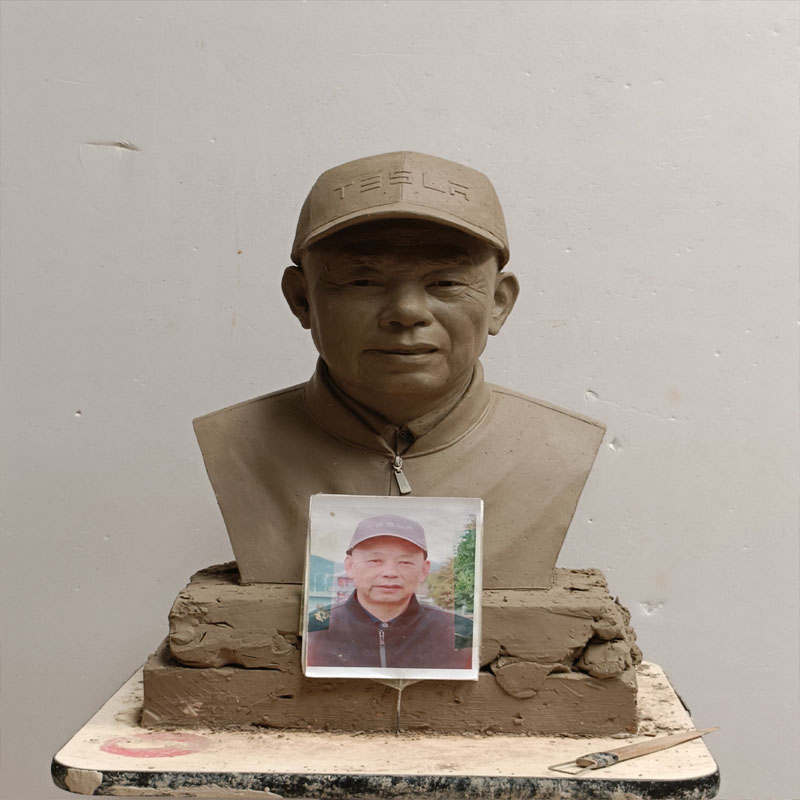 Custom Bronze Portrait Sculpture
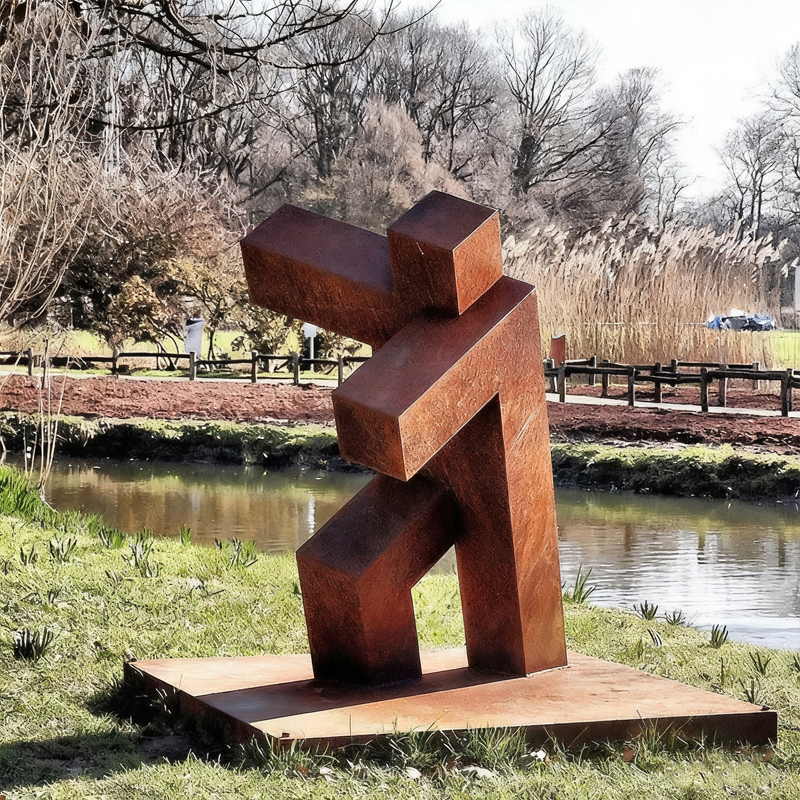 Abstract Weathering Steel Decorative Sculpture
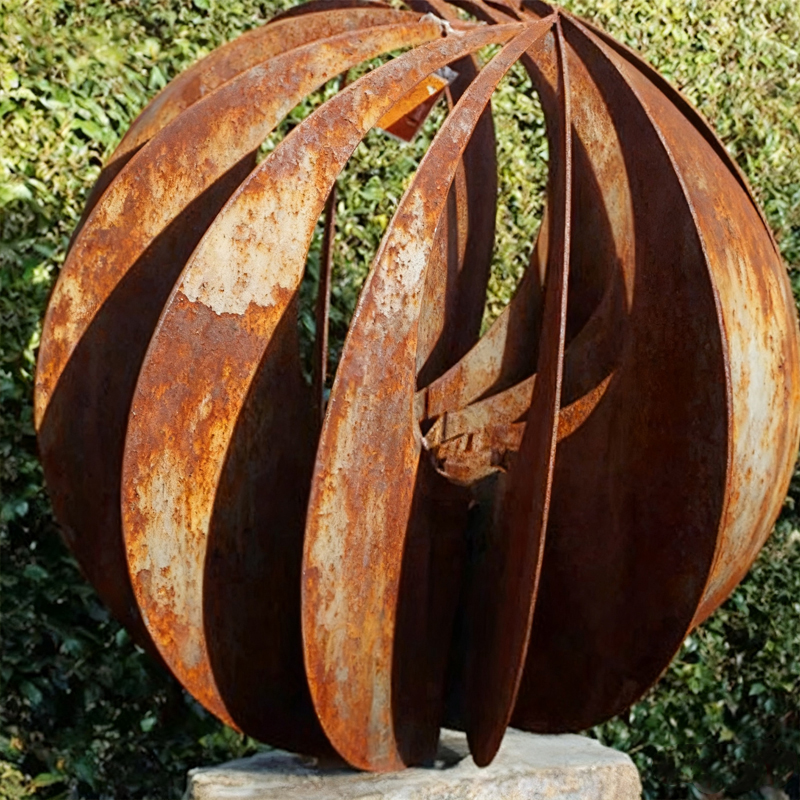 Hollow-Pattern Spherical Weathering Steel Decorative Sculpture
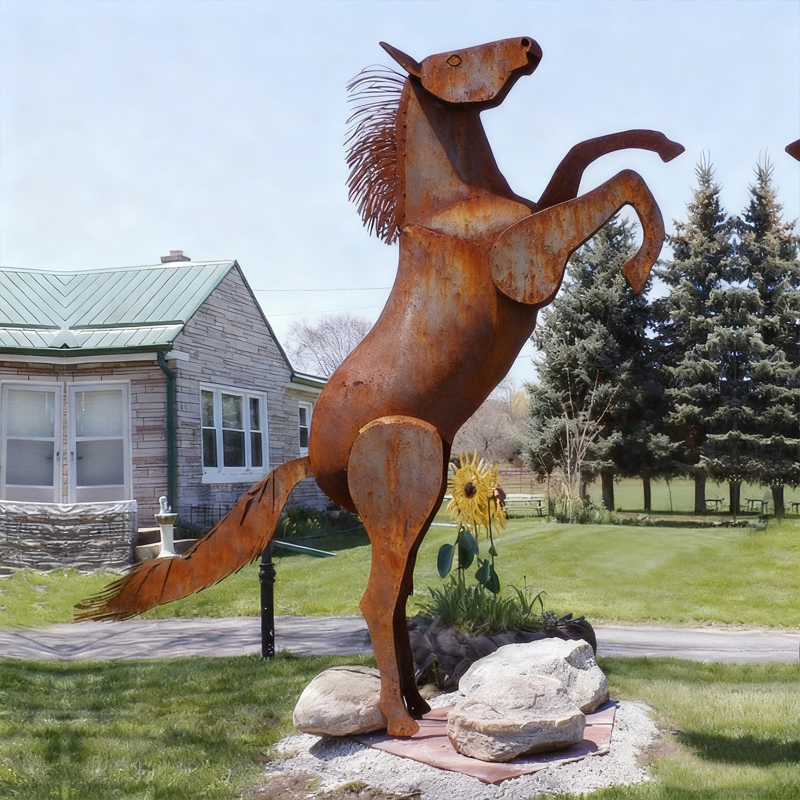 Weathering Steel Galloping Horse Animal Sculpture
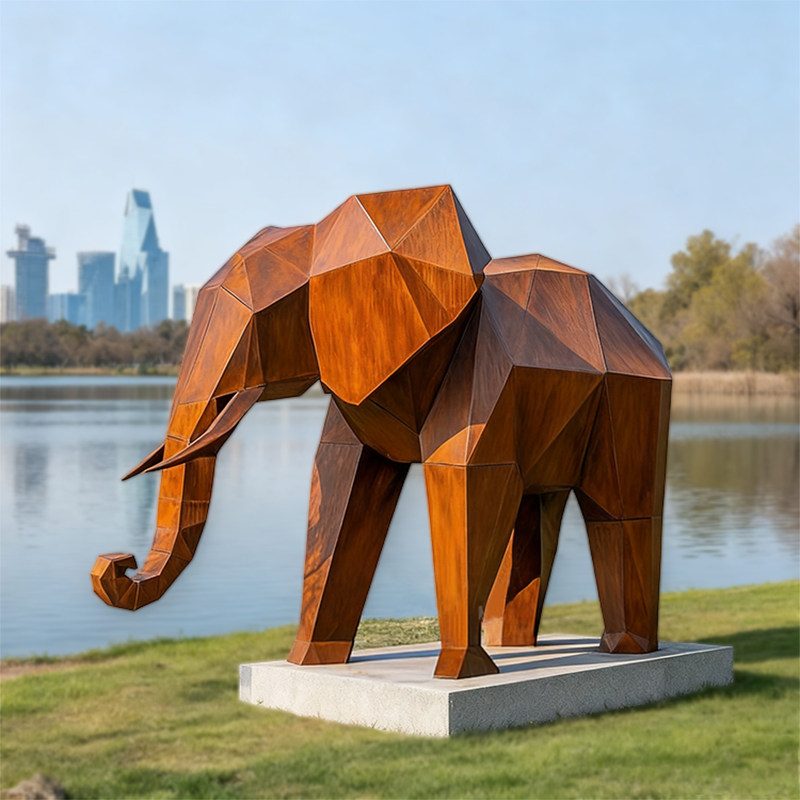 Weathering Steel Faceted Geometric Elephant Animal Sculpture



Daniel H.

Amanda R.

Robert B.

Jennifer S.

James W.

Barry G.

Michael T.

Emily K.

David L.

Sarah M.


Mikey XV

Jagxue

 English
 Español
 عربى
 Français
 italiano
 Deutsch