Content
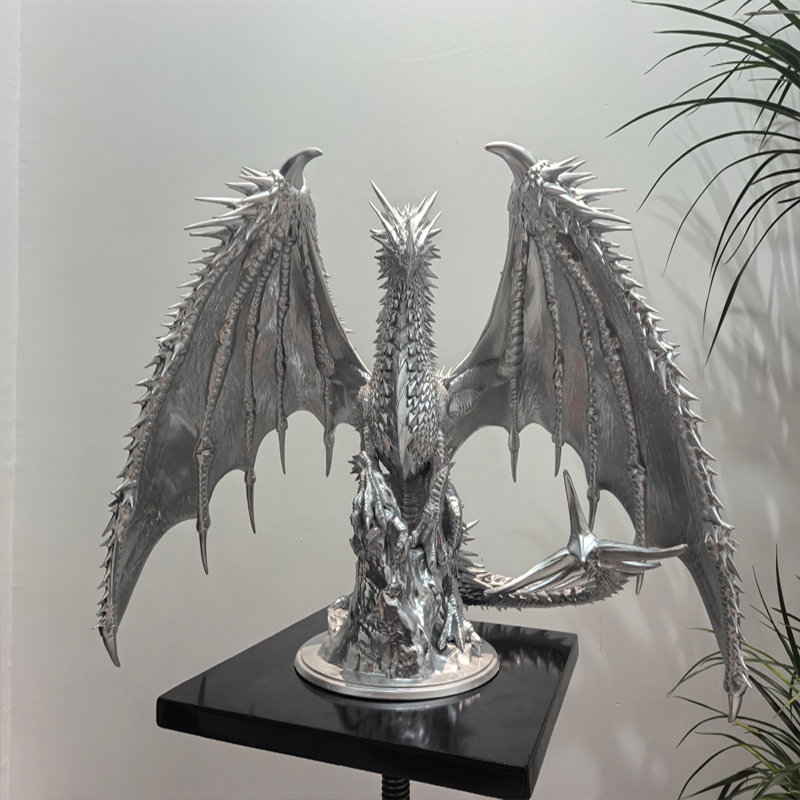
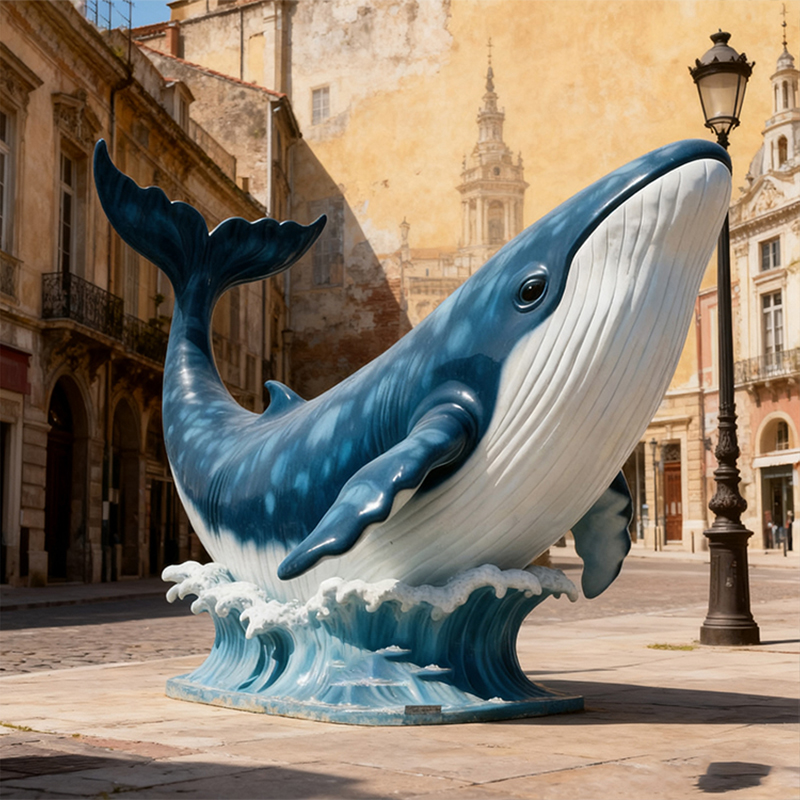
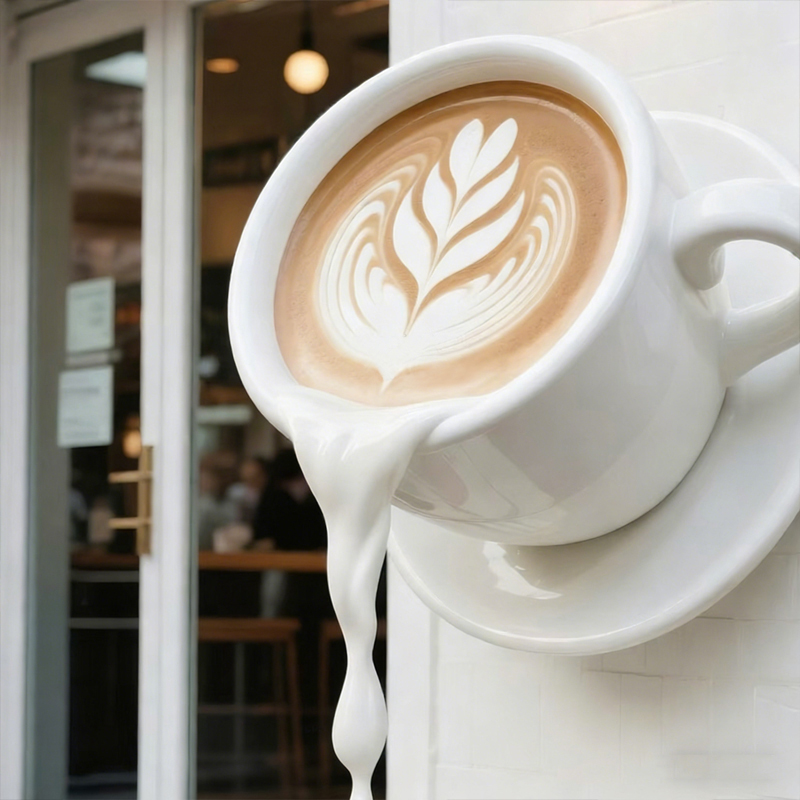
A fiberglass sculpture is a three-dimensional artwork or decorative object constructed using fiberglass-reinforced polymer (FRP) — a composite material made by embedding glass fibers into a resin matrix. The result is a structure that is lightweight, weather-resistant, and capable of replicating virtually any shape, from large-scale public installations to intricate decorative figures.
Unlike traditional sculpture materials such as marble, bronze, or wood, fiberglass can be molded into precise, repeatable forms. This makes it a preferred medium not only for fine artists but also for commercial producers, theme parks, retail brands, and architectural firms seeking durable, cost-effective visual statements.
The core appeal lies in its versatility: fiberglass sculptures can mimic stone, metal, ceramic, or wood finishes — yet weigh a fraction of those materials and withstand outdoor conditions without corroding or cracking.
Understanding what fiberglass sculptures are made of helps clarify why they perform so well across diverse environments. The production typically involves two primary components:
Additional materials applied during or after fabrication include:
The material composition can be adjusted depending on the intended environment. Outdoor sculptures often incorporate UV-stabilized resins and anti-fade pigments, while indoor decorative pieces may prioritize surface smoothness and paintability over weather resistance.
| Material | Role in the Sculpture | Key Benefit |
|---|---|---|
| Glass Fiber (E-glass) | Structural reinforcement | High strength-to-weight ratio |
| Polyester Resin | Binding matrix | Cost-effective, easy to work with |
| Epoxy Resin | Binding matrix (premium) | Superior adhesion and durability |
| Gelcoat | Surface finish layer | Color retention, UV resistance |
| Topcoat / Paint | Decorative exterior | Custom color, metallic or stone effects |
The manufacturing of a fiberglass sculpture typically follows a structured workflow that balances artistic accuracy with structural integrity. While methods vary by workshop and sculpture complexity, the standard process involves these key stages:
The process begins with a master pattern — often sculpted by hand in clay, foam, or wood, or increasingly produced via CNC milling or 3D printing based on digital models. This master defines all surface detail and proportion of the final sculpture. High-detail work (facial features, fur textures, lettering) demands skilled sculptors at this stage, as every imperfection in the master is faithfully transferred to every cast piece.
A multi-part silicone or fiberglass mold is built around the master pattern. The quality of the mold directly determines surface sharpness and dimensional consistency across all production runs. A well-made mold can produce hundreds to thousands of identical casts, making fiberglass ideal for commercial and large-scale projects.
Inside the mold, workers apply gelcoat first, then alternate layers of fiberglass mat or woven cloth with catalyzed resin — a process called hand layup or spray-up. Each layer adds structural strength. Typical laminate thickness ranges from 3 mm to 8 mm depending on the sculpture's size and required load-bearing capacity. For very large or outdoor sculptures, internal steel armatures or foam cores may be added to enhance rigidity.
Once cured (typically 24–48 hours at room temperature), the fiberglass shell is removed from the mold, excess flashing is ground away, and seams between mold sections are sanded smooth. For multi-part sculptures, separate components are bonded together with structural adhesive and fiberglass tape.
The raw sculpture is primed, filled, and finish-painted. Skilled painters apply effects ranging from solid automotive-grade colors to bronze patinas, faux stone, aged rust, metallic chrome, or hand-painted murals. UV-resistant clear coats are applied for outdoor installations. This finishing stage often accounts for 30–50% of total production time on high-detail work.
Fiberglass sculptures are often compared to traditional alternatives. Each material has distinct trade-offs, and the right choice depends on project scale, budget, environment, and aesthetic requirements.
For projects requiring production of multiple identical units, large-format outdoor displays, or budget-conscious fine art reproduction, fiberglass consistently offers the best balance of performance and economics.
The application range for fiberglass sculptures is broad, spanning both artistic and commercial contexts:
Several properties make fiberglass a standout choice for both artists and commercial buyers:
Quality varies significantly between manufacturers. When evaluating fiberglass sculptures for purchase or commission, consider the following criteria:
Choosing a manufacturer with verifiable project history, transparent material specifications, and in-house finishing capability significantly reduces the risk of receiving underperforming product — particularly important for high-visibility commercial installations.



Daniel H.

Amanda R.

Robert B.

Jennifer S.

James W.

Barry G.

Michael T.

Emily K.

David L.

Sarah M.


Mikey XV

Jagxue

 English
 Español
 عربى
عربى Français
 italiano
 Deutsch