Relief sculpture has a way of confusing even experienced designers. You look at a carved panel, and the figures seem to rise from the stone. You look at another, and they seem pressed into it. Both are called relief. Both can tell a story across a wall, a frieze, or a memorial. Yet bas relief and sunken relief work in opposite directions, and that difference changes everything from lighting to material choice to how a viewer reads the surface.
We have spent more than a decade carving, casting, and finishing sculpture for public spaces, religious sites, and private collections. In that time, the question of bas relief versus sunken relief comes up often. Here is a practical guide to what separates them, when each one shines, and how to choose for your own project.
Content
Both forms belong to the relief family, which means the sculpture stays attached to a background instead of standing free. The sculptor does not create a fully three-dimensional object. Instead, the composition is meant to be seen from one main direction, usually the front. The difference between bas relief and sunken relief lies in where the sculptor removes material and where the original surface remains.
In bas relief, also called low relief or basso-relievo, the figures project slightly from the background. The sculptor carves the background away, leaving the subject raised above the surrounding plane. The projection is shallow, often only a few millimeters to a few centimeters, depending on the scale. A coin is a familiar example. So are the Parthenon frieze, Roman triumphal arches, and the bronze doors of the Florence Baptistery.
Because the figures sit above the surface, bas relief catches light in a direct and readable way. The raised edges create shadows that define form. Under strong side lighting, the whole panel seems to breathe.
 Ancient Greek-Style Warrior and Deity Marble Double-Figure SculptureLarge detailed natural marble double figure suited to neoclassical courtyards, historical squares, and outdoor display as a solemn focal point.View Product →
Sunken relief, also called incised relief or intaglio relief, reverses that relationship. The original surface of the stone stays as the highest plane, and the sculptor cuts the figures down into it. The outline is carved deeply, and the interior of the figure is modeled within the hollow. Ancient Egyptian temples at Karnak and Luxor use this approach extensively. So did many Indian, Maya, and Aztec carvers.
One reason sunken relief endured in Egypt is practical. The technique does not rely on undercutting or fragile projecting edges. In bright, direct sunlight, the incised lines create strong shadows that make the image visible from a distance. The surface also resists weathering better than a raised relief would.
The table below summarizes the core distinctions. Keep in mind that many historical works blend these categories, and a skilled carver can move between them within a single composition.
| Feature | Bas Relief | Sunken Relief |
|---|---|---|
| Figure position | Raised above the background | Cut below the original surface |
| Background treatment | Background carved away | Background left at original level |
| Projection depth | Shallow but positive | Negative, recessed |
| Light behavior | Needs raking or side light to read form | Works well in direct overhead sunlight |
| Historical strongholds | Greece, Rome, Renaissance Europe | Ancient Egypt, India, Mesoamerica |
| Common materials | Marble, limestone, bronze, wood | Sandstone, limestone, granite, marble |
| Carving direction | Subtractive from background | Subtractive into the figure |
| Best viewing distance | Close to moderate | Moderate to far |
Light is not a minor detail in relief sculpture. It is part of the medium. Bas relief depends on a light source that comes from the side or above at an angle. That raking light throws shadows from the raised edges and gives the figure its volume. If the light is too flat, a bas relief can look like a faint drawing on stone. This is why many bas relief panels are placed where sunlight or architectural lighting will strike them obliquely.
Sunken relief behaves differently. Because the figures are cut into the surface, the deepest lines catch the strongest shadow when light falls directly from above. At noon in an open courtyard, an Egyptian sunken relief reads clearly. In a dim interior with diffuse light, the same panel can almost disappear. Designers who understand this can use sunken relief to create a surface that looks calm and uniform from one angle, then reveals its narrative as the viewer moves.
Viewing distance also matters. Bas relief rewards close inspection. You can see the modeling of a cheek, the fold of a robe, the careful transition from raised figure to background. Sunken relief often works better at a distance, where the carved lines read as bold graphic shapes. A sunken relief on a large wall can be understood from across a plaza, while a bas relief on a small panel is best appreciated within a few steps.
Bas relief has a long and varied history. Mesopotamian carvers used it on stone steles. Greek sculptors brought it to a high point on temple friezes, where figures seem to move in a continuous band. Roman artists used bas relief on sarcophagi and triumphal arches to tell political and mythological stories. In the Renaissance, Lorenzo Ghiberti's bronze doors in Florence showed how low relief could create convincing depth through perspective and overlapping figures.
 Bronze Jesus Christ Resurrection and Ascension Religious SculptureLife-size lost-wax cast bronze figure with spread arms and aged surface, suited to churches, religious landscapes, and art collections.View Product →
Sunken relief is older in some regions and closely tied to specific environments. Ancient Egyptian artists used it for temple walls, royal steles, and tomb decoration. The technique allowed them to cover enormous surfaces with hieroglyphs and figures while keeping the stone structurally sound. In India, carvers used sunken and incised relief on temple walls. Maya and Aztec artists also cut figures into stone surfaces, often combining shallow relief with deep outlines. The method traveled wherever bright sun and hard stone met a need for durable storytelling.
Both techniques are subtractive at heart, but they demand different skills. Bas relief requires the carver to remove background material evenly while building up the figure's projection. Sunken relief requires the carver to cut inward without losing the original surface plane. In stone, the tools are similar: chisels, mallets, rasps, and abrasives. The difference is in the sequence and the tolerances.
Marble is a favorite for bas relief because it holds fine detail and takes a polish that catches light. Limestone and sandstone are more forgiving for large sunken relief panels. Granite is extremely durable but slower to carve, which is why sunken relief has often been used on hard stones where deep undercutting would be difficult. Bronze relief is usually cast from a model and then chased by hand, allowing both raised and incised effects in the same panel.
Our own workshop network in Quyang, China, has spent years working with these materials. We have carved marble human sculptures that combine classical proportions with hand-finished surfaces. The same subtractive mindset applies to relief work: read the stone, plan the depth, and let the light do the rest.
 Life-Size White Marble Human Sculpture with Modern SneakersHand-carved white marble bust merging classical Greek curls with modern sneakers, ideal as a high-contrast focal point for art and luxury spaces.View Product →
If you are planning a relief sculpture, the choice between bas relief and sunken relief should follow the site and the story, not the other way around. Start with these questions.
There is no universal winner. A memorial wall might use sunken relief for durability and a calm reading surface. A garden fountain or a gallery panel might use bas relief to catch evening light and invite a slower look. Some projects combine both, using raised figures for the main subject and incised lines for inscriptions or background patterns.
Understanding bas relief versus sunken relief gives you a clearer vocabulary for commissioning sculpture. It also helps you ask better questions about light, material, and longevity before the first chisel touches stone. Whether you are planning a public monument, a religious panel, or a private garden piece, the right technique will make the story visible for generations.
If you would like to talk through a relief or figure project, our team is glad to share what we have learned. You can reach out here and tell us about the site, the light, and the story you want to tell.
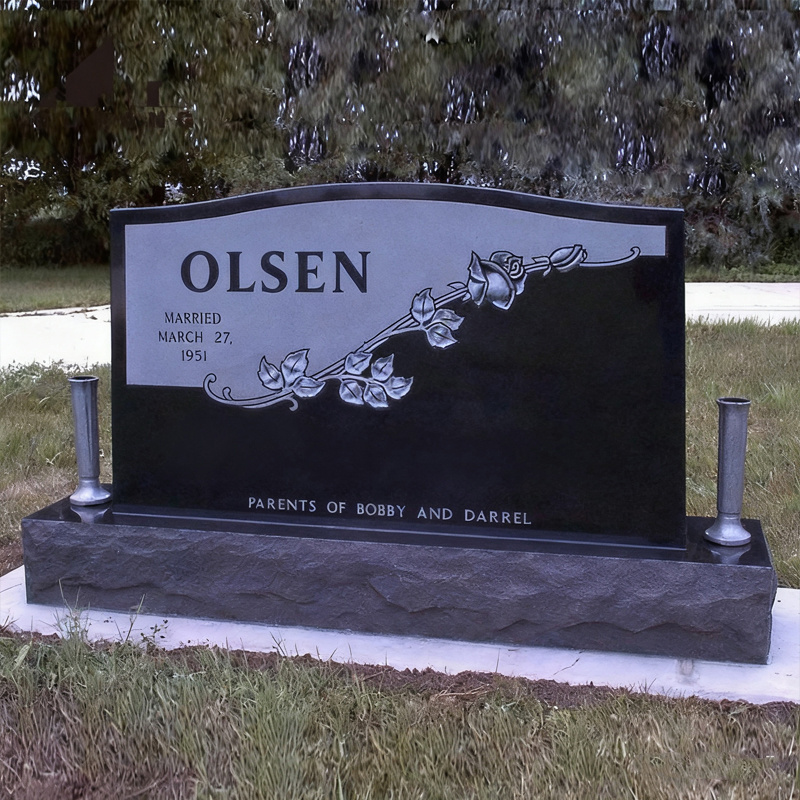 Black-and-White Contrast Rose-Pattern Marble Tombstone
 Tombstone Combining Cross and Angel
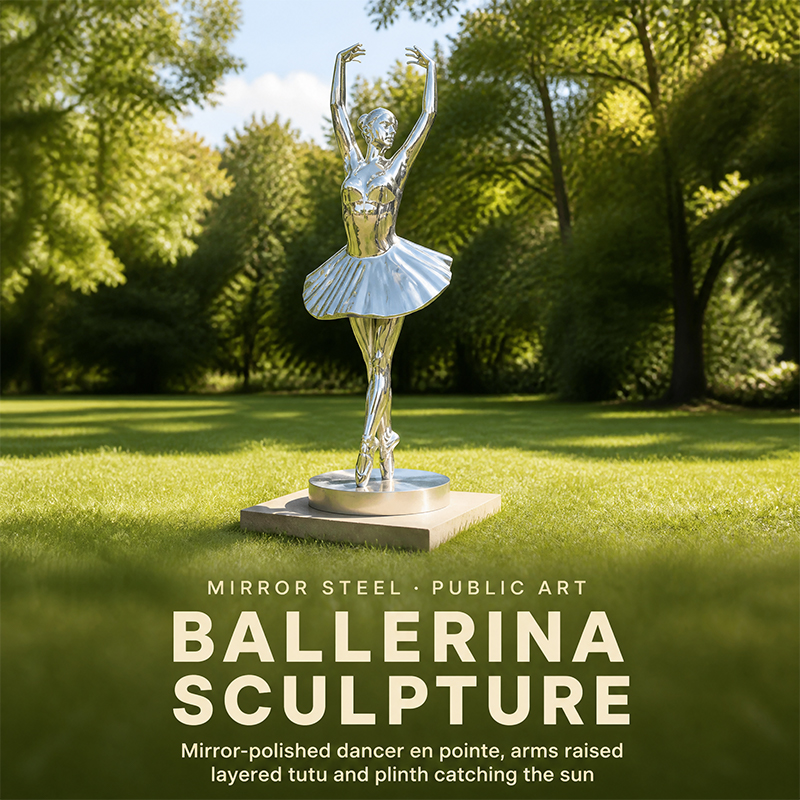 Life-Size Custom Mirror Polished Dancing Woman Stainless Steel Sculpture
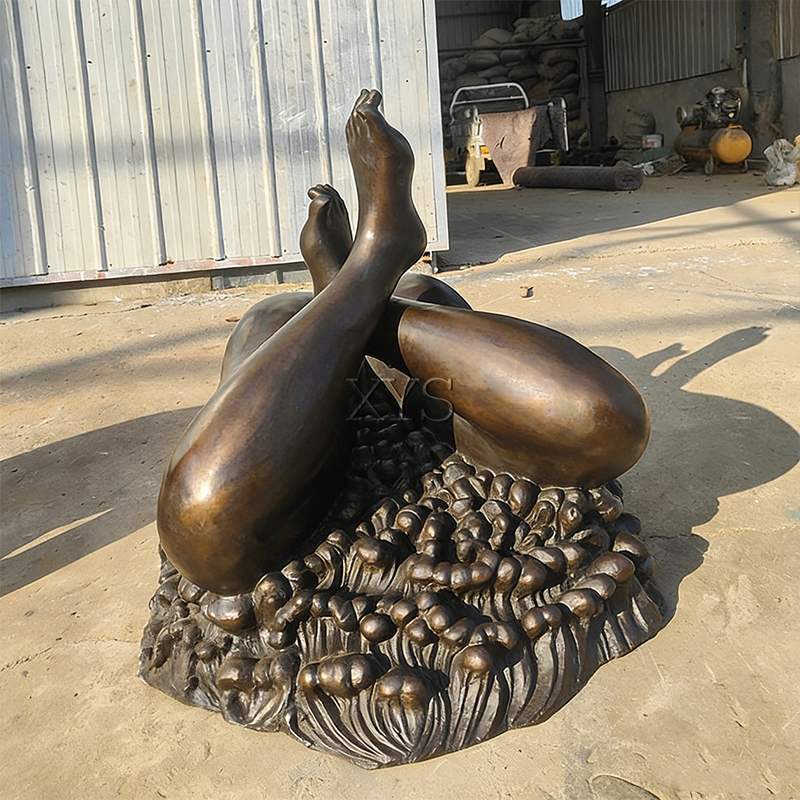 Bronze Figurative Body and Leg Art Sculpture
 Full Throttle Future Mirror Concept Motorcycle Sculpture
 Interwoven Cosmos Abstract Landmark Sculpture



Daniel H.

Amanda R.

Robert B.

Jennifer S.

James W.

Barry G.

Michael T.

Emily K.

David L.

Sarah M.


Mikey XV

Jagxue

 English
 Español
 عربى
 Français
 italiano
 Deutsch